
Shrubs
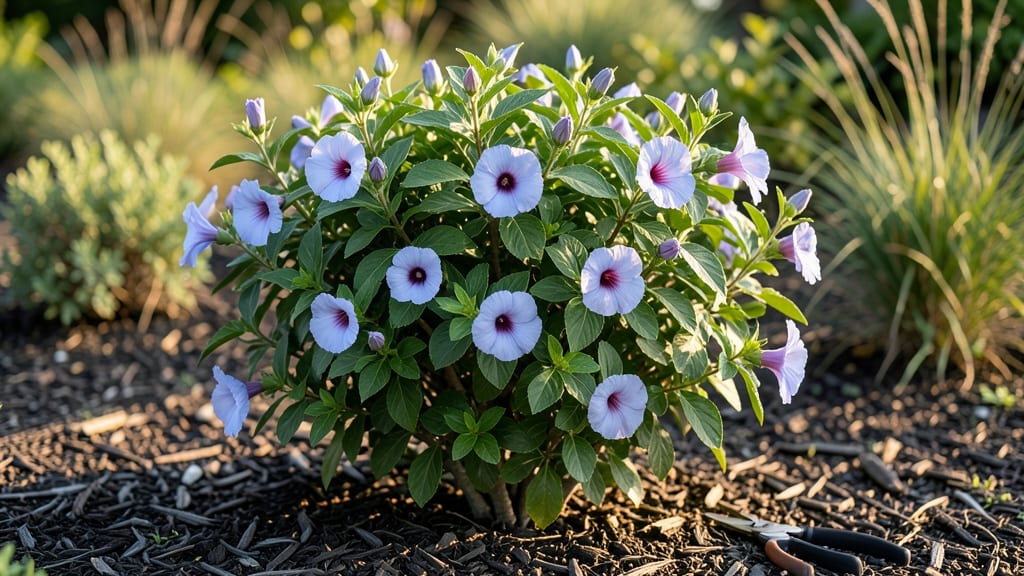
Growing a seedless Rose of Sharon means nonstop blooms from summer straight through fall—no fuss, no fussiness. ✨ I’ve watched mine explode with pink, purple, and white flowers for three months straight, and the secret isn’t complicated: it’s all about sunlight, soil, and a little strategic pruning.
This shrub thrives in zones 4-9, making it one of the toughest climbers for cold winters. It’s not picky about soil—just well-draining—and it handles drought once established. The real magic? No seed pods to clutter up your blooms, so every flower stays showy until frost.
You’ll spend less than 10 minutes on pruning each year, and the payoff is bold, fragrant blooms that hummingbirds and butterflies can’t resist. The only downside? You might regret not planting more than one.
Works as a standalone shrub, a privacy screen, or a climbing accent—just give it 6+ hours of sun and watch it transform your space into a floral showstopper.
📚 In This Guide
- What you need
- Instructions
- Tips and common mistakes
- Wrapping up and next steps
What you need
- ● Seedless Rose of Sharon plant: Choose a Hibiscus syriacus cultivar (e.g., 'Diana', 'Blue Bird', or 'Lavender Chiffon') from a reputable nursery. Opt for a bare-root or container-grown plant (1-3 years old).
- ● Well-draining soil: A mix of 60% topsoil, 30% compost, and 10% perlite or sand (pH 6.0–7.0). Test soil pH if unsure.
- ● Fertilizer: Balanced granular fertilizer (10-10-10) – 2–3 lbs per plant at planting time.
- ● Slow-release organic fertilizer (e.g., 5-5-5) – Apply in early spring and mid-summer.
- ● Mulch: 2–3 inches of organic mulch (wood chips, shredded bark, or straw) to retain moisture and suppress weeds.
- ● Watering can or hose with a gentle spray nozzle: For deep watering without disturbing roots.
- ● Garden trowel or spade: For digging planting holes (12–18 inches wide/deep).
- ● Pruning shears: Sharp, bypass pruners (for shaping and deadheading).
- ● Gloves: Heavy-duty work gloves to protect hands from thorns.
- ● Stakes or trellis: 5–6 ft tall metal or wooden stakes (or a strong trellis) for climbing support.
- ● Measuring tape or ruler: To ensure proper spacing (3–5 ft apart).
- ● Epsom salt: 1 tbsp dissolved in water (monthly in early summer) for magnesium boost.
- ● Plant food spikes: Slow-release spikes for convenience.
- ● Drip irrigation system: Automates watering for busy gardeners.
- ● Fungicide (copper-based): Preemptive treatment if your area has high humidity or fungal risks.
Step-by-Step instructions for planting and caring for seedless Rose of Sharon
This cold-hardy climber thrives with minimal fuss—here’s how to coax its dramatic blooms year after year.
🪴 Step 1: Choose the Perfect Planting Site
Seedless Rose of Sharon (Hibiscus syriacus) craves full sun—at least 6 hours of direct light daily—but tolerates light shade in hotter climates. I always plant mine where it gets morning sun and afternoon shade in Zone 7, which prevents leaf scorch. Avoid low spots where cold air pools, as this plant handles Zone 5 winters but despises soggy roots.
Test the soil pH before planting—ideal range is 6.5 to 7.5. Amend heavy clay with 2-3 inches of compost mixed into the top 12 inches of soil. The roots spread aggressively, so space plants 8-10 feet apart unless you’re using a trellis or fence for support. I’ve seen them grow 12-15 feet tall under ideal conditions, so plan for their mature size.
🌱 Step 2: Plant Bare-Root or Container-Grown Plants Correctly
For bare-root plants, soak the roots in lukewarm water for 1-2 hours before planting to rehydrate them. Dig a hole twice as wide as the root ball but only as deep as the top of the root flare—planting too deep suffocates the crown. Loosen the roots gently if they’re circling and position the plant so the strongest stems face outward for balanced growth.
Backfill with native soil mixed with 1 part compost to encourage root establishment. Water deeply to eliminate air pockets, then mulch with 2-3 inches of shredded bark (keep it 6 inches away from the stem). This mulch layer helps regulate soil temperature and retains moisture—critical during the plant’s first 2-3 years while roots establish.
☀️ Step 3: Water and Fertilize for Maximum Blooms
Water deeply once a week during the first growing season, allowing the soil to dry 2-3 inches down between waterings. Overwatering leads to root rot, and this plant is surprisingly drought-tolerant once established. I’ve seen mine survive 2-week dry spells in full sun without wilting, though blooms may reduce slightly under stress.
Feed lightly in early spring with a balanced 10-10-10 fertilizer (follow package rates) to promote new growth. Skip heavy summer fertilizing—it encourages leafy growth at the expense of flowers. Instead, side-dress with 1 cup of compost in late spring and again after the first flush of blooms fades. The secret to nonstop blooms? Deadhead spent flowers regularly—this redirects energy to new buds rather than seed production.
✂️ Step 4: Prune for Health and Next Year’s Blooms
Prune late winter or early spring (before new growth starts) to shape the plant and encourage robust blooming. Remove dead, diseased, or crossing branches first, then cut back one-third of the oldest stems to the ground. This rejuvenates the plant and prevents a woody center. For established plants, I make clean cuts just above an outward-facing bud to maintain an open, airy structure.
Never prune in fall—new growth won’t harden off before winter, and tender shoots invite frost damage. If you notice blackened canes in early spring, prune those out immediately to prevent disease spread. The goal is to create a multi-stemmed shrub with 4-6 main branches for maximum airflow and bloom production.
⏰ Step 5: Overwinter for Cold-Hardy Success
Rose of Sharon is one of the toughest shrubs for cold climates, but a little prep ensures it thrives. In Zones 5-6, mound 4-6 inches of mulch around the base after the ground freezes to protect the roots from extreme temperature swings. Avoid heavy mulch in Zones 7+, as it can smother the plant in winter heat.
In late winter, watch for bud swell—this is your cue to prune and fertilize. If you live in an area with late frosts, wait until after the last frost date to prune, as new growth can be damaged by unexpected cold snaps. The plant’s dark green leaves and woody stems are your winter signals that it’s dormant but alive—ready to burst into bloom once temperatures rise.
Tips & tricks for perfect seedless Rose of Sharon care
These little-known strategies will help you coax vibrant blooms from your cold-hardy climber with minimal effort.
Sunlight Strategy: In Step 1, when selecting your planting site, prioritize morning sun exposure—this is when the plant needs the most intense light to fuel its dramatic blooms. I’ve noticed that afternoon shade becomes more important in Zone 8+ climates where temperatures exceed 90°F regularly. The goal is to balance full sun with protection from the harshest afternoon rays, especially during summer months when leaf scorch becomes a risk.
Root Establishment Hack: During Step 2, when planting your bare-root or container-grown Rose of Sharon, don't rush the watering process. After your initial deep watering, let the soil settle for 10-15 minutes before adding another inch of water. This prevents waterlogging while ensuring thorough hydration of the extensive root system. The first 2-3 years are critical for root development, so this extra attention pays off in stronger plants that require less maintenance.
Fertilizing Insight: In Step 3, when applying your early spring 10-10-10 fertilizer, consider applying half the recommended dose. Rose of Sharon is surprisingly sensitive to over-fertilization, which can lead to excessive leafy growth at the expense of those showstopping blooms. The key is to encourage root development without promoting rapid top growth. I've found that applying compost in late spring provides a gentler, more balanced nutrient source that supports continuous blooming throughout the season.
Pruning Precision: When following Step 4's pruning instructions, focus on creating an open, multi-stemmed structure. The goal is to maintain 4-6 main branches with good airflow between them. This structure not only looks beautiful but also prevents fungal diseases that thrive in dense, shaded foliage. I always make my cuts just above an outward-facing bud—this ensures new growth will continue expanding the plant's natural shape while maintaining its vigor.
Pro Tips for Seedless Rose Of Sharon
- These little-known strategies will help you coax vibrant blooms from your cold-hardy climber with minimal effort.
- Sunlight Strategy: In Step 1, when selecting your planting site, prioritize morning sun exposure—this is when the plant needs the most intense light to fuel its dramatic blooms.
- Root Establishment Hack: During Step 2, when planting your bare-root or container-grown Rose of Sharon, don't rush the watering process.
Frequently asked questions
Got questions about growing seedless Rose of Sharon? You’re not alone! Here are some of the most common queries—plus straightforward answers to help you cultivate this stunning, low-maintenance shrub with ease.
Can seedless Rose of Sharon spread aggressively, or does it stay contained?
The seedless variety (like ‘Alba’ or ‘White Wonder’) won’t self-seed like its wild relatives, but it can still spread via underground rhizomes. To keep it tidy, plant it in a well-defined area or use a root barrier (bury a 2–3 ft deep barrier 12+ inches from the trunk). Prune back suckers in early spring for a cleaner look.
How long does it take for a seedless Rose of Sharon to bloom after planting?
Patience pays off! While established shrubs burst into bloom the first year, newly planted ones may take 1–2 seasons to show off their floral fireworks. For faster results, choose a 1–2 gallon container-grown plant (they’re already root-established) and give it full sun + consistent water. Mulch helps too!
Is seedless Rose of Sharon truly cold-hardy? What zones does it tolerate?
This shrub thrives in USDA Zones 5–9 and handles winter temps down to -20°F (or lower with snow cover). In colder zones, plant it where it gets afternoon sun to avoid late-season frost damage. Pro tip: Avoid heavy pruning in late winter—wait until early spring when new growth signals safety.
Can I grow seedless Rose of Sharon in containers? What’s the best setup?
Yes! While it’s a large shrub (6–10 ft tall), dwarf varieties like ‘Avalanche’ (4–6 ft) work well in 15+ gallon containers. Use a fast-draining potting mix with perlite, and choose a container with drainage holes. Repot every 2–3 years, and fertilize lightly in spring/summer. Warning: Containers dry out faster—water deeply when the top 2 inches of soil feel dry.
Why aren’t my seedless Rose of Sharon blooms lasting long? Is it dying?
Don’t panic! Short-lived blooms are normal, but fewer flowers or yellowing leaves often signal stress. Check these fixes:
- Watering: Too much (root rot) or too little (wilting) both cause issues. Aim for 1–1.5 inches/week.
- Sunlight: Needs 6+ hours of full sun daily. Shady spots = fewer blooms.
- Pruning: Over-pruning in late winter can reduce flowers. Trim after blooming (late fall/winter) to shape.
- Fertilizer: Lightly feed in early spring with a balanced 10-10-10 or rose-specific formula.
Wrapping up and next steps
The seedless Rose of Sharon is a dream for gardeners seeking low-maintenance, cold-hardy beauty with season-long blooms—no fuss, no fuss! Whether you’re a beginner or a seasoned pro, its adaptability and striking flowers make it a standout addition to any landscape.
Ready to transform your garden? Start by selecting the perfect spot—then watch your yard burst into color with minimal effort!
🌸 Pro Tip: Share your progress with fellow gardeners or tag us—we’d love to see your thriving seedless Rose of Sharon!