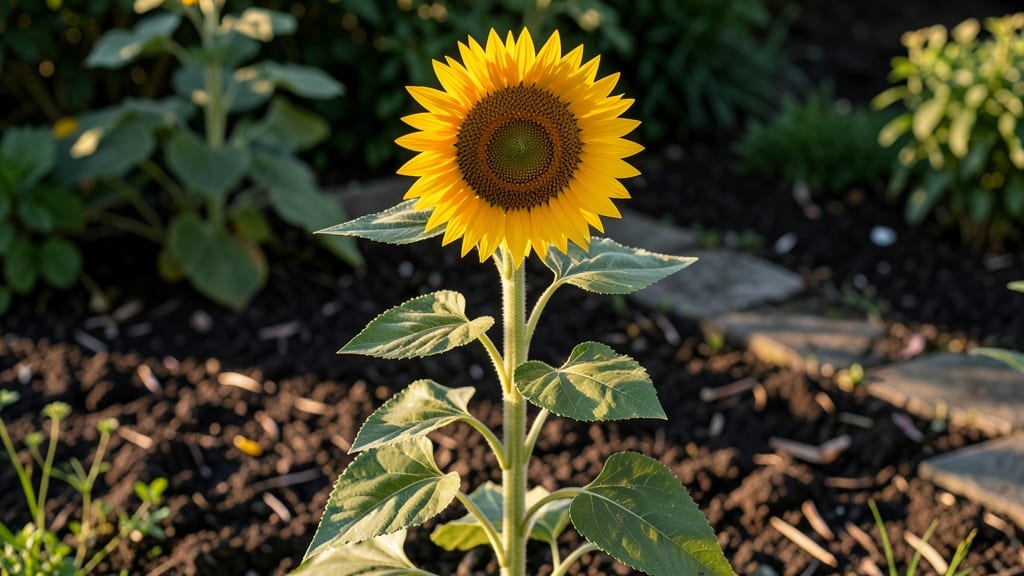
How to adjust planting dates for faster sunflower blooms in hot vs. cool climates
Sunflowers are famously adaptable, but their bloom time can vary wildly—from 60 days in hot climates to over 120 days in cooler zones. The key to faster blooms lies in understanding your USDA heat zone and adjusting your planting strategy accordingly.
In hot zones like Zone 9-11, sunflowers bolt quickly, while cooler zones (Zone 3-5) need earlier starts to avoid late-season frosts. Let’s break down how to optimize your planting schedule for 4-6 weeks earlier blooms.
For hot climates, the secret is staggered planting and shade protection during early growth. In cool climates, soil warming and choosing early-maturing varieties like ‘Moulin Rouge’ (50-60 days) can shave weeks off bloom time.
The right approach depends on your zone, but the goal is always the same: align your sunflower’s growth cycle with your local frost dates and temperature patterns for maximum success.
Key Strategies for Faster Sunflower Blooms
- 1. Staggered Planting: Plant 3 batches every 2 weeks in hot zones to extend bloom time or ensure continuous flowers. In cool zones, plant 1 batch early (4-6 weeks before last frost) for early blooms.
- 2. Soil Warming: Use black plastic mulch or row covers to raise soil temps by 5-10°F in cool climates, accelerating germination and growth by 10-15 days.
- 3. Variety Selection: Choose ‘Moulin Rouge’ (50-60 days) for cool zones or ‘Russian Giant’ (80-120 days) for hot zones. Dwarf varieties like ‘Teddy Bear’ (60-70 days) bloom faster in containers.
- 4. Heat Tolerance: In Zone 9-11, plant late summer (August-September) for fall blooms. Use shade cloth during early growth to prevent bolting.
- 5. Fertilizer Timing: Apply phosphorus-rich fertilizer (like 5-10-10) at planting to promote root growth, cutting bloom time by 5-10 days.
In hot climates (Zones 9-11), sunflowers can bolt in as little as 45 days if conditions are ideal. To avoid this, plant seeds in late summer (August-September) for fall blooms or use shade cloth during early growth to slow bolting.
For cool climates (Zones 3-5), start seeds indoors 6-8 weeks before last frost or use grow lights to jumpstart growth. This ensures they’re large enough to handle cooler temps once transplanted.
Another game-changer is succession planting. By planting 3 batches every 2 weeks, you can stretch your bloom season by 8-10 weeks. For example, in Zone 7, plant the first batch in early April, the second in mid-April, and the third in early May.
This ensures continuous blooms from June through September, even in moderate climates.
Don’t overlook the power of soil preparation. Amend your soil with compost or aged manure before planting to provide essential nutrients. Sunflowers are heavy feeders, and well-fed plants bloom 10-15 days earlier than those in poor soil.
In sandy or rocky soil, mix in organic matter to retain moisture and improve nutrient availability.
Finally, monitor your sunflowers for stress signs like yellowing leaves or stunted growth. These can delay blooming by 2-4 weeks. Adjust watering to deep soaks once a week (more in extreme heat) and avoid overhead watering to prevent fungal diseases.
With these adjustments, you can shift your sunflower bloom time by 4-6 weeks, ensuring vibrant flowers exactly when you want them.
★★★★★5.0(12 reviews)
|