
Planting
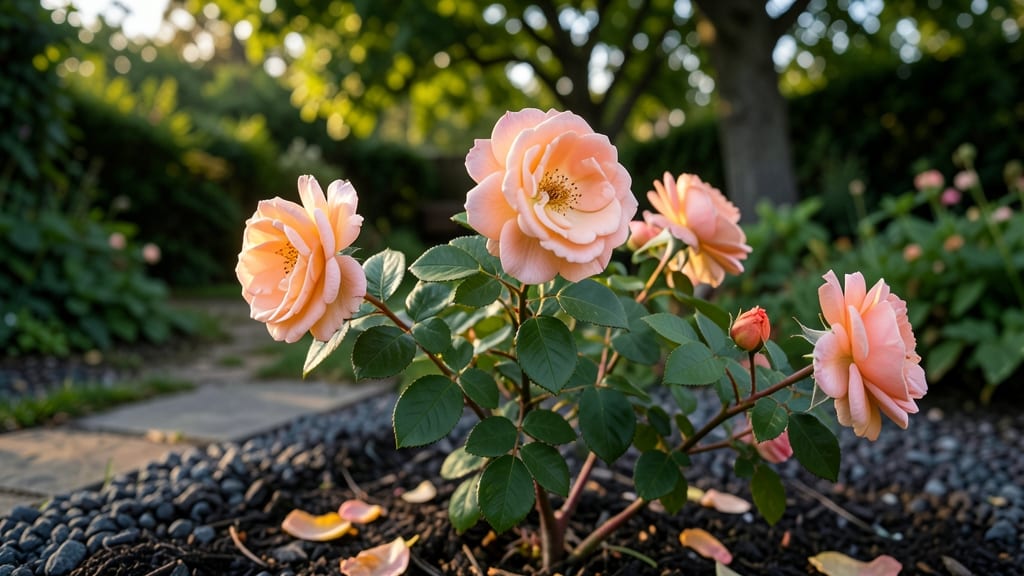
Growing a sunset rose plant means waking up to golden-orange blooms that smell like a summer evening. 🌸 I learned the hard way that these climbers need more than just sunlight—they demand the right soil, consistent water, and a pruning schedule that keeps them blooming all season.
The payoff? A fragrant, disease-resistant plant that outshines store-bought roses by summer's end.
Start with well-draining soil mixed with compost, and plant where it gets at least 6-8 hours of sun daily. Space them 3-4 feet apart—they'll sprawl fast.
Water deeply twice a week (more in heatwaves), but never let them sit in soggy soil. That's when black spot strikes, and nobody wants wilted blooms by July.
Prune in early spring to shape the plant and remove dead wood, then give it a light trim after each flush of blooms. Feed with rose fertilizer every 4-6 weeks during growing season, and watch it reward you with continuous blooms from spring to frost.
The fragrance alone makes it worth the effort.
These roses thrive in zones 5-10, but with winter protection (mulch and burlap), they'll keep climbing year after year. The secret? Treating them like the delicate divas they are—consistent care pays off in bold color and intoxicating scent. Ready to grow one?
📚 In This Guide
- What you need
- Instructions
- Tips and common mistakes
- Wrapping up and next steps
What you need
- ● Sunset Rose Plant: A healthy, disease-free Rosa 'Sunset Meillard' (bare-root or potted). Pro tip: Choose a grafted variety for better disease resistance! 🌹
- ● Well-Draining Soil: 3-5 bags (18-24 lbs each) of a mix like 50% garden soil, 30% compost, and 20% perlite/sand for optimal aeration.
- ● Fertilizer: Balanced 10-10-10 fertilizer (1 lb) for initial planting.
- ● Slow-release rose-specific granules (2 lbs) for ongoing nutrition.
- ● Mulch: 2-3 cubic feet of wood chips or straw to retain moisture and suppress weeds.
- ● Garden Gloves (1 pair) – Protect your hands from thorns! 🛡️
- ● Trowel or Spade – For digging holes (12-18" wide/deep for bare-root roses).
- ● Pruners – Sharp, clean bypass pruners for trimming dead wood.
- ● Watering Can or Hose – With a gentle spray nozzle for post-planting hydration.
- ○ Support Structure (Optional): Trellis, arbor, or sturdy stakes (4-6 ft tall) for climbing varieties.
- ● Tie-wires or soft plant clips to secure vines.
- ● Sunlight: A spot with 6+ hours of direct sun daily (partial shade in hot climates). ☀️
- ● Drainage: Avoid soggy soil—ensure your planting site has good drainage (test by digging a hole and filling it with water; it should drain within 30 mins).
- ● Spacing: 3-5 ft apart in ground plantings.
- ● 18-24" spacing in containers (use a 15+ gallon pot).
Step-by-Step instructions for planting and cultivating a Sunset rose
Here's how I transform a fragrant Sunset rose into a thriving, year-round climber with bold blooms.
🌱 Step 1: Select and Prepare the Planting Site
Sunset roses demand full sun—at least 6-8 hours daily—and well-draining soil. I always test the soil first: dig a 12-inch hole, remove any rocks, and check for drainage by filling it with water. If it doesn’t drain within 1-2 hours, amend the soil with 2-3 inches of compost and a 50/50 mix of garden soil and perlite to improve aeration.
Choose a location sheltered from strong winds, as the delicate blooms can tear easily. Sunset roses thrive in USDA zones 5-10, but if you're in a colder zone, plant near a south-facing wall or fence for winter protection. The root ball should sit 2-3 inches deeper than it was in the nursery pot—this encourages deeper root growth.
🪴 Step 2: Plant with Proper Spacing and Support
Dig a hole twice as wide as the root ball but no deeper—Sunset roses hate sitting in soggy soil. Gently loosen the roots if they’re circling the pot, then place the plant in the hole so the graft union (the bump near the base) sits 2 inches below soil level. This prevents disease and encourages strong growth.
Fill the hole with the amended soil, tamping it down lightly to remove air pockets. Water deeply until the soil settles, then add a 4-foot tall trellis, arbor, or sturdy post immediately. Sunset roses climb aggressively, so secure the main stem with soft plant ties or jute twine to guide it upward. Avoid metal ties—they can cut into the bark as the plant thickens.
☀️ Step 3: Water and Fertilize for Initial Growth
After planting, water deeply every 2-3 days for the first 2 weeks until the soil feels 2-3 inches moist at the root level. Overwatering now will rot the roots before they establish. Once established, water 1 inch per week, more in extreme heat. I always water at the base, not the leaves, to prevent fungal diseases like black spot.
Fertilize with a balanced rose fertilizer (10-10-10) at planting, then again in early spring and mid-summer. Sunset roses are heavy feeders, but avoid high-nitrogen fertilizers—they produce lush foliage at the expense of blooms. Instead, switch to a low-nitrogen, high-phosphorus formula (5-10-5) when buds form to encourage more flowers.
✂️ Step 4: Prune for Shape and Continuous Blooms
Prune in early spring before new growth starts. Remove dead, diseased, or crossing branches, then cut back the remaining stems by one-third to encourage bushier growth. For climbing Sunset roses, prune after the first flush of blooms in summer to promote a second wave of flowers. Always cut just above an outward-facing bud to maintain an open, airy shape.
Deadhead spent blooms weekly to redirect the plant’s energy into new flowers. I also trim back any leggy growth that’s stretching toward the sun—this keeps the plant compact and encourages thicker blooms. Use clean, sharp pruners and disinfect them with rubbing alcohol between cuts to prevent spreading disease.
🌿 Step 5: Winterize for Year-Round Success
In zones 5-7, protect Sunset roses from winter damage by mounding 6-12 inches of mulch around the base after the first frost. Wrap the canes loosely with burlap or frost cloth, securing it with twine but leaving room for airflow. In zones 8-10, minimal protection is needed—just reduce watering and fertilizing as growth slows.
Prune lightly in late winter (just enough to shape the plant) and remove any dead or damaged canes. Resist the urge to prune heavily—Sunset roses store energy in their roots, and aggressive pruning can weaken them before spring. Once new growth appears in early spring, resume regular care and watch for those vibrant, fragrant blooms to return.
Tips & tricks for perfect Sunset rose planting and cultivation
Here's what nobody tells you about transforming a Sunset rose into a fragrant, year-round showstopper.
Soil Drainage is Non-Negotiable: The 1-2 hour drainage test in Step 1 is your best friend. If water pools after 1 hour, you're dealing with heavy clay soil. Sunset roses despise soggy roots—amend with perlite or coarse sand to create that perfect airy environment. I've seen Sunset roses fail spectacularly in poorly drained soil, so don't skip this test! The 2-3 inches of compost you add isn't just for nutrients; it's creating that ideal crumbly texture that roots love.
Planting Depth Matters More Than You Think: That 2-inch depth for the graft union in Step 2 isn't arbitrary—it's about disease prevention and vigor. Too shallow and you risk collar rot; too deep and the plant struggles. Use a pencil to mark the depth on the root ball before planting. Pro tip: In colder zones (5-7), that extra 2-3 inches deeper placement gives roots crucial protection during winter.
Watering Wisdom for First-Time Growers: The "deeply every 2-3 days" rule in Step 3 is critical during establishment. Many gardeners overwater thinking they're helping, but this causes root rot. Stick your finger 2-3 inches down—if it's dry, water. If it's still moist, wait. Once established, that 1-inch weekly rule becomes your new mantra, but always water at the base to keep those leaves dry and disease-free.
Pruning Precision Pays Off: When you're cutting back by one-third in Step 4, think of it as sculpting rather than hacking. Make clean cuts just above outward-facing buds—this creates that open, airy shape that prevents diseases and encourages more blooms. I always prune on dry days when the plant's energy isn't focused on water uptake, and I never cut into old wood—always look for green stems with buds. The weekly deadheading keeps your Sunset producing blooms instead of seeds.
Pro Tips for Sunset Rose Plant
- Here's what nobody tells you about transforming a Sunset rose into a fragrant, year-round showstopper.
- Soil Drainage is Non-Negotiable: The 1-2 hour drainage test in Step 1 is your best friend.
- Planting Depth Matters More Than You Think: That 2-inch depth for the graft union in Step 2 isn't arbitrary—it's about disease prevention and vigor.
Frequently asked questions
Got questions about growing your sunset rose plant? You’re not alone! Here are some of the most common queries—plus quick answers to keep your fragrant climber thriving year-round.
When is the best time to plant a sunset rose?
The ideal time to plant your sunset rose is in early spring (after the last frost) or early fall (6-8 weeks before the first frost). This gives roots time to establish before extreme temperatures. If you’re in a mild climate, spring planting is still best—just avoid summer heatwaves, which can stress young plants.
How often should I water my sunset rose plant?
Water your sunset rose deeply 1-2 times per week, depending on your soil and climate. Aim for 1-1.5 inches of water per week, ensuring the roots get moisture (not just the topsoil). Mulch around the base to retain moisture and reduce evaporation. Overwatering is worse than underwatering! Check soil moisture by sticking your finger 2 inches deep—if it’s dry, it’s time to water.
Why aren’t my sunset roses blooming as much as expected?
Several factors can limit blooms: over-fertilizing with high-nitrogen feed (promotes leaves, not flowers), poor sunlight (they need 6+ hours of direct sun daily), or pruning at the wrong time. Deadhead spent blooms regularly and prune in late winter/early spring to encourage new growth. Also, ensure your plant isn’t root-bound—check if roots are circling the pot!
Can I grow sunset roses in containers, or do they need a garden bed?
Yes! Sunset roses thrive in containers if you choose the right size (at least 15-20 gallons for mature plants). Use a well-draining potting mix with added compost, and ensure the pot has drainage holes. Opt for dwarf or climbing varieties (like ‘Meillandecor’ or ‘Playboy’) for container gardening. Just repot every 2-3 years to refresh the soil.
How do I protect my sunset rose plant in winter?
Sunset roses are hardy to USDA Zones 5-10, but young plants or colder climates need extra care. Mulch heavily (4-6 inches) around the base, wrap the plant in burlap or frost cloth, and avoid pruning until spring. In Zone 5 or colder, consider container growing and moving pots to a sheltered spot. Never prune in winter—wait until late winter when new growth appears.
Pro Tip:
For year-round blooms, feed your sunset rose with a balanced, organic fertilizer (like 10-10-10) every 4-6 weeks during growing season. Pair it with Epsom salt (1 tbsp per gallon of water monthly) to boost magnesium and improve flower production.
Wrapping up and next steps
Transforming your garden with a sunset rose plant is a rewarding journey that brings beauty, fragrance, and vibrancy year-round! 🌹 With the right location, soil, and care, this fragrant climber will thrive and reward you with stunning blooms.
Whether you're a seasoned gardener or just starting out, the key is patience and consistency—watch your garden transform as these roses climb and flourish.
Ready to take the next step? Plant your sunset rose today and enjoy the magic of nature’s most elegant climbers! 🌿 For extra inspiration, browse garden design ideas or share your progress with fellow plant lovers—happy gardening!