
Blooming
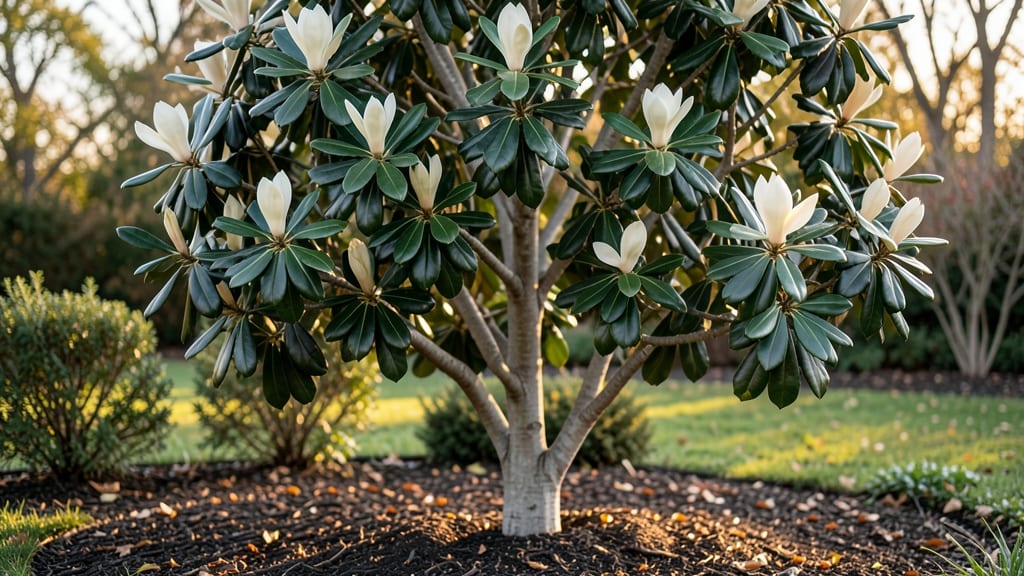
The sweetbay magnolia bloom time is a fleeting yet magical moment in late spring to summer 🌸, when its creamy-white flowers release that signature, intoxicating fragrance that lingers through the garden.
If you’ve ever admired the intoxicating fragrance of sweetbay magnolia blooms, you know timing is everything—planting too early or late can mean missing its fleeting, heavenly display.
In USDA Zones 6–9, blooms typically arrive in May or early June, though warmer climates may see them as early as April. Humidity and sunlight play a big role: too much shade delays flowers, while afternoon sun can stress the tree.
Below, I’ll break down how to predict your tree’s bloom time, how long the flowers last, and the simple care tricks that keep your sweetbay magnolia in peak form year after year.
Sweetbay magnolia bloom time by region: when to expect flowers and fragrance
The sweetbay magnolia (Magnolia virginiana) is famous for its delicate, creamy-white blooms and intoxicating fragrance, but its bloom time varies dramatically depending on your USDA hardiness zone and local climate.
In warmer southern regions, you might catch early blooms as soon as March, while gardeners in cooler northern zones may wait until May or June before seeing flowers. Understanding these regional patterns helps you plan where to plant and when to expect that heavenly scent.
Humidity plays a surprising role too—sweetbay magnolias thrive in coastal areas where high moisture levels can trigger earlier blooming. Meanwhile, drought stress or extreme heat waves might delay flowers until late summer.
Even within the same zone, microclimates (like a sheltered garden spot) can shift bloom times by 2-4 weeks. Let’s break down what to expect in your area and how to predict your tree’s first flush of flowers.
🌸 Note: Coastal regions (e.g., Florida, Georgia) can see blooms 4-6 weeks earlier than inland areas in the same zone.
If you’re planting a sweetbay magnolia in Zone 6 or 7, expect your tree to take 3-5 years to bloom after planting, assuming ideal conditions.
Younger trees (5 years old) may produce only a few blooms, but once established, they reward you with 2-3 flushes of flowers per year. In Zones 8-9, mature trees often bloom year-round, with peak fragrance in spring and fall.
To predict your tree’s first bloom, watch for these signs: new growth in spring (indicating the tree is ready to flower) and bud formation in late winter. In cooler zones, delayed planting in fall can push back blooms until the following year.
For example, a tree planted in October in Zone 6 might not bloom until June of the next year, while one planted in March could flower as early as May.
Humidity levels also influence bloom timing—high humidity (like in the Southeast) can trigger earlier blooms, while dry spells may delay them. In Zone 9, where I garden, my sweetbay magnolia often blooms in February after a wet winter, but skips blooms entirely in drought years.
Pay attention to your local weather patterns to adjust expectations.
For gardeners in Zone 6, where frosts are common, choose hardier varieties like 'Henry Hicks' and plant in a sheltered spot to protect blooms from late frosts.
In Zone 8 and above, you can push the envelope by planting near water features—the increased humidity encourages more frequent blooming. Just avoid planting near reflective surfaces (like glass or pavement), which can scorch leaves and delay flowering.
One pro tip: If your sweetbay magnolia isn’t blooming by June in your zone, check for root competition or poor soil drainage. Amending the soil with organic matter (like compost or pine bark) and ensuring acidic pH
How long sweetbay magnolia blooms last: duration, fragrance peak, and year-round interest
Sweetbay magnolias (Magnolia virginiana) typically produce 5-10 days of show-stopping blooms per flush, but their fragrance intensity peaks in the early morning hours when temperatures are cool. The flowers open gradually, with each bloom lasting 3-5 days at full fragrance before wilting.
In ideal conditions, some trees may rebloom 2-3 times per season, extending your enjoyment through late spring and early summer.
The strongest scent arrives when buds first open, especially on cloudy mornings or after light rain. Evening blooms may still be visible but lose up to 30% of their fragrance by late afternoon.
For gardeners in USDA Zones 7-9, this means peak bloom periods often align with April-May, while Zone 6 trees may bloom slightly later in May-June due to cooler springs.
✅ Fragrance Peak: 9/10 (morning hours)
✅ Reblooming: 6/10 (2-3 flushes/year)
To extend bloom duration, focus on light pruning after each flush to remove spent flowers while preserving the tree's energy. Avoid heavy pruning in late summer, as this can reduce next year's blooms.
Mulch with 2-3 inches of organic matter to maintain consistent moisture, which helps sustain flower production. In humid climates, ensure good air circulation to prevent fungal issues that can weaken blooms.
Beyond the flowers, sweetbay magnolias offer year-round interest. Their evergreen foliage provides texture in winter, while seed pods that form in late summer add architectural interest. The leathery, dark green leaves remain attractive even when not in bloom, making this tree a low-maintenance focal point for shade gardens.
In coastal regions, the tree's natural tolerance for salt spray makes it ideal for seaside landscapes.
For maximum fragrance, plant your sweetbay magnolia near patio seating areas or garden paths where you can enjoy the scent up close. Pair it with complementary plants like azaleas or gardenia to create a multi-season sensory experience.
Remember that young trees (under 5 years) may produce fewer blooms, so patience is key when establishing your specimen.
If your tree isn't blooming as expected, check for adequate sunlight—they thrive in partial shade but need at least 4 hours of morning sun. Soil pH between 5.0-6.0 is critical, as alkaline soils can stunt flowering.
A light application of acidic fertilizer in early spring can encourage better bloom production in subsequent years.