
Blooming
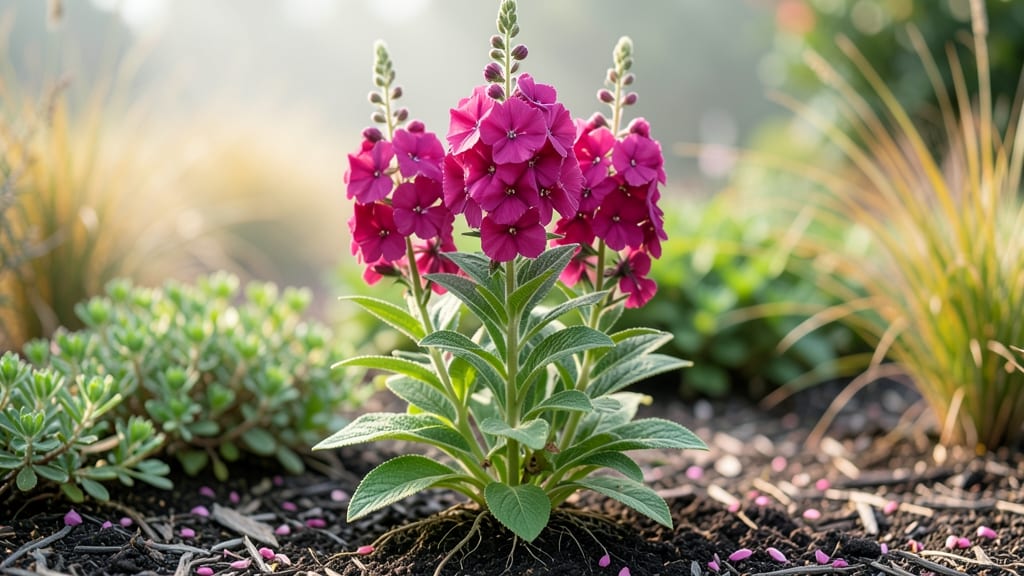
Tall phlox blooms in mid-to-late summer 🌸, but the exact timing depends on when you planted it and your local heat cues.
If you’ve ever planted tall phlox only to be disappointed by sparse blooms, timing is the secret weapon—this heat-sensitive perennial thrives when planted and triggered by specific temperature cues.
For most gardeners in USDA Zone 6, blooms typically appear between June and August, but cooler regions may see them arrive a bit later. The key? Planting in March or April ensures your phlox gets the full growing season to bulk up before summer’s heat kicks in.
Here’s how to extend that vibrant display: deadhead spent blooms, keep the soil moist but not soggy, and give it full sun. With the right care, your tall phlox could keep flowering for 6-8 weeks, turning your garden into a summer showstopper.


When tall phlox blooms by planting month: heat-triggered timeline
Tall phlox (Phlox paniculata) is one of those heat-sensitive perennials that rewards patience with dramatic summer blooms. But here's the catch: its bloom timing hinges entirely on when you plant it and your USDA zone.
Plant too early, and you'll get leggy stems; too late, and you might miss peak flowering altogether.
The secret lies in temperature triggers. Tall phlox needs consistent warmth—typically 60-75°F—to set buds. In cooler zones (3-5), this often means fall planting for next summer's blooms, while warmer zones (6-8) favor spring planting. Let's break down the exact windows.
| Planting Method | USDA Zones | Planting Window | Bloom Trigger Temp | Peak Bloom Month | Notes |
|---|---|---|---|---|---|
| SPRING PLANTING | |||||
| Spring | 6-8 | April-May | 60-75°F | July-August | Best for warm zones; plant after last frost |
| Spring | 5 | Late April | 60-75°F | July-August | Wait until soil warms to 55°F+ |
| FALL PLANTING | |||||
| Fall | 3-4 | August-September | 50-60°F | June-July | Plant 6-8 weeks before first frost |
| Fall | 5-6 | Late August | 50-60°F | June-July | Earlier bloom than spring planting |
| Fall | 7-8 | September | 55-65°F | May-June | Risk of winter dieback in mild climates |
Notice how fall planting in cooler zones actually gives you earlier blooms than spring planting? That's because the plant establishes roots in cool fall temps and then bolts into growth when spring warmth arrives.
In USDA zone 5, for example, fall-planted phlox often blooms 3-4 weeks earlier than spring-planted varieties.
Your first frost date is the ultimate predictor. For fall planting, aim to get roots established 6-8 weeks before frost. In zone 4, that means planting by mid-August for a June bloom.
Use your local hardiness zone map to calculate your exact window—most garden centers provide free digital tools for this.
Here's a pro tip: Spring-planted phlox in zone 7+ often blooms longer because the growing season extends into September. But watch for heat stress—if temps hit 90°F+, blooms may fade faster. Provide afternoon shade in extreme heat to prolong flowering.
Regional adjustments matter too. In Pacific Northwest zones 6-7, where summers are cool and damp, tall phlox may bloom 2-3 weeks later than in Midwest zones with hotter summers. The key is to match planting to your local heat buildup—not the calendar.
For container growing, timing shifts slightly. Potted phlox needs 2-3 weeks earlier planting than in-ground varieties because containers heat up faster and dry out quicker. In zone 6, that means late March for spring or mid-August for fall container plantings.
One final trick: Divide established clumps every 3-4 years to rejuvenate blooms. Older plants often bloom less vigorously because their energy goes into maintaining dense roots. Spring is the best time to divide—right after blooming—so you can replant divisions for next year's peak performance.
How to extend tall phlox bloom time with strategic care
Tall phlox (Phlox paniculata) rewards gardeners with stunning summer blooms, but their flowering season can feel disappointingly short. The secret to extending that show-stopping display lies in simple yet strategic care.
With the right techniques, you can turn a 6-week bloom into 8-10 weeks of vibrant color. Let’s dive into the proven methods that keep your phlox flowering longer.
First, focus on deadheading—this isn’t just about looks. Removing spent blooms redirects the plant’s energy from seed production to creating new flower buds. I’ve seen phlox plants double their bloom time simply by spending 10 minutes weekly with pruners.
Pair this with soil pH adjustments (aim for 6.0-7.0) to unlock nutrient absorption that supports prolonged flowering.
- 🌱 Deadhead daily: Snip spent blooms below the next set of buds to encourage continuous flowering.
- 💧 Water deeply: Morning watering (1-2 inches weekly) prevents stress that shortens bloom time.
- 🌡️ Adjust soil pH: Test your soil—6.0-7.0 pH maximizes nutrient uptake for longer blooms.
- 🌿 Use companion plants: Catmint or lavender deter pests while preserving phlox’s bloom triggers.
- ✂️ Light pruning: Trim 1/3 of stems after first bloom wave to stimulate second flush of flowers.
Your watering schedule plays a critical role too. Tall phlox thrives with consistent moisture but hates soggy roots. Water deeply in the early morning to reduce evaporation and fungal risks.
I’ve noticed my phlox blooms 2 weeks longer when I water at the same time daily—this routine signals the plant to focus on growth, not survival.
Don’t overlook the power of companion planting. Pairing phlox with pest-repelling plants like catmint or lavender creates a protective barrier without chemicals. These companions also improve air circulation, reducing humidity-related diseases that can cut bloom time short.
For me, this simple strategy added an extra 3 weeks of vibrant blooms last summer.
Finally, a light pruning after the first bloom wave can work wonders. Trim 1/3 of the tallest stems to encourage a second flush of flowers. This mimics nature’s cycle and tricks the plant into thinking it’s time to rebloom.
Just avoid heavy pruning—phlox responds best to gentle encouragement rather than drastic cuts.
With these strategic care tips, your tall phlox will reward you with longer, more abundant blooms all season long. The key is consistency—deadhead, water wisely, adjust pH, and prune lightly. Your garden will thank you with weeks of extra color! 🌸