
Diseases
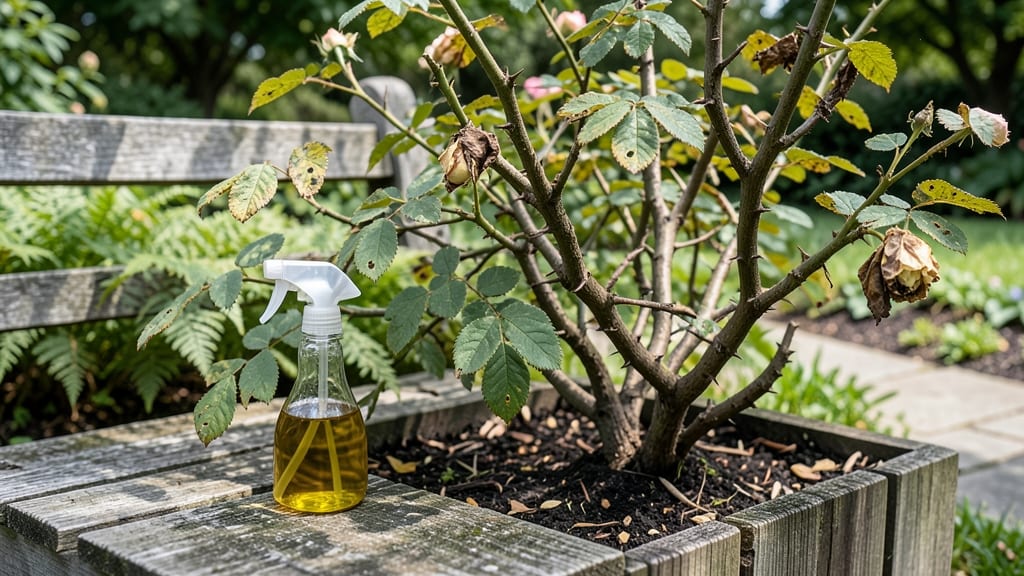
A treatment for holes in rose leaves is your first line of defense—whether the damage comes from pests or fungal invaders. 🌿 I’ve battled both, and the good news is you can fix this without harsh chemicals.
Black spot fungus and beetle damage look similar at first glance, but the treatments couldn’t be more different. First, identify the culprit: fungal spots appear as dark, greasy patches with tiny holes, while beetle damage looks like Swiss cheese with jagged edges.
The key to stopping black spot is a homemade baking soda spray—it’s safe, effective, and won’t harm pollinators. For beetles, neem oil or a soapy water spray does the trick in just a few days.
You’ll see new growth within two weeks if you catch it early, and your roses will bounce back with fewer holes and more blooms. The secret is consistency—spray every 7-10 days until the damage stops, then focus on prevention. Works for all rose varieties, from hybrid teas to climbers.
Let’s get those leaves healthy again!
Root Causes of Leaf Damage
Understanding why your rose leaves develop holes is the first step toward restoring their health. These issues often stem from a mix of environmental stressors, pests, and fungal infections. Below, we break down the most common culprits—each with a distinct signature and solution.
Pests are the most obvious culprits behind holes in rose leaves. Their feeding habits leave behind telltale signs, from jagged edges to skeletonized foliage. Here’s what to watch for:
- Japanese Beetles 🐞: These metallic-green invaders chew leaves in a lacy, irregular pattern, often targeting the upper surface first. Their larvae (grubs) also damage roots, weakening the plant’s ability to recover.
- Rose Slugs (Sawfly Larvae) 🐛: Unlike beetles, these pale, translucent caterpillars skeletonize leaves, leaving behind a delicate, net-like structure. They cluster on the undersides of leaves, making them harder to spot.
- Aphids & Spider Mites 🕷️: While they don’t create large holes, their piercing-sucking mouthparts cause tiny punctures that weaken leaves, making them more susceptible to fungal infections or wind damage.
- Caterpillars (e.g., Cabbage Looper, Tomato Hornworm) 🐛: These voracious eaters devour entire sections of leaves, leaving behind ragged, uneven holes. They’re often active at night or in shaded areas.
Pro Tip: 🔍 Examine leaves undersides and new growth first—pests love to hide there! A magnifying glass can help identify early signs before damage spreads.
Fungi thrive in damp, humid conditions and can cause holes indirectly by weakening leaf tissue. While they don’t physically create holes, their effects make leaves brittle and prone to tearing. Key offenders include:
- Black Spot (Diplocarpon rosae) 🍃: This fungal disease creates dark, circular lesions with yellow halos. As spots multiply, leaves thin out and tear easily, especially in wind or rain.
- Powdery Mildew (Erysiphe spp.) ❄️: A white, powdery coating on leaves blocks sunlight, starving the plant. Infected leaves become papery and fragile, often developing holes when brushed against.
- Botrytis Blight (Botrytis cinerea) 🌧️: Thrives in high humidity and causes brown, water-soaked patches that expand into large, irregular holes as tissue rots.
Key Clue: 🌡️ Fungal damage often appears first on lower leaves and spreads upward. If you see white mold or black spots alongside holes, fungi are likely the culprit.
Not all leaf damage comes from living organisms. Harsh weather, poor growing conditions, and even human error can create holes or make leaves vulnerable to tearing. Common triggers:
| Factor | How It Causes Holes | Signs to Watch For |
|---|---|---|
| Hail or Wind 🌪️ | Physically punctures or tears leaves, especially thin or weakened ones. | Irregular, sharply cut edges with no feeding patterns. |
| Overwatering 💦 | Leads to root rot, which starves leaves of nutrients, making them brittle and prone to damage. | Yellowing between veins, mushy stems, or leaves that fall at the slightest touch. |
| Drought Stress ☀️ | Causes leaves to curl and dry out, making them crispy and fragile. | Brown, papery edges that tear easily when handled. |
| Chemical Burn 🧴 | Overuse of fertilizers, herbicides, or fungicides damages leaf tissue, creating white or brown necrotic spots that expand into holes. | Symmetrical bleached or crispy patches, often on newer growth. |
Prevention Tip: 🌱 If your roses are in a windy or exposed area, consider staking or pruning to protect leaves from physical damage.
Sometimes, the cause is less obvious but just as damaging:
- Mechanical Damage ⚒️: Trimming too aggressively, brushes against rough surfaces, or even pet claws can create holes. Look for clean, straight-edge tears.
- Nutrient Deficiencies 🌱: Lack of nitrogen, magnesium, or calcium weakens cell walls, making leaves thin and susceptible to breaking. Yellowing between veins (chlorosis) is a red flag.
- Bird or Animal Activity 🐦: Birds pecking at pests or squirrels gnawing on stems can accidentally damage leaves. Check for uneven, larger holes near the base of the plant.
Quick Test: 🧪 If holes appear suddenly and randomly with no signs of pests or disease, rule out physical trauma or deficiencies first.
Quick Fixes for Hole-Riddled Rose Leaves
If your roses are looking more Swiss cheese than lush blooms, don’t panic—there’s a solution for every cause! Below, we’ve mapped out the most common culprits behind those pesky holes and paired them with practical, organic-friendly fixes you can start using today.
Plus, we’ll share prevention tips to keep your roses thriving long-term. Let’s get your garden back in shape!
If tiny holes, silken webbing, or skeletonized leaves are the issue, you’re likely dealing with hungry insects. Here’s how to evict them for good:
🔥 Step 1: Identify the Invader
Not all pests leave the same calling card. Check for these clues:
- Japanese beetles: Irregular holes + chewed edges (they love roses like fine dining!). 🍽️
- Rose slugs/sawfly larvae: Ragged holes + black frass (poop) on leaves. 🪰
- Aphids: Tiny clusters + sticky residue (honeydew). 🍯
- Spider mites: Fine webbing + stippled leaves (they’re so small, you’ll need a magnifying glass!). 🕷️
🍳 Step 2: Manual Removal (Yes, Really!)
For light infestations, your hands are your best tool:
- Handpick beetles or slugs into soapy water. 🧼
- Blast aphids off with a strong stream of water (early morning works best). 💦
- Wipe down leaves with a damp cloth to remove eggs or webbing. 🧻
👨🍳 Step 3: Organic Sprays That Pack a Punch
For stubborn pests, try these DIY sprays (spray undersides of leaves too!):
- Neem oil spray: Mix 1 tbsp neem oil + 1 tsp mild soap + 1 quart water. Spray every 5–7 days. ⏰
- Garlic spray: Blend 2 cloves garlic + 1 quart water, strain, and add 1 tsp soap. Reapply weekly. 🧄
- Kaolin clay: Sprinkle or spray (follow package instructions) to create a protective barrier. 🏋️
💡 Pro Tip:
Rotate sprays to prevent pests from building resistance. And prune heavily damaged leaves—they’re just inviting more pests for a party! ✂️
Black spot, powdery mildew, or bacterial leaf spot can create holes as they kill leaf tissue. Here’s how to starve the fungus and restore your roses:
🔪 Step 1: Prune Like a Pro
Remove all infected leaves (don’t compost them—bag and toss!). Use sterilized pruners to avoid spreading spores. ✂️
🌡️ Step 2: Boost Airflow & Light
Fungi thrive in damp, shady conditions. To create a hostile environment:
- Space plants 3–4 feet apart for airflow. 🌬️
- Thin out dense foliage to let sunlight penetrate. ☀️
- Avoid overhead watering—use a soaker hose or drip irrigation instead. 💧
🎯 Step 3: Organic Fungicide Sprays
Drench your roses with these natural fungicides (apply in the evening to avoid sunburn):
- Baking soda spray: Mix 1 tbsp baking soda + 1 quart water + 1 tsp soap. Spray every 7–10 days. 🍞
- Copper fungicide: Use a ready-made organic spray (like Copper Soap) every 2 weeks. 🛡️
- Milk spray: 1 part milk + 9 parts water (yes, really!). Spray weekly for mildew prevention. 🥛
✨ Prevention Bonus:
Apply a mulch ring around your roses (2–3 inches of straw or wood chips) to reduce soil splashing onto leaves. Plus, water at the base only—never the foliage! 🌱
Harsh winds, hail, or even your own lawnmower can tear leaves into confetti. Here’s how to shield your roses:
🏡 Step 1: Physical Barriers
Protect tender leaves with:
- Burlap screens tied loosely around plants during storms. 🏴
- Straw mulch mounds to cushion against windburn. 🌾
💪 Step 2: Strengthen the Plant
Healthy roses bounce back faster. Give them:
- Balanced organic fertilizer (like 5-5-5) in early spring. 🌿
- Deep watering (1–2 inches per week) to encourage root growth. 💦
🔄 Step 3: Prune Strategically
After damage, prune back to healthy growth (just above a leaf node) to encourage new, resilient foliage. ✂️
Remember: The key to long-term success is consistency. Combine these fixes with regular inspections (every 3–4 days), and your roses will be back to their hole-free glory in no time! 🌹
Frequently asked questions
Why do my rose leaves have holes but no visible pests?
Holes without pests often signal fungal infections like black spot or powdery mildew, which weaken leaf tissue until it tears easily. Check for dark spots with yellow halos or white powdery coatings. Environmental stress (wind, drought) can also cause mechanical damage—look for jagged, clean edges rather than chewed patterns.
Can I use store-bought fungicides on roses with holes?
Yes, but opt for organic options like copper fungicide or neem oil first. Avoid harsh chemicals—they can burn weakened leaves. For severe cases, follow label instructions carefully. Always remove infected leaves first to prevent spread, and apply sprays in the evening to avoid sunburn.
How often should I spray my roses to prevent holes?
For prevention, spray every 7-10 days during peak growing season (spring-fall) with organic fungicides or pest deterrents. During outbreaks, increase to weekly applications. Early morning or late evening spraying works best—avoid midday sun, which can damage leaves.
Will my roses recover if most leaves have holes?
Yes! Prune back 75% of damaged leaves to redirect energy to new growth. Healthy roses regenerate quickly—focus on improving airflow, watering at the base, and applying organic treatments. Within 4-6 weeks, you should see fresh foliage, especially if you catch it before the worst damage sets in.
Are there any rose varieties less prone to holes?
Disease-resistant varieties like 'Knock Out' roses or 'Dr. Huey' climbers are bred to handle pests and fungi better. While no rose is completely immune, these types require fewer treatments. Always choose varieties suited to your climate—local nurseries can recommend the toughest options for your area.