
Pruning
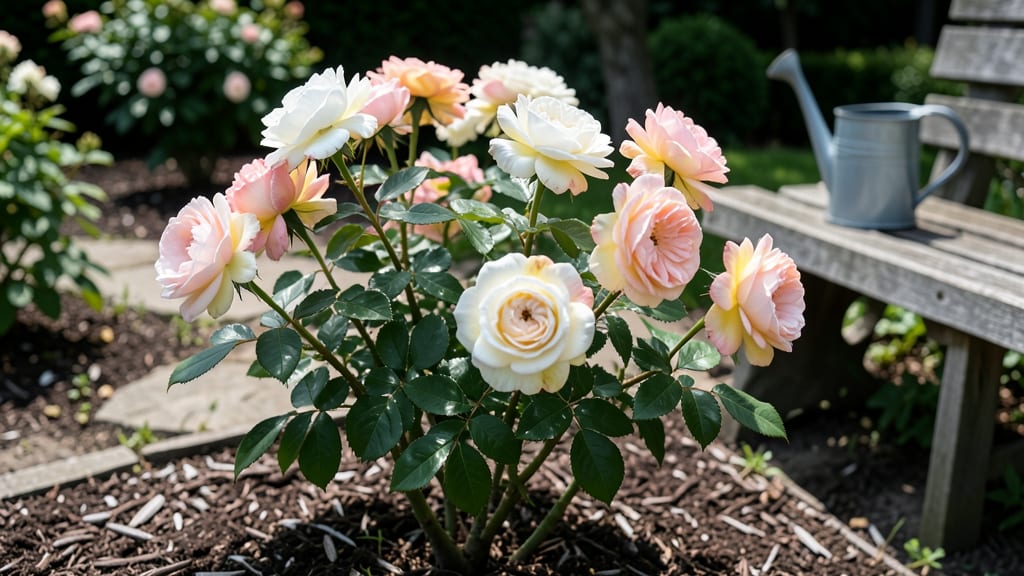
Tri-colored roses aren't just pretty—they're a visual masterpiece that transforms any garden into a living watercolor. 🌸 I've grown these stunning varieties for years, and they're not like your average roses.
Their petals blend pink, white, and red in ways that make neighbors stop and stare, and with the right care, they'll bloom longer and more dramatically than single-hued varieties.
The secret starts with the right varieties like 'Iceberg' or 'Triomphe de Munich,' which handle pruning like pros and reward you with bold, multihued blooms all season. Plant them in full sun with well-draining soil, and space them 3-4 feet apart—they need room to flex their dramatic petals.
The key difference from single-colored roses? Their stems and buds develop multiple color layers, so pruning must be precise to preserve that magic.
Once established, these roses thrive with monthly feeding and seasonal trims—cut back by one-third in early spring and deadhead spent blooms to encourage nonstop color. The payoff? A garden that looks like a living painting, with blooms that shift hues as they mature.
Even in heat waves, their petals stay vibrant when you follow these care steps.
They're not without challenges—color fading can happen if you over-fertilize with nitrogen, and black spot fungus loves their lush foliage—but with the right preventative sprays and proper airflow, you'll keep them showstopping from spring through frost. Ready to grow roses that look like they belong in a gallery?
📚 In This Guide
- What you need
- Instructions
- Tips and common mistakes
- Wrapping up and next steps
What you need
- ● Tri-colored rose plants: Choose disease-resistant varieties like 'Iceberg' or 'Double Delight' (3–5 plants for full visual impact).
- ● Pruning shears: Sharp, bypass-pruners (8–10 inches) for clean cuts—sterilize with rubbing alcohol between cuts!
- ● Gloves: Heavy-duty, rose-specific gloves (thorn-proof!) to protect your hands.
- ○ Pruning sealant: Optional but helpful—use tree wound paint to prevent infections on larger cuts.
- ● Compost or fertilizer: Slow-release, rose-specific formula (10-10-10 NPK ratio) for nutrient boosts.
- ● Watering can or hose: With a gentle spray nozzle to avoid damaging blooms.
- ● Stakes or trellis: 4–6 ft tall for climbing varieties (if applicable).
- ● Loppers: For thicker stems (16–24 inches) if pruning mature bushes.
- ● Rose food: Liquid bloom booster (e.g., Miracle-Gro) for extra color vibrancy.
- ● Mulch: Organic mulch (pine bark or straw) to retain moisture and suppress weeds.
- ● Plant support: Wire cages or spiral ties for heavy blooms.
- ● Pest control: Neem oil or insecticidal soap for aphids/mites (common in roses!).
How to cultivate vibrant tri-colored roses for continuous seasonal blooms
Here's the method I've perfected for growing showstopping tri-colored roses that keep blooming from spring through fall.
🌱 Step 1: Select and Prepare the Perfect Planting Site
Choose a location with full sun exposure (6-8 hours daily) and well-draining soil. Tri-colored roses need excellent airflow to prevent fungal diseases that can mute their vibrant colors. I always test soil pH first—aim for 6.0-6.5—and amend with compost if needed. The roots should never sit in soggy conditions, so raise beds slightly if your yard drains poorly.
Dig a hole twice as wide as the root ball but only as deep as the container's base. Loosen the roots gently if they're circling—this encourages outward growth. Place the plant so the graft union sits 2-3 inches above soil level. This prevents root rot while keeping the plant stable.
☀️ Step 2: Establish Proper Watering and Fertilizing Routine
Water deeply twice weekly during the first growing season, ensuring moisture reaches 12-18 inches deep. You'll know you've watered enough when the top 3 inches of soil feel damp but not saturated. Overwatering causes yellow leaves and weakens the plant's natural color vibrancy.
Feed with a balanced rose fertilizer (10-10-10) every 4-6 weeks starting in early spring. For maximum color intensity, switch to a higher phosphorus (5-10-5) formula when buds form. I always water plants thoroughly before applying fertilizer to prevent root burn.
✂️ Step 3: Master Precision Pruning for Continuous Blooms
Prune in late winter or early spring to remove 1/3 of last year's growth at a 45-degree angle, just above an outward-facing bud. This encourages strong new growth where the most vibrant blooms develop. Always use clean, sharp pruners to make smooth cuts—ragged edges invite disease.
Deadhead spent blooms immediately by cutting back to the first 5-leaf cluster. This redirects energy into producing new buds rather than seed formation. I prune again in summer after each flush of blooms to maintain shape and encourage the next wave of colorful flowers.
🌿 Step 4: Maintain Season-Long Color Through Strategic Care
Mulch heavily with 2-3 inches of organic mulch in early spring to retain moisture and regulate soil temperature. This helps maintain the rich color intensity throughout the season. I always keep mulch 4 inches away from the stem to prevent rot.
Watch for pests like aphids that can dull the vibrant colors by sucking plant juices. Spray with neem oil at the first sign of infestation. For fungal diseases, apply a copper fungicide preventatively every 2-3 weeks during humid periods. Healthy plants develop the most vivid tri-colored blooms.
⏰ Step 5: Prepare for Winter Dormancy
Stop fertilizing by late August to allow plants to harden off before winter. Cut back canes by 1/3 after the first hard frost, then mound soil or mulch 6-8 inches high around the base for insulation. This protects the graft union and encourages strong spring regrowth.
Remove all dead foliage in early spring before new growth appears. The fresh green leaves that emerge will develop into the season's most vibrant blooms. I always prune out any weak or crossing canes first—they compete with the healthy growth that produces the best color displays.
Tips & tricks for growing stunning tri-colored roses
These precision-focused tips will help you maximize the vivid colors and continuous blooms that make tri-colored roses so special.
Sunlight Optimization: While 6-8 hours of daily sunlight is ideal, these roses can handle up to 10 hours if your climate is cooler. In hotter regions, provide afternoon shade during peak summer months to prevent color fading. I've seen the most vibrant blooms when plants receive morning sun and gentle afternoon light—this balances energy production with color preservation.
Pruning Precision: When removing 1/3 of last year's growth in Step 3, focus on cutting just above an outward-facing bud at a 45-degree angle. This creates an ideal surface for water runoff while directing new growth outward where sunlight hits most directly. I always make my cuts about 1/4 inch above the bud—any higher risks exposing the bud to disease, any lower can cause the new stem to grow crooked.
Color-Enhancing Fertilizer Strategy: The switch to higher phosphorus (5-10-5) fertilizer when buds form is crucial for those signature tri-color patterns. Apply this fertilizer in the early morning when temperatures are coolest—this prevents leaf burn that can mute the vibrant hues. I've found that splitting the recommended dose into two applications (half in spring, half when buds appear) gives even more intense color development without stressing the plant.
Pro Tips for Tri Colored Roses
- These precision-focused tips will help you maximize the vivid colors and continuous blooms that make tri-colored roses so special.
- Sunlight Optimization: While 6-8 hours of daily sunlight is ideal, these roses can handle up to 10 hours if your climate is cooler.
- Pruning Precision: When removing 1/3 of last year's growth in Step 3, focus on cutting just above an outward-facing bud at a 45-degree angle.
Frequently asked questions
Got questions about growing and maintaining stunning tri-colored roses? Here are answers to the most common ones—so you can keep those vibrant blooms thriving all year!
Why do my tri-colored roses lose their vibrant stripes?
Tri-colored roses (like the famous 'Iceberg' or 'Blanc Double de Coubert') can fade if they don’t get enough sunlight (6+ hours/day) or proper nutrients. Over-fertilizing with nitrogen also dulls colors—opt for a balanced rose fertilizer (10-10-10) instead. Prune leggy stems to encourage bushier growth and more vivid blooms!
How often should I trim tri-colored roses for continuous blooms?
Trim every 4–6 weeks during the growing season (spring to fall) to encourage year-round blooms. After the first flush of flowers, cut back 1/3 of the stem just above a healthy outward-facing bud. In winter, do a light cleanup (remove dead wood) but avoid heavy pruning—wait until spring!
Can I grow tri-colored roses in containers? Yes—but what’s the secret?
Use a large pot (18"+ diameter) with draining holes and a mix of potting soil + compost. Place in full sun and water deeply 2–3x/week (containers dry faster!). Feed with liquid fertilizer every 2 weeks in spring/summer. Pro tip: Rotate the pot weekly for even growth!
What’s the best tool for precision trimming without damaging stems?
Use sharp bypass pruners (for stems <1/4" thick) or anvil pruners for thicker wood. Dull tools crush stems, inviting disease. Always sterilize with rubbing alcohol between cuts. For deadheading, snip just above a 5-leaflet leaf to promote new growth.
Do tri-colored roses need winter protection?
In USDA Zones 6–9, mulch the base with 4–6" of straw or shredded leaves after the first frost. For Zone 5 or colder, mound soil or mulch 12" high around the base. Avoid plastic wraps—they trap moisture and rot stems. In spring, remove mulch once new growth appears (~2–3 weeks after last frost).
Bonus Tip: Troubleshooting Pale Stripes
If your roses’ stripes fade to pink or white, check for:
- Shade stress → Move to sunnier spot.
- Overwatering → Let soil dry 1" between waterings.
- Old age → Rejuvenate with a rejuvenation prune (cut all stems to 12" in early spring).
Wrapping up and next steps
Tri-colored roses are a stunning addition to any garden, and with the right care—especially precision trimming—you can enjoy their vibrant blooms year-round! 🌸 From selecting the best tools to mastering seasonal pruning techniques, this guide gives you everything you need to keep your roses thriving.
Whether you're a beginner or a seasoned gardener, a little patience and practice will yield gorgeous, healthy roses that brighten up your outdoor space.
Now that you’re armed with knowledge, roll up your sleeves and start pruning! Grab your shears, follow the steps, and watch your tri-colored roses flourish. Happy gardening! 🌿✨