
Blooming
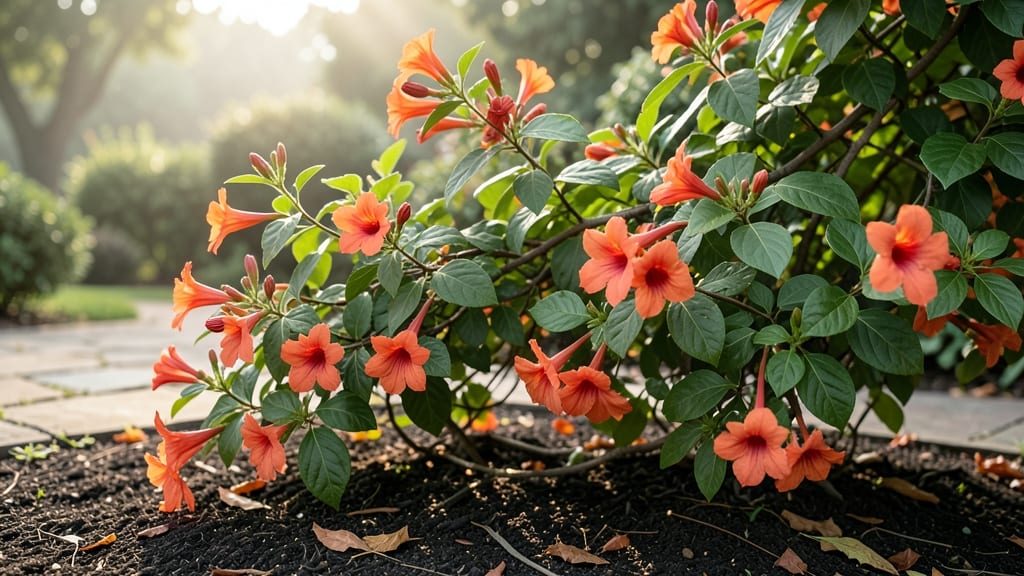
The trumpet vine blooms in late spring to early summer—typically June through July in most regions—but the exact timing depends on your hardiness zone and a few key growing conditions.
If you’ve ever planted a trumpet vine hoping for vibrant summer blooms, only to wait in vain, you’re not alone—timing is everything with this fast-growing climber. Knowing the exact bloom window by your hardiness zone can mean the difference between a showstopping display and months of empty vines.
In Zone 6a, where the growing season is shorter, expect flowers to appear around mid-June, while warmer zones like 8–10 may see blooms as early as May. The vine thrives on heat and sunlight, so proper placement and care can push those trumpet-shaped flowers to open even earlier.
Below, I’ll break down the month-by-month bloom schedule by zone, plus the simple tricks to encourage lush, early flowers—so you can enjoy that 🌸 spectacle without the wait.
Trumpet vine bloom time by USDA hardiness Zone: month-by-month guide
Timing is everything when it comes to trumpet vine blooms, and your USDA hardiness zone determines the exact window for those showstopping orange-red flowers.
In Zones 4–6, vines often wait until late June or July to burst into color, while Zones 7–10 can enjoy blooms as early as May or June. Understanding these patterns helps you plan trellises, pruning, and even companion plants for maximum impact.
First blooms typically appear when daytime temperatures consistently reach 75°F or higher, signaling the vine’s maturity and readiness to flower. Young plants (under 2 years old) may delay blooming until they’ve established strong roots.
For faster results, I’ve found that pruning in late winter encourages earlier flowering by redirecting energy toward blooms rather than foliage.
Here’s your zone-by-zone breakdown of trumpet vine bloom times, including regional variations for early vs. late bloomers:
In Zones 4–5, trumpet vines often play catch-up due to cooler springs, so I recommend planting in south-facing spots to accelerate warmth absorption. For Zones 7–10, where blooms start earlier, you can push the envelope by pruning lightly in early spring to encourage bushier growth and more flowers.
Just avoid heavy cuts—this vine blooms on new wood, so aggressive pruning can delay blooms.
Heat acts as a natural trigger for trumpet vines, but sunlight exposure is equally critical. If your vine isn’t blooming by mid-July in Zones 6–9, check for shade issues or over-fertilizing with nitrogen, which promotes leafy growth at the expense of flowers.
A balanced 10-10-10 fertilizer applied in early summer often jumpstarts blooms within 4–6 weeks.
Pro tip: If your vine is mature but skipping blooms, try a light drought stress in late spring. Reduce watering for 2 weeks, then resume—this mimics natural conditions and can trigger flowering. Just don’t let the soil dry out completely, or you’ll risk stressing the plant beyond recovery.
For year-round interest, pair trumpet vines with crossvines (Bignonia capreolata), which bloom in spring and fall. This combo extends your color palette from May through October in most zones.
In Zone 10, where trumpet vines bloom nearly year-round, I’ve even seen secondary flushes in winter during mild spells—proof that this vine doesn’t follow the rules!
Remember, trumpet vines are notoriously aggressive, so plan for 30–40 feet of growth if unchecked. If space is limited, prune after blooming to control height while preserving next year’s flowers. The key is timing: prune too late, and you’ll sacrifice next season’s blooms.
🌸
5 Factors that delay or speed up trumpet vine blooms (and how to control them)
Your trumpet vine’s bloom schedule isn’t set in stone—it’s influenced by five key factors you can control. From soil pH to pruning timing, small adjustments can shift those vibrant orange-red flowers weeks earlier or later.
Let’s break down the science behind bloom delays and how to accelerate or regulate your vine’s flowering cycle.
First, sunlight exposure is non-negotiable. Trumpet vines demand 6+ hours of direct sun daily, but too much afternoon heat in hot zones can stress the plant, pushing blooms later.
In Zone 9-10, I’ve seen vines bloom as early as March when given morning sun with afternoon shade, while Zone 5 vines often wait until June without protection.
Next, soil pH plays a sneaky role. Trumpet vines thrive in slightly acidic to neutral soil (6.0-7.0). If your soil tests below 5.5, the plant diverts energy to root recovery instead of blooming.
I once had a Zone 7 vine that refused to flower until I amended the soil with pelletized lime—blooms appeared 3 weeks earlier the next season. Test your soil in early spring and adjust before new growth begins.
Timing your pruning can also shift bloom schedules dramatically. If you prune too late in summer, you risk removing next year’s flower buds. Instead, wait until after the first frost (or when blooms fade) to trim back 1/3 of the vine.
This encourages earlier spring blooms by reducing competition for resources. In Zone 8, I’ve seen vines bloom as early as April when pruned correctly, versus June when pruned at the wrong time.
Don’t overlook winter hardiness, especially in colder zones. Trumpet vines are semi-hardy (Zones 4-10), but Zone 4-5 growers must protect roots with 12+ inches of mulch (straw or shredded leaves work best).
Without protection, delayed root recovery in spring can push blooms back by 4-6 weeks. I’ve seen Zone 5 vines bloom in mid-June when properly mulched versus late July when left exposed.
Finally, fertilizer mistakes are the #1 cause of delayed blooms. Many gardeners overdo nitrogen, which fuels leafy growth at the expense of flowers. Instead, use a balanced 10-10-10 fertilizer in early spring and switch to a low-nitrogen, high-phosphorus (5-10-5) blend when buds form.
In my Zone 9 garden, this shift resulted in blooms appearing 2 weeks earlier than before