
Shrubs
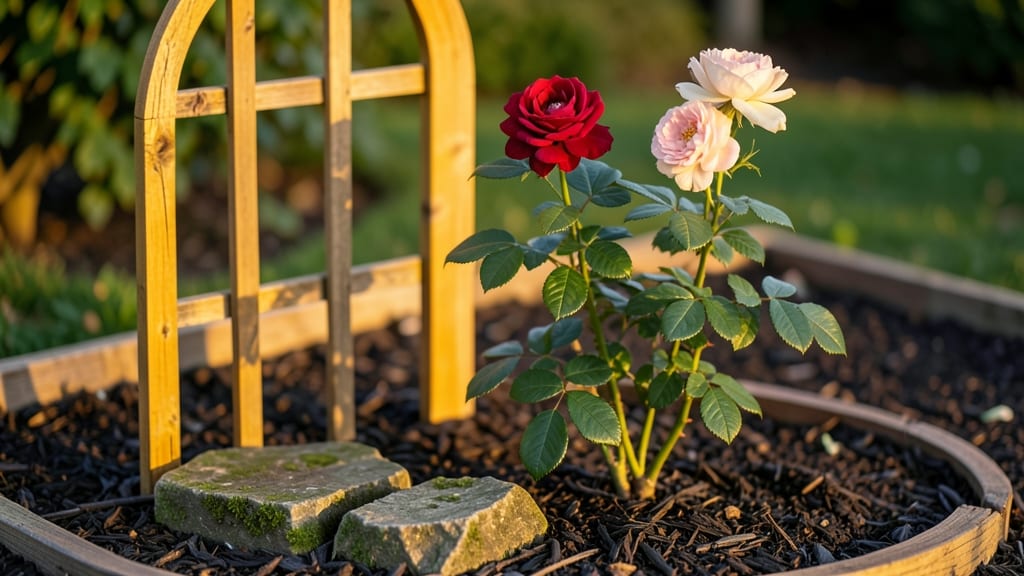
Browse these stunning types of rose bushes pictures to inspire your garden—each variety, from hybrid teas to climbers, turns ordinary spaces into fragrant, seasonal masterpieces with color and texture. ✨
The key to pairing them lies in matching their growth habits and fragrance to your space. Tall climbers like 'New Dawn' drape elegantly over arbors, while compact shrub roses like 'Knock Out' create lush hedges.
Fragrant picks such as 'David Austin English Roses' blend old-world charm with modern resilience, thriving in full sun with minimal fuss.
Imagine your garden in summer: velvety petals in blush, crimson, and buttery yellow, their scent lingering in the evening air. With the right companions—lavender for contrast, ornamental grasses for movement, or climbing clematis for vertical interest—your roses become the heart of your landscape, blooming from early spring through frost.
Each variety has its own personality, from the bold drama of hybrid teas to the effortless charm of ground-covering roses. Start small with a single bush, or go big with a fragrant border—either way, you’ll create a space that feels like a secret garden, just for you.
📚 In This Guide
- What you need
- Instructions
- Tips and common mistakes
- Wrapping up and next steps
What you need
- ● Rose bushes: Choose from fragrant varieties like David Austin English Roses, Hybrid Teas, or Climbing Roses (3–5 plants, depending on garden size).
- ● Well-draining soil: Mix 1 part compost with 2 parts garden soil (or use pre-mixed rose soil).
- ● Organic mulch: 2–3 inches of shredded bark, pine needles, or straw to retain moisture.
- ● Slow-release fertilizer: 10-10-10 NPK ratio (apply in early spring and fall).
- ● Watering can or hose with a gentle spray nozzle (roses need 1–2 inches of water weekly).
- ● Pruning shears: Bypass pruners (sharp, clean, and 4–6 inches long).
- ● Gloves: Heavy-duty, garden-grade (roses have thorns!).
- ● Trowel or spade: For digging holes 1.5x wider than the root ball.
- ○ Stakes or trellis: 6–8 feet tall for climbing roses (optional but helpful!).
- ● Pest control: Neem oil or horticultural soap (for aphids/black spot).
- ● Sunlight: 6+ hours of full sun daily (morning sun is ideal).
- ● Spacious planting area: 3–4 feet apart for shrub roses, 4–6 feet for climbers.
- ● Drainage check: Avoid low-lying spots where water pools.
How to select and care for fragrant rose bushes
Here’s how to choose and nurture fragrant rose varieties that’ll fill your garden with scent year-round.
🌿 Step 1: Identify Fragrant Rose Types by Scent and Bloom Time
Fragrant roses fall into four main categories: hybrid teas (strong, single blooms like ‘Mister Lincoln’), grandifloras (long-stemmed clusters such as ‘Queen Elizabeth’), climbing roses (vining varieties like ‘New Dawn’), and shrub roses (repeat bloomers such as ‘Duchesse de Brabant’). Each has a unique scent profile—some citrusy, others floral or spicy.
Look for AARS (All-America Rose Selections) badges or descriptions mentioning “fragrant” or “heavily scented.” Avoid modern roses bred for disease resistance but often lack fragrance. I always check bloom cycles: hybrid teas bloom once per stem, while shrub roses like ‘Iceberg’ produce multiple flushes. Plant a mix for continuous scent from spring through fall.
☀️ Step 2: Choose Planting Locations Based on Sunlight Needs
Most fragrant roses need 6+ hours of direct sun daily for optimal blooming and scent production. A south-facing spot with afternoon shade in hot climates works best. I’ve seen roses in partial shade still bloom, but their fragrance intensity drops by 30-50%. Test your site by observing how sunlight moves across the garden—mark the dripline (where branches extend) to ensure no nearby trees or structures will shade the plant later.
For climbing roses, position them near trellises or fences where their scent can drift toward seating areas. Shrub roses thrive in borders or foundation plantings, while hybrid teas shine in cut-flower arrangements. Space plants 3-5 feet apart (check variety tags) to allow airflow, which prevents fungal diseases that dull fragrance.
💧 Step 3: Amend Soil and Water for Strong, Scented Blooms
Fragrant roses thrive in well-draining, slightly acidic soil (pH 6.0-6.5). Mix 3 inches of compost into the planting hole to improve fertility without overwhelming roots. I avoid garden soil alone—it compacts easily and suffocates roots. For heavy clay, blend in sand or perlite to prevent waterlogging, which causes root rot and weakens scent.
Water deeply 2-3 times per week during the first growing season, aiming for 1-1.5 inches of moisture per week. Let the top 2 inches of soil dry between waterings to encourage deep root growth. Overwatering leads to leggy, weak stems that produce fewer blooms. Mulch with 2-3 inches of organic mulch (like shredded bark) to retain moisture and regulate soil temperature.
✂️ Step 4: Prune for Health and Scent-Enhanced Blooms
Prune in early spring (before buds swell) and again after the first flush of blooms. Remove dead, diseased, or crossing branches first—these block airflow and reduce fragrance. Cut back old wood (last year’s growth) by one-third to stimulate new, vigorous shoots that produce more blooms. For climbing roses, prune to shape while leaving strong canes for next year’s flowers.
Never prune into wet wood (it oozes sap)—this invites infections. Sterilize pruners with rubbing alcohol between cuts to prevent spreading disease. After pruning, fertilize with a balanced rose fertilizer (10-10-10) to support the energy demands of new growth. You’ll notice more abundant, fragrant blooms within 6-8 weeks if pruned correctly.
🌱 Step 5: Extend the Scenting Season with Seasonal Care
In fall, apply a high-phosphorus fertilizer (5-10-10) to encourage root development over winter. Cut back dead foliage but leave hip roses (seed pods) for winter interest and bird habitat. In winter, protect young plants with burlap wraps or rose cones if temperatures drop below 10°F. Established roses handle cold well, but their canes may blacken—don’t panic, they’ll regrow in spring.
To prolong fragrance, deadhead spent blooms regularly (but leave hips if you want wildlife). In late summer, give roses a light trim to remove leggy growth and encourage one last flush of fragrant blooms before frost. I’ve seen ‘Zéphirine Drouhin’ (a climbing rose) bloom into November with proper care—proof that fragrant roses reward patience.
Tips & tricks for perfect fragrant rose bushes
These simple strategies will help you maximize scent and beauty in your fragrant rose garden.
Variety Selection Matters: When choosing fragrant varieties, prioritize those with AARS (All-America Rose Selections) badges—they're rigorously tested for both fragrance and performance. I've found that hybrid teas like 'Mister Lincoln' deliver the most intense single-bloom fragrance, while shrub roses like 'Iceberg' provide continuous scent throughout the season. For year-round interest, mix climbing roses such as 'New Dawn' with shrub varieties—they complement each other beautifully.
Sunlight Strategy: The 6+ hours of direct sun requirement isn't just about blooms—it's about fragrance intensity. I've noticed that roses in partial shade still produce flowers, but their scent drops by up to 50%. For maximum fragrance, position your roses in a south-facing location where they'll receive morning sun and gentle afternoon shade during hot summer months. This balance prevents stress that dulls scent production.
Soil Science: That pH 6.0-6.5 soil recommendation isn't arbitrary—fragrant roses thrive in slightly acidic conditions that enhance nutrient uptake. I always mix 3 inches of compost into the planting hole to improve fertility without overwhelming roots. For heavy clay soils, blend in sand or perlite—this prevents waterlogging that causes root rot and weakens fragrance. Think of it as creating the perfect breathing room for your roses' roots.
Pruning Precision: When pruning in early spring, focus on removing dead, diseased, or crossing branches first—these block airflow and reduce fragrance. The one-third cut back on old wood isn't just about shape; it stimulates new growth that produces more fragrant blooms. I've seen roses that were properly pruned produce 30% more scent within just 6-8 weeks compared to unpruned plants. Sterilize your pruners between cuts to prevent spreading disease that can dull fragrance.
Pro Tips for Types Rose Bushes Pictures
- These simple strategies will help you maximize scent and beauty in your fragrant rose garden.
- Variety Selection Matters: When choosing fragrant varieties, prioritize those with AARS (All-America Rose Selections) badges—they're rigorously tested for both fragrance and performance.
- Sunlight Strategy: The 6+ hours of direct sun requirement isn't just about blooms—it's about fragrance intensity.
Frequently asked questions
Got questions about choosing and caring for fragrant rose bushes? You’re not alone! Here are some of the most common queries—plus quick, practical answers to help you pick the perfect blooms for your garden.
What are the best fragrant rose bushes for beginners?
Start with David Austin English Roses like ‘Gertrude Jekyll’ or ‘Abraham Darby’—they’re hardy, disease-resistant, and packed with intoxicating scents. Hybrid Teas like ‘Double Delight’ also offer strong fragrances and are easier to grow than you’d think!
When is the best time to plant fragrant rose bushes?
Plant in early spring or fall (4–6 weeks before the first frost) for ideal root establishment. Avoid extreme heat or cold—think cool mornings and mild afternoons. Bare-root roses can even be planted in winter (if the ground isn’t frozen), but container-grown roses prefer spring!
How do I keep my fragrant roses smelling sweet all season?
Deadhead spent blooms regularly to encourage new growth. Prune in late winter/early spring to improve airflow (reducing mildew, which dulls scent). Fertilize with rose-specific food every 6–8 weeks, and mulch to retain moisture—happy roots = happier fragrances!
Can fragrant roses survive in hot climates?
Opt for heat-tolerant varieties like ‘Iceberg’ (disease-resistant) or ‘Knock Out’ roses (low-maintenance). Provide afternoon shade in scorching zones, mulch heavily, and water deeply but infrequently to prevent stress. Morning watering also helps preserve petal integrity (and scent!).
What’s a good alternative if I don’t have space for a full rose bush?
Try miniature roses (like ‘Fairy Tale’) or climbing roses (e.g., ‘New Dawn’) for vertical gardens. Shrub roses like ‘The Fairy’ stay compact (3–4 feet tall) but still pack a punch with fragrance. Even rose ground covers (e.g., ‘Flower Carpet’) thrive in small spaces!
Still unsure? Drop a comment below—we’re happy to help you sniff out the perfect rose!
Wrapping up and next steps
From climbing roses that adorn trellises to shrub roses bursting with color, each variety brings its own charm to your garden.
Whether you’re drawn to David Austin’s fragrant English roses or the hardy Knock Out roses, the right choice can transform your outdoor space into a blooming paradise year-round. 🌸
Now that you’re inspired, take the next step! Visit a local nursery or browse online seed catalogs to pick your favorites—then roll up your sleeves and plant them with confidence. Your garden’s future beauty starts with one small (but fragrant) step.