
Planting
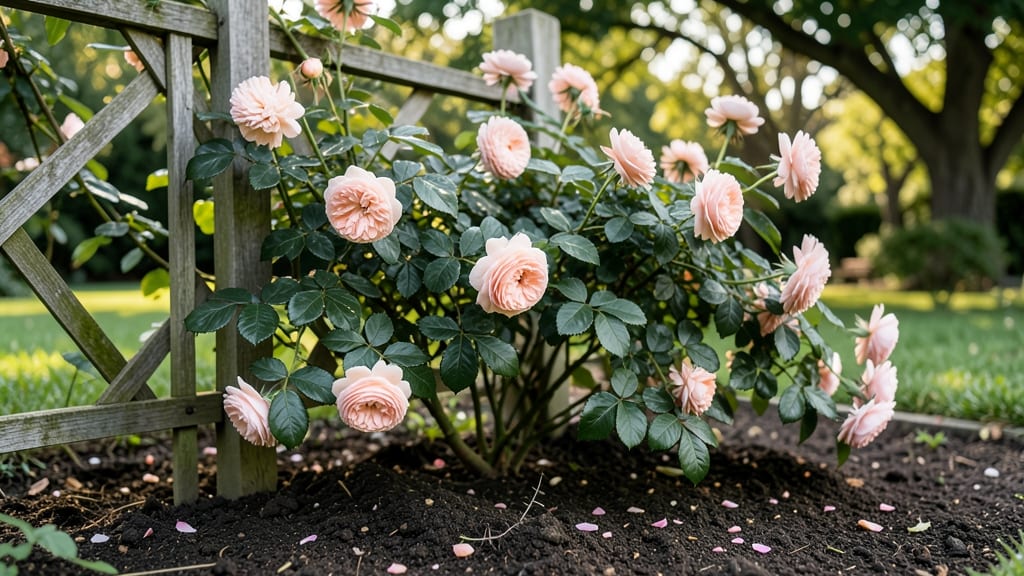
A fragrant vine rose plant can transform your garden into a summer-scented paradise—even in partial shade, and I’ve mastered the art of growing them with the perfect variety and support. 🌿 thrive. These roses aren’t just pretty; they’re resilient, producing blooms from early summer until frost if cared for properly.
The secret to success starts with the location: partial shade (morning sun, afternoon shade) works beautifully, especially in hotter climates. Well-draining soil is a must—amend heavy clay with compost or sand—and a sturdy trellis or arbor gives those vines the structure they crave.
Most varieties need 6 hours of sunlight, but some shade-tolerant types like ‘New Dawn’ or ‘Blaze’ can handle even less.
Once planted, consistent watering and monthly feeding with rose fertilizer keep those vines lush and blooming. Prune in late winter to shape the plant and remove dead wood, then again after flowering to encourage more blooms. The payoff? A fragrant, flower-covered trellis that becomes the centerpiece of your garden.
Whether you’re a beginner or a seasoned gardener, these roses are rewarding—just pick the right variety for your space. Let’s get those vines growing!
📚 In This Guide
- What you need
- Instructions
- Tips and common mistakes
- Wrapping up and next steps
What you need
- ● Vine rose plant: Choose a healthy, disease-free specimen (bare-root or potted). Popular varieties include Rosa ‘New Dawn’ or Rosa ‘Blaze’ for partial shade.
- ● Well-draining potting mix or garden soil: 2–3 cubic feet (for in-ground planting) or a 5–7 gallon container (for pots). Mix in compost (1 part compost to 3 parts soil) for nutrients.
- ● Support structure: Arbor or trellis: 6–8 feet tall (for climbing varieties). Opt for metal or wood with 4–6 inch spacing between supports.
- ● Or obelisk: 5–6 feet tall (for smaller varieties like Rosa ‘Zéphirine Drouhin’).
- ● Organic mulch: 2–3 inches of shredded bark or wood chips to retain moisture and suppress weeds.
- ● Slow-release fertilizer: 10–10–10 or rose-specific fertilizer (follow package rates for partial shade).
- ● Pruning shears: Sharp, sterilized shears (or a small saw for thick stems).
- ● Gloves: Heavy-duty gardening gloves (roses can have thorns!).
- ● Watering can or hose with a gentle nozzle: Vine roses need consistent moisture but hate soggy roots.
- ● Trowel or spade: For digging holes (12–18 inches wide/deep for in-ground planting).
- ● Stakes or ties: Soft plant ties or flexible stakes to secure young vines to supports.
- ○ Optional but helpful: Rose food (for a mid-season boost).
- ● Mystery Gro or Epsom salt (for magnesium deficiency prevention).
- ● Drip irrigation system (for automated watering).
Step-by-step guide to planting and cultivating vine roses
Here’s how to grow fragrant, shade-tolerant vine roses that climb beautifully while thriving where other roses struggle.
🌱 Step 1: Choose the Right Location and Prepare the Soil
Vine roses need partial shade—at least 4-6 hours of morning sun and dappled afternoon shade to prevent leaf scorch. I always pick a spot near a trellis, arbor, or fence where the vines can climb naturally. Avoid areas with strong afternoon sun, which can bleach petals and stress the plant.
Amend the soil with 3-4 inches of compost mixed into the top 12 inches of soil. Vine roses prefer well-draining, slightly acidic soil (pH 6.0-6.5). If your soil is heavy clay, add sand or perlite to improve drainage. Dig a hole twice as wide as the root ball but only as deep—planting too deep suffocates the roots.
🪴 Step 2: Plant with Proper Spacing and Support
Dig the hole and gently loosen the roots of your vine rose before placing it in the ground. Space plants 4-6 feet apart to allow airflow and prevent disease. I like to install a trellis or climbing structure at planting time so the vines have something to grasp immediately.
Place the rose in the hole, ensuring the graft union (the swollen bump near the base) is 2 inches below soil level. This protects the plant from frost and disease. Backfill with native soil, pressing gently to remove air pockets. Water deeply to settle the soil and encourage root contact.
☀️ Step 3: Water and Mulch for Optimal Growth
Water deeply once a week (about 1-1.5 gallons per plant) unless rainfall provides 1 inch of moisture. Vine roses are drought-tolerant once established, but young plants need consistent moisture. You’ll know they’re thirsty when the leaves droop slightly in the afternoon—this is their way of signaling thirst.
Apply 3 inches of organic mulch (like shredded bark or pine needles) around the base, keeping it 6 inches away from the stem. Mulch conserves moisture, regulates soil temperature, and suppresses weeds. Replenish mulch annually to maintain its insulating properties.
✂️ Step 4: Prune for Shape and Encourage Blooms
Prune vine roses twice a year: late winter (just before new growth starts) and right after flowering. In winter, remove dead, diseased, or crossing branches to improve airflow. Cut back overly long canes by one-third to encourage bushier growth and more blooms.
After the first flush of flowers fades, trim back spent blooms to just above a set of healthy leaves. This encourages a second round of flowers and keeps the plant looking tidy. Avoid heavy pruning in late summer—it reduces next year’s blooms.
🌿 Step 5: Fertilize and Monitor for Pests
Feed vine roses once in early spring with a balanced, slow-release fertilizer (10-10-10). I also add compost tea every 4-6 weeks during the growing season for a natural nutrient boost. Over-fertilizing leads to leafy growth at the expense of flowers, so follow package instructions closely.
Watch for aphids, spider mites, or black spot fungus, which love damp foliage. Spray leaves with neem oil or soapy water at the first sign of pests. If you notice yellow leaves, it’s often a sign of overwatering or nutrient deficiency—adjust care accordingly.
Tips & tricks for perfect vine rose cultivation
Here's what nobody tells you about growing these shade-loving climbers—secrets that'll make your vine roses thrive when others fail.
Lighting Strategy: The 4-6 hours of morning sun is non-negotiable for vine roses, but here's the trick: position your trellis to capture that sunlight while shielding from harsh afternoon rays. I've seen roses with perfect blooms under a pergola where the morning light filters through gently. If you must plant in full shade, choose varieties like 'New Dawn' or 'Blaze' that tolerate lower light better.
Soil Science: That pH 6.0-6.5 range is crucial—vine roses hate alkaline soil. Test your soil first! If it's too alkaline, mix in sulfur or peat moss when amending with compost. For clay-heavy soil, I add coarse sand (not fine play sand) to create those tiny air pockets roots need. Think of it like giving your roots a breath of fresh air.
Pruning Precision: When you're cutting back those overly long canes by one-third in late winter, make your cuts at a 45-degree angle just above an outward-facing bud. This encourages new growth in the right direction. I always sterilize my pruners with rubbing alcohol between cuts to prevent spreading disease—especially important when you're working with multiple plants.
Watering Wisdom: The 1-1.5 gallons per week is a baseline, but timing matters more. Water in the early morning so leaves dry quickly, preventing fungal issues. I've found that vine roses actually prefer slightly dry soil between waterings—overwatering is the #1 reason for yellow leaves. Let the top inch of soil dry out before watering again, especially after the plant is established.
Pro Tips for Vine Rose Plant
- Here's what nobody tells you about growing these shade-loving climbers—secrets that'll make your vine roses thrive when others fail.
- Lighting Strategy: The 4-6 hours of morning sun is non-negotiable for vine roses, but here's the trick: position your trellis to capture that sunlight while shielding from harsh afternoon rays.
- Soil Science: That pH 6.0-6.5 range is crucial—vine roses hate alkaline soil.
Frequently asked questions
Got questions about growing and caring for your vine rose plant? You’re not alone! Here are some of the most common queries—plus straightforward answers to help you keep those fragrant vines thriving in partial shade.
How fast do vine roses grow?
Vine roses typically grow 12 to 36 inches per year, depending on the variety and growing conditions. With proper care—like regular watering, pruning, and well-draining soil—they can quickly cover trellises, fences, or arbors. Patience is key, though; expect full coverage in 2 to 3 years for most varieties.
When is the best time to plant vine roses?
The ideal time to plant vine roses is early spring or early fall, when temperatures are mild. This gives the roots time to establish before extreme heat or cold sets in. Avoid planting during peak summer, as the stress can stunt growth. If you’re in a warmer climate, fall planting is often the safer bet!
Can vine roses survive in full shade?
While vine roses thrive in partial shade (3–6 hours of sunlight daily), they’ll struggle in full shade. Without enough light, they may produce fewer blooms and grow leggy. If your space is shady, choose a north-facing wall or a spot with dappled sunlight. A sheer curtain or nearby trees can also provide the perfect balance.
Why aren’t my vine roses blooming?
Lack of blooms often stems from over-pruning, poor nutrition, or insufficient sunlight. Ensure your vine rose gets at least 3 hours of direct sunlight and feed it with a balanced rose fertilizer in spring and summer. Deadheading spent blooms also encourages new flowers. If the issue persists, check for pests or root stress!
What’s the best trellis or support for vine roses?
Vine roses need a strong, sturdy support to climb—think metal or wooden arbors, trellises, or obelisks. Avoid flimsy structures like twine or wire mesh, as the vines can become too heavy. A 5-foot-tall trellis is ideal for most varieties, and ensure it’s anchored securely. Pro tip: Train young canes early to encourage upward growth!
Wrapping up and next steps
Growing a vine rose plant is a rewarding experience that brings fragrant beauty to your garden—even in partial shade! With the right soil, sunlight, and care, these climbing stars will flourish and fill your space with intoxicating blooms.
Whether you're a seasoned gardener or just starting out, their low-maintenance charm makes them a perfect addition to any outdoor (or indoor!) setting.
Ready to dive in? Pick your spot, grab your gloves, and let the magic of vine roses transform your space! 🌿✨ Happy planting!