
Shrubs
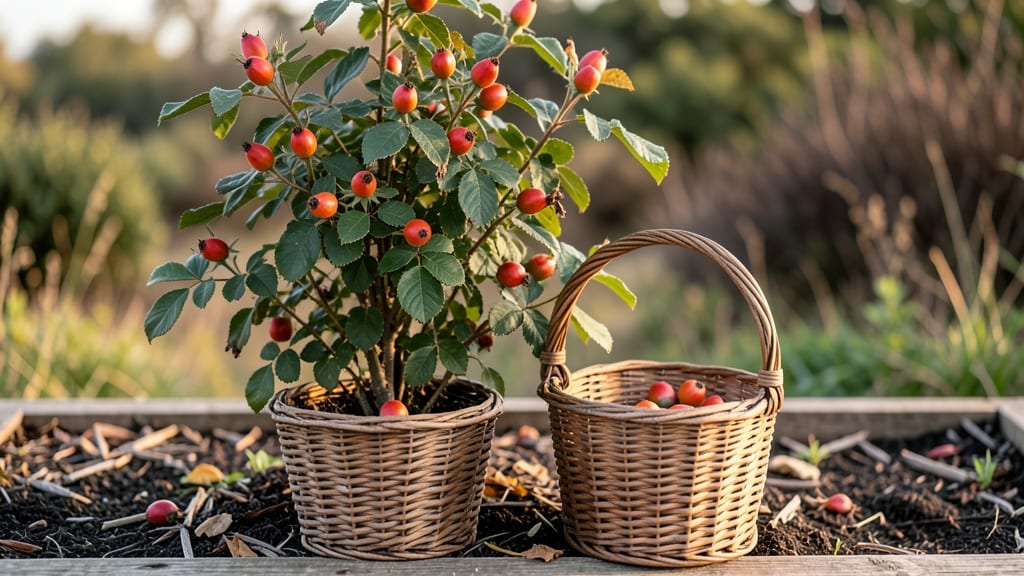
When wondering what to do with rose hips, you can use them fresh or dried in teas, jams, syrups, and savory dishes for their bright tartness and impressive vitamin C content, or transform them into infused oils and vinegars for health benefits and preservation.
Rose hips are nature's little powerhouses, packed with nutrients and a unique tangy flavor that elevates both sweet and savory dishes. 🌿 Beyond their culinary uses, they're celebrated for their immune-boosting properties—especially during cold seasons.
I've found that drying them properly preserves their vibrant color and intensifies their flavor, making them perfect for homemade syrups that add a natural sweetness to cocktails or desserts.
The key is harvesting them when fully ripe (deep red) and removing the seeds before use, which unlocks their full potential in everything from jams to infused vinegars.
For those new to working with rose hips, starting with simple recipes like tea or jam is ideal—they're forgiving and highlight the fruit's natural qualities. Advanced cooks often experiment with rose hip-infused oils for dressings or even savory sauces, where their subtle tartness cuts through rich flavors beautifully.
The versatility makes them a must-have in any kitchen pantry, especially for those seeking natural, nutrient-dense ingredients.
💡 In This Article
- Harvesting and Preparing Rose Hips for Culinary Use
- Top 5 Rose Hip Recipes for Cooking and Health
Harvesting and preparing rose hips for culinary use
The best time to harvest rose hips is when they've turned a deep, vibrant red—typically in late summer to early fall. This is when their natural sugars peak and their tartness mellows slightly, creating a balanced flavor.
Look for hips that are firm to the touch but give slightly when pressed, as overly soft ones may be overripe or starting to ferment. 🌹 The key is to pick them after the first frost if you're in a colder climate, as this can enhance their sweetness and make the skins slightly softer for easier peeling.
Once harvested, proper preparation is crucial to unlock their full potential. Start by removing the stems and any remaining petals, then rinse them gently under cool water to remove dirt. The next step is deseding—rose hips contain small, hard seeds that can make dishes gritty.
To remove them, you can either slice the hips in half lengthwise or use a small knife to carefully cut around the seed cluster. For large batches, a food processor set to pulse works well, but wear gloves as the juices can stain.
After deseding, the hips are ready for drying.
Drying is essential for preserving their vibrant color and intensifying their flavor. Spread the cleaned hips on a baking sheet lined with parchment paper and place them in a warm, dry area with good airflow—ideally between 100-120°F.
Avoid direct sunlight, as this can cause the skins to darken and lose their bright hue. A dehydrator set to 135°F for 6-8 hours is perfect for even drying. Once fully dried, they should feel papery and brittle when crushed between your fingers.
Store them in an airtight container away from light to keep their nutrients and flavor intact for up to 6 months.
Fresh rose hips can also be used immediately, but their tartness is more pronounced and they require more preparation. Peeling is easier when the hips are fresh—simply slice them open and scrape out the seeds with a spoon.
The flesh can then be used straight in recipes, though it's best combined with sweeteners to balance the sharpness. For those who prefer convenience, dried hips are more versatile and easier to store, making them ideal for quick teas or syrups.
One often-overlooked step is testing for ripeness before committing to a recipe. Cut open a dried hip and taste a small piece—it should have a bright, almost citrusy tartness with a hint of sweetness.
If it tastes overly bitter, the hips may not have been fully ripe when harvested or dried too long. This simple test ensures you're using hips at their peak for the best results in any dish. 💫