
Blooming
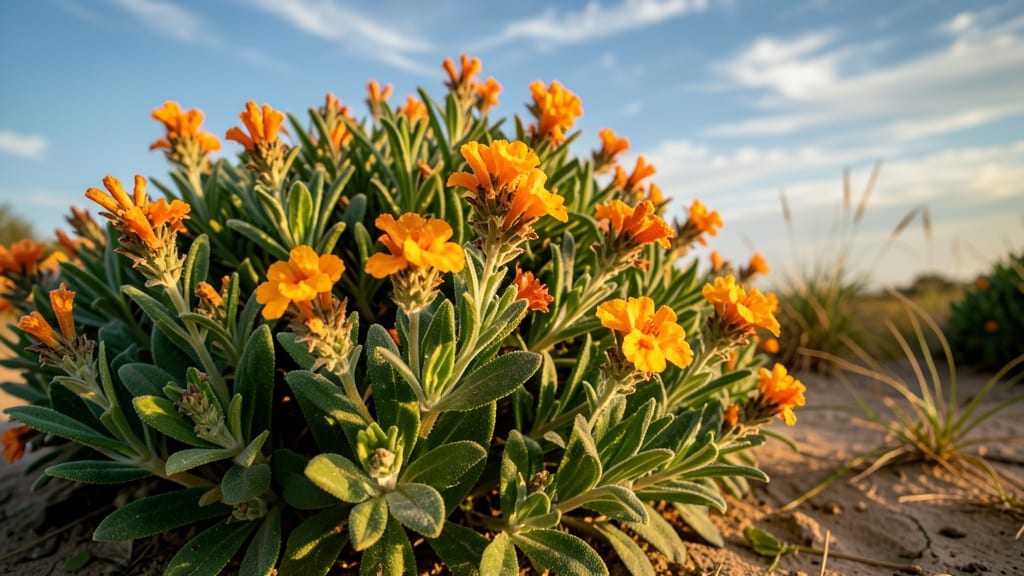
Tired of seasonal flowers that fade too quickly? These ten hardy Texas perennials deliver continuous blooms with minimal maintenance, thriving in the Lone Star State’s heat and humidity without requiring constant deadheading.
Mexican Bush Sage for Drought-Resistant Purple Blooms
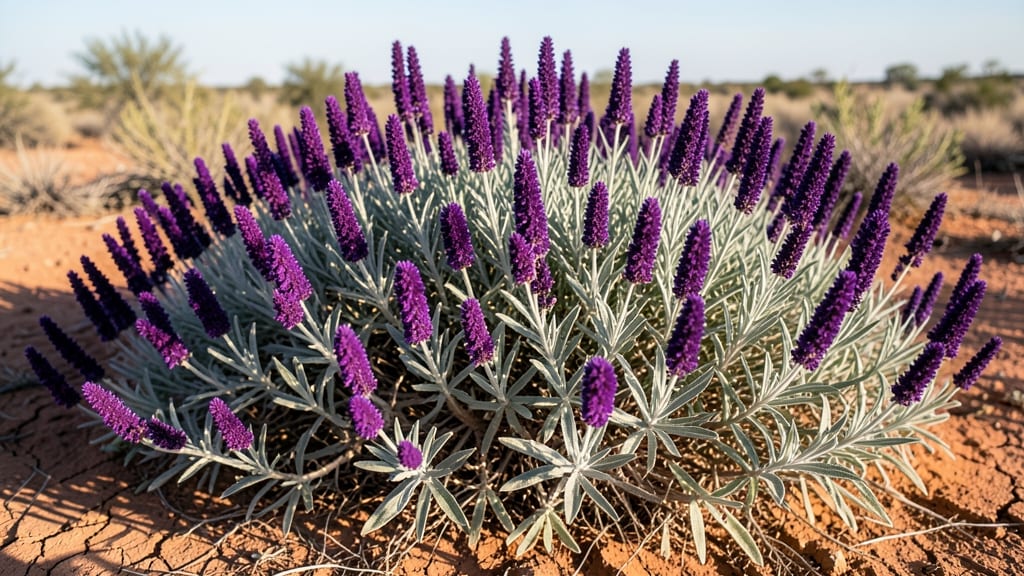
Looking for a zero-maintenance purple powerhouse that thrives in Texas’s brutal sun? Mexican bush sage (Salvia leucantha) delivers velvety purple blooms from late summer through fall—sometimes even into winter—without a single deadhead in sight.
This drought-resistant shrub loves full sun and well-draining soil, making it perfect for rocky landscapes or containers. It’s also a hummingbird magnet, with fuzzy buds that open into striking purple flowers. Unlike fussy perennials, it handles heat, humidity, and even light freezes—ideal for Texas gardeners who want color with minimal effort.
Perfect for pollinator gardens, urban courtyards, or as a focal point in dry beds, this plant proves that beauty and resilience go hand in hand. 🌻
Lantana’s Multicolored Clusters for Butterfly Gardens
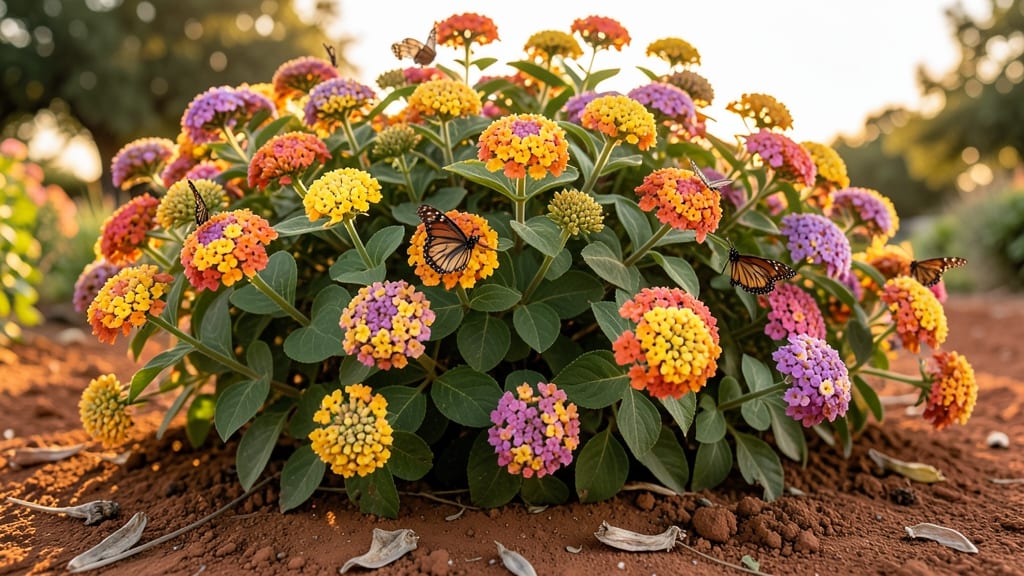
Transform your Texas garden into a butterfly hotspot with lantana, a heat-loving superstar that blooms nonstop in vibrant hues of yellow, orange, pink, and purple. Unlike seasonal flowers, lantana’s clusters change color throughout the year—keeping your landscape lively while requiring almost no maintenance.
This drought-tolerant shrub thrives in full sun and poor soil, making it ideal for urban gardens, rocky slopes, or even containers. Butterflies and bees adore its nectar-rich blooms, and it rarely needs deadheading—just prune lightly after frost to encourage fresh growth. Plant in masses for maximum impact, or mix with succulents for a low-water, high-color landscape.
Perfect for beginners and busy gardeners, lantana delivers year-round color with almost zero effort. 🌻
Salvia Greggii’s Crimson Spikes for Deer Resistance
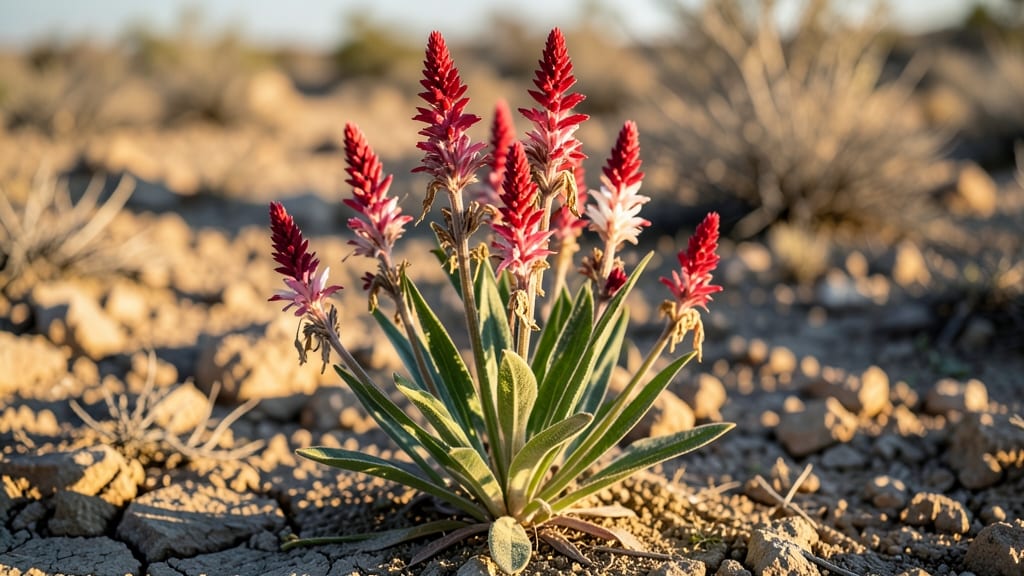
If deer are your garden’s biggest challenge, Salvia Greggii is the plant that says, "Not today." This Texas native thrives on neglect—blooming nonstop in vibrant red, pink, or white spikes without a single deadhead in sight.
Perfect for rocky or poor soil, it’s equally happy in full sun or partial shade and repels deer naturally. Simply plant it once, water occasionally, and watch it reward you with year-round color—no pruning required. Its drought tolerance makes it ideal for water-wise landscapes.
Gardeners in West Texas or rocky hillsides will love how it softens tough terrain while attracting hummingbirds. It’s the ultimate low-maintenance, high-impact choice for problem spots. 🌻
Firebush’s Scarlet Trumpets for Hummingbird Feasts
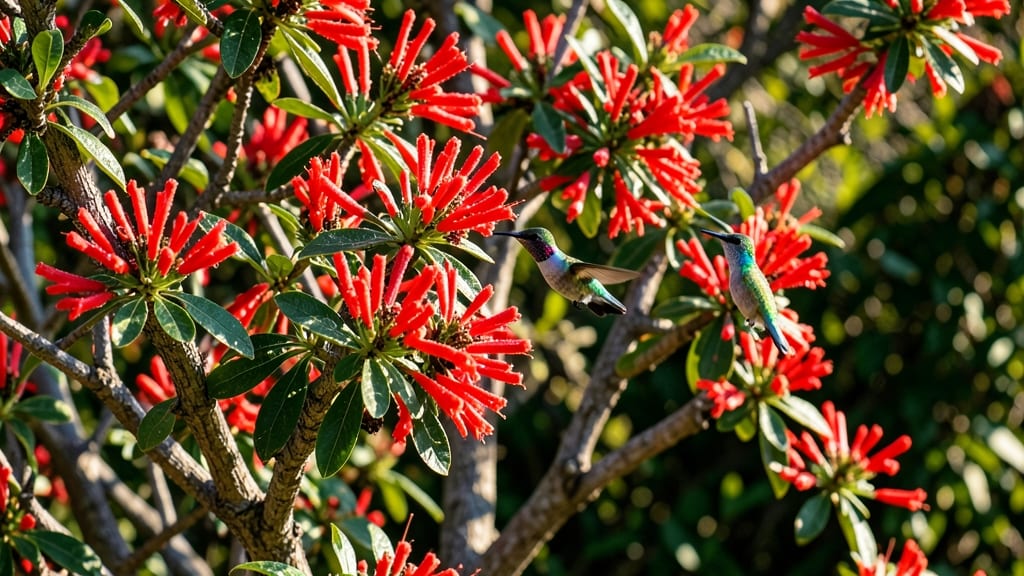
If you’ve ever watched hummingbirds darting like tiny jewels through your yard, firebush (Hamelia patens) is the plant that will make them your permanent guests. Its bright red, tubular flowers bloom continuously from spring through fall—and often into winter in warmer Texas zones—creating a nonstop buffet for these energetic birds.
What makes firebush truly special is its adaptability: it thrives in both wet soil (like rain gardens) and drought conditions, making it a standout for Texas landscapes. This semi-evergreen shrub grows 6–12 feet tall, so it adds height and structure to borders or hedges while requiring minimal pruning. Just be prepared for its vibrant red berries in winter, which birds adore almost as much as the flowers. 🌟
Blackfoot Daisy’s White and Yellow Cheer
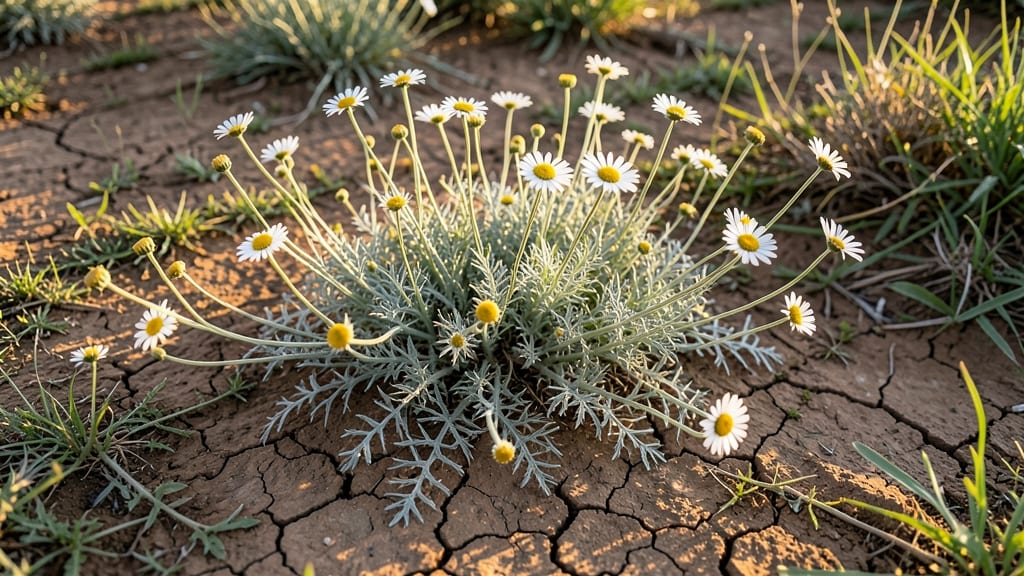
Want a Texas native that spreads effortlessly while brightening your garden with white-and-yellow blooms? The blackfoot daisy (Melampodium leucanthum) is your answer—it thrives in poor soil and doesn’t need deadheading for months of color.
This hardy perennial blooms almost year-round in Texas, handling heat, drought, and even rocky soil with ease. Plant it in full sun for best results, and watch it self-seed to create naturalizing drifts. It’s a favorite of pollinators like bees and butterflies, making it a low-maintenance yet high-impact choice.
Perfect for beginners or busy gardeners, blackfoot daisy adds cheerful color with almost no fuss. 🌻
Zinnias’ Endless Rainbow for Cut Flowers
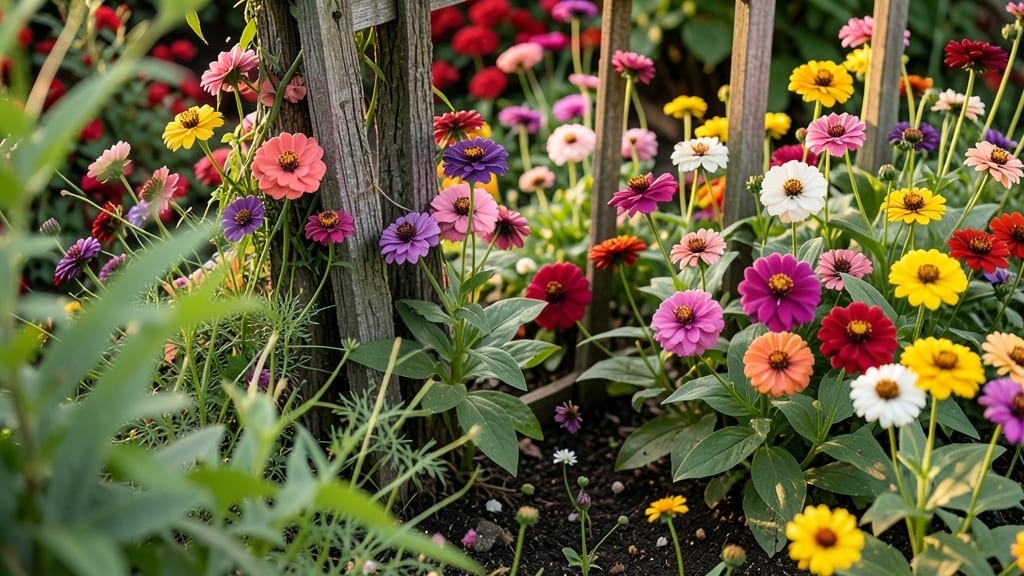
Want a cottage garden bursting with color that practically takes care of itself? Zinnias are Texas’s secret weapon for effortless cut flowers that keep coming back year after year. These fast-growing annuals produce blooms in every color imaginable—from fiery reds to soft pinks—while self-seeding to create next year’s show with almost no effort from you.
Plant zinnias in full sun (they thrive in 6-8 hours of daily sunlight) and watch them bloom within 60 days. Their drought tolerance makes them perfect for Texas’s hot summers, and deadheading spent blooms encourages even more flowers. The best part? You’ll have fresh bouquets for months with minimal care—ideal for beginners or busy gardeners who crave low-maintenance beauty.
Perfect for cottage-style gardens, zinnias also attract butterflies and bees, making them a pollinator-friendly choice. Once established, they’ll spread naturally, giving you a year-round supply of cut flowers with almost no extra work. 🌻
Turk’s Cap’s Star-Shaped Blooms for Shade Tolerance
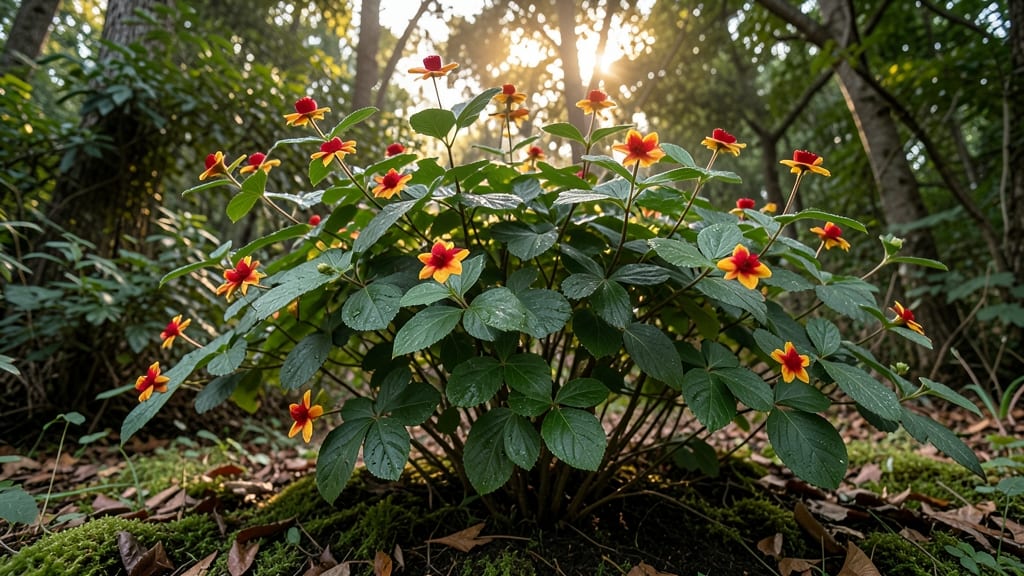
If your East Texas garden has shady spots where most flowers struggle, Turk’s cap (Malvaviscus arboreus) is your secret weapon. This underused native shrub thrives in partial shade, producing striking star-shaped blooms that resemble tiny red-and-yellow hats—hence its name.
What makes it perfect for woodland gardens? It’s drought-resistant once established, deer-resistant, and blooms intermittently year-round (with peak seasons in spring and fall). The glossy leaves add texture, while the flowers attract hummingbirds and butterflies. Simply prune in late winter to shape it, and it rewards you with months of color with almost no effort.
Ideal for gardeners in East Texas woodlands or shaded borders, Turk’s cap brings drama where others fail. It’s the unsung hero for low-maintenance shade gardens. 🌻
Blue Porterweed’s Sky-Blue Clusters for Pollinators
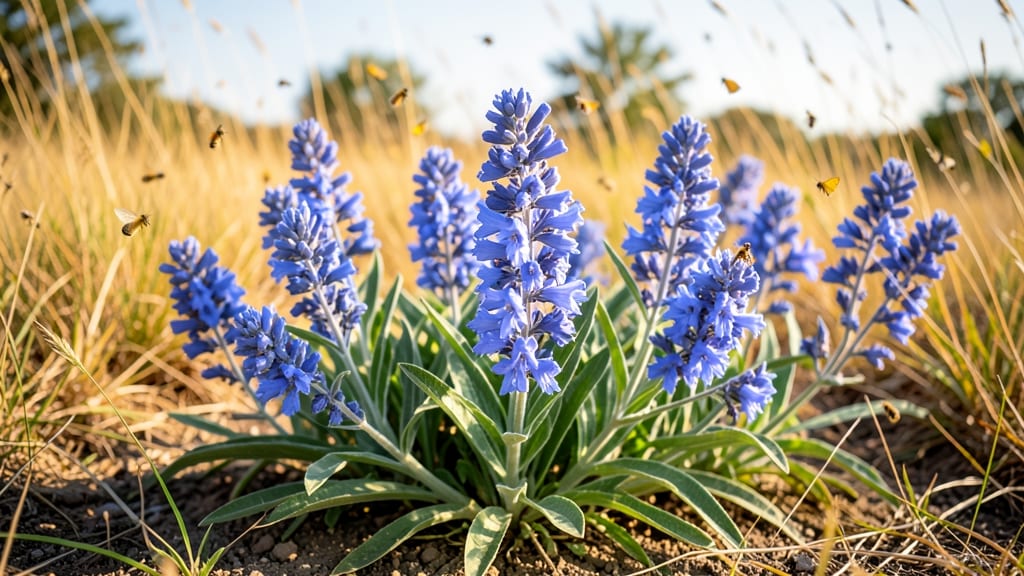
Looking for a Texas native that turns your garden into a pollinator paradise without fuss? Blue porterweed (Stachytarpheta jamaicensis) delivers sky-blue flower clusters that bees and butterflies can't resist—all while thriving in conditions that would stress other plants.
This hardy perennial handles heat, humidity, and poor soil like a champ, blooming nonstop from spring through fall (and sometimes winter in mild climates). Plant it in full sun to partial shade for maximum impact, and watch as it attracts monarchs, swallowtails, and native bees. Unlike fussy annuals, blue porterweed spreads gently, making it perfect for wildflower meadows or cottage gardens.
Ideal for beginners and eco-conscious gardeners, this low-maintenance beauty requires zero deadheading and minimal water once established. Just give it space to roam—it’s the ultimate year-round pollinator magnet for Texas landscapes. 🌿
Mexican Heather’s Lavender Cascade for Container Gardens
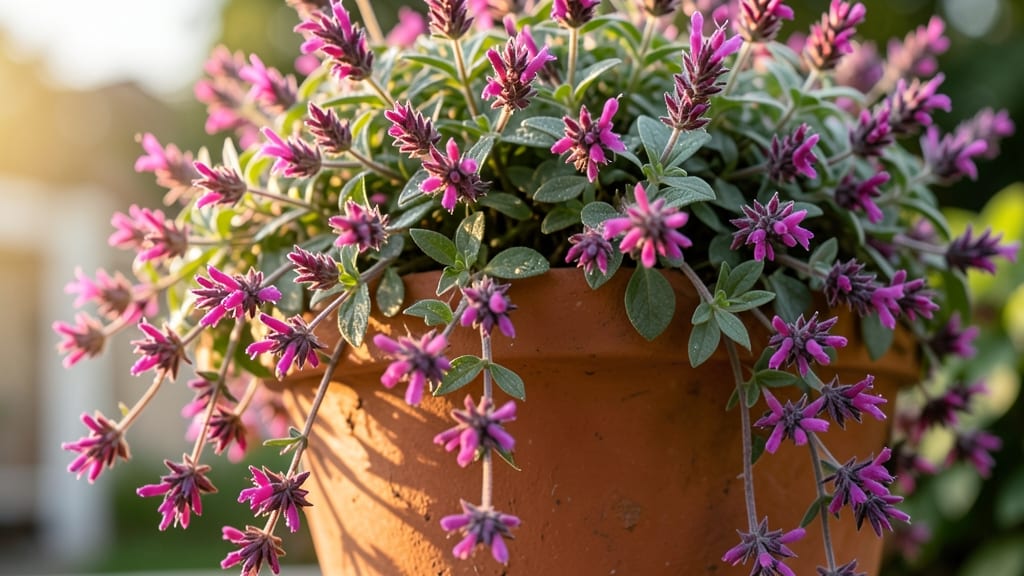
Transform your small-space garden with Mexican heather (Cuphea hyssopifolia), a compact trailing perennial that spills over containers like a purple waterfall. Unlike finicky annuals, this drought-tolerant beauty thrives in full sun while requiring zero deadheading—just plant, water occasionally, and enjoy lavender blooms year-round in Texas’s mild winters.
Perfect for hanging baskets, urban balconies, or window boxes, Mexican heather grows just 12–18 inches tall but trails 2–3 feet, creating a cascading effect. It tolerates poor soil and heat, making it ideal for Texas’s 100°F+ summers without wilting. For best results, pair it with succulents or sedum in containers to reduce watering needs further.
Urban gardeners and balcony growers will love how this self-cleaning plant keeps blooming without fuss—no shearing, no pruning, just easy-care color. Add it to your year-round blooming lineup for effortless elegance. 🌻
Autumn Sage’s Orange-Yellow Blooms for Year-Round Interest

Looking for a Texas native that defies winter’s chill while keeping your garden vibrant? Autumn sage (Salvia greggii) delivers year-round interest with its velvety foliage and cheerful orange-yellow blooms—no deadheading required.
This cold-hardy beauty thrives in full sun to partial shade, handling Texas’s heat and occasional freezes with ease. Its velvety, aromatic leaves add texture, while the flowers attract pollinators like bees and hummingbirds. Plant it in borders, slopes, or rocky beds—it’s perfect for low-maintenance landscapes.
Ideal for beginners and pollinator gardens, autumn sage brings seasonal color without the fuss, making it a standout for Texas landscapes. 🌻