
Blooming
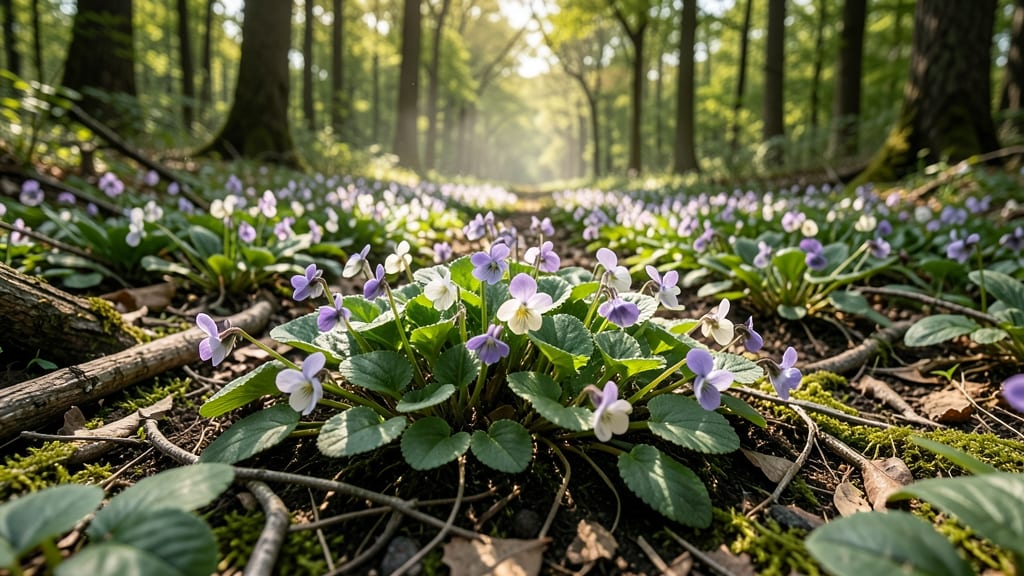
March signals the start of spring’s vibrant awakening, when hardy flowers defy winter’s chill to bring color and life back to gardens. These 10 early bloomers—from delicate wildflowers to bold perennials—ensure your landscape bursts into color before summer’s peak.
Daffodils: Cheerful Yellow Spring Messengers
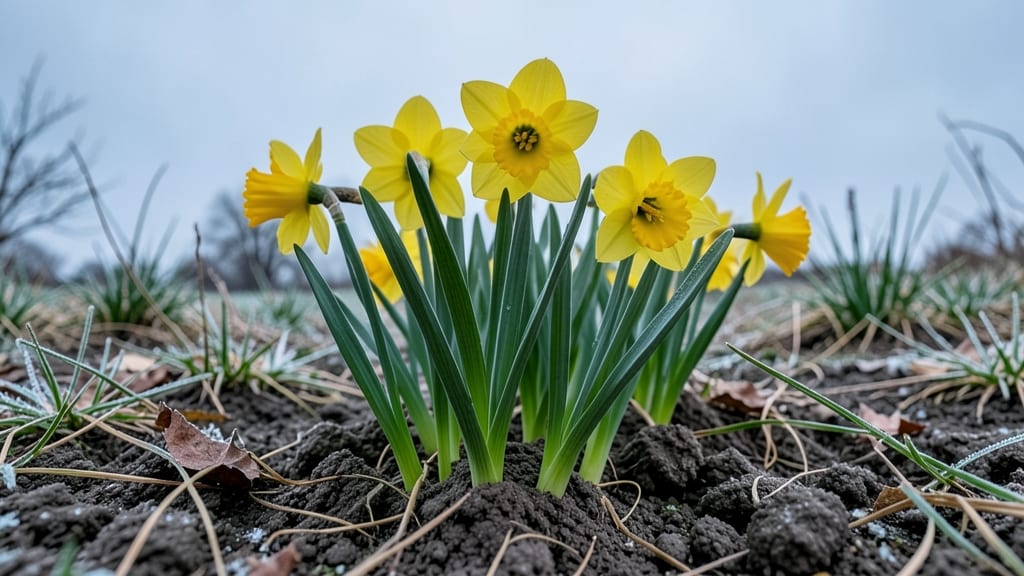
When March’s chill still lingers in the air, daffodils burst through the soil like cheerful yellow beacons, announcing spring’s arrival with minimal fuss. These hardy bloomers thrive in cold climates (USDA zones 3-8) and even tolerate light frosts, making them ideal for early-season color without the drama of other flowers.
Plant bulbs in fall for a year-round show—some varieties bloom in late winter, while others extend into April. Their bright hues lift borders effortlessly, and they’re deer-resistant, so you won’t lose them to hungry critters. For indoor forcing, dig up bulbs in late fall, pot them, and place in a cool, dark spot until stems appear—then move to sunlight for indoor blooms by March.
Perfect for beginners or busy gardeners, daffodils demand almost no care beyond well-draining soil and occasional division every few years. Their symbolism of renewal makes them a heartwarming addition to any garden. 🌻
Crocus: Tiny Purple Jewels of Early Spring
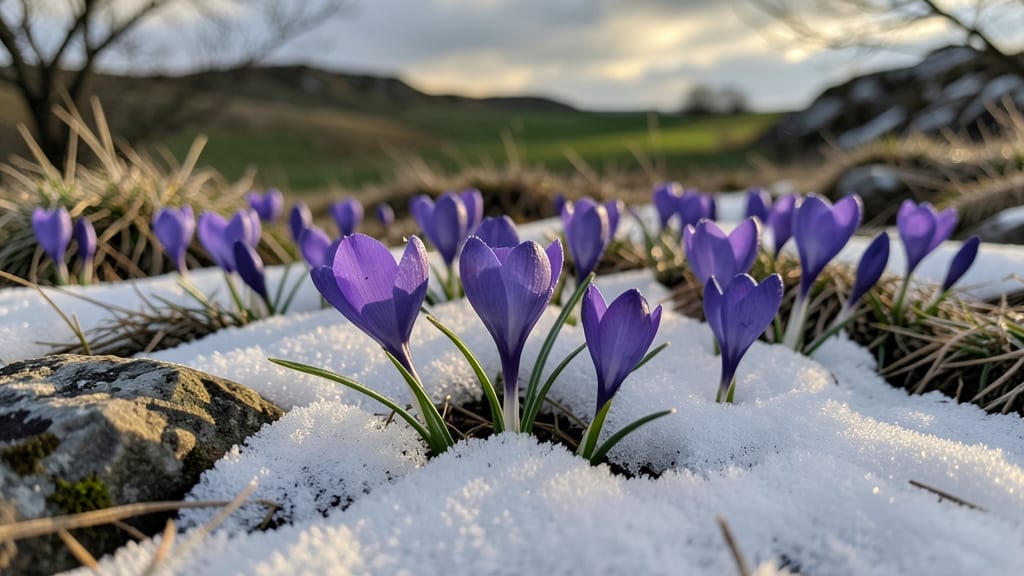
When snow still blankets the ground, crocus blooms prove spring is on its way—emerging as the first purple jewels of early spring. These tiny, hardy flowers thrive in full sun to partial shade, making them perfect for rock gardens, slopes, or meadows where other plants haven’t yet woken up.
Plant crocus bulbs in fall for a surprise burst of color in late winter or early spring, and enjoy their low-maintenance nature—just ensure well-draining soil to prevent rot. Their delicate petals attract early pollinators like bees, turning your garden into a buzzing hub before other flowers appear. 🌷
Snowdrops: Elegant White Harbingers of Spring
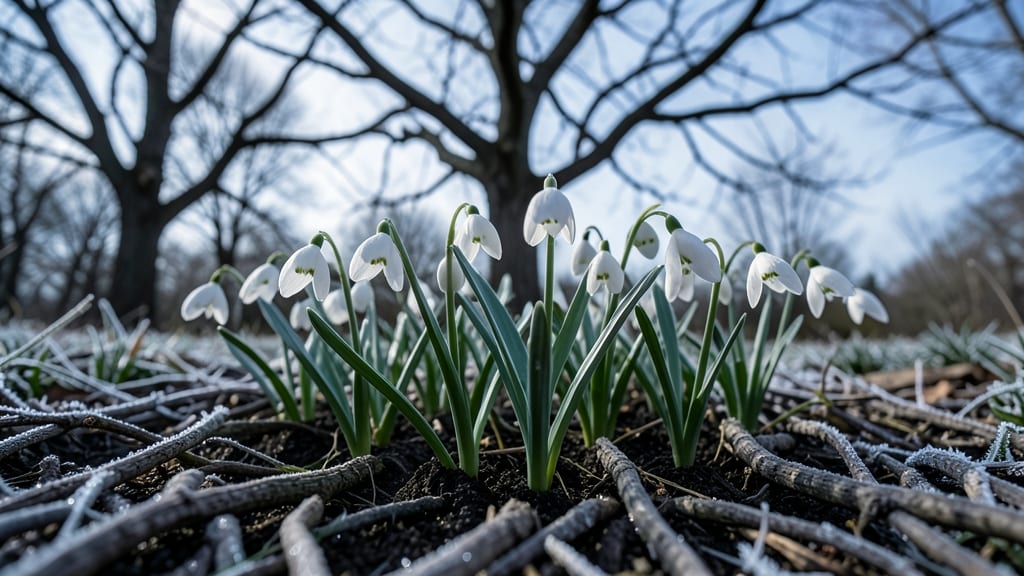
When your garden feels like a winter wasteland, snowdrops arrive like silent messengers of hope, their delicate white bells pushing through frost-covered soil. These mystical bloomers thrive in spots where most flowers refuse to grow—deep shade under trees or the darkest corners of your yard—making them perfect for woodland gardens.
Plant snowdrop bulbs in fall (they prefer moist, well-draining soil) and watch them emerge as early as late winter, often before snow melts. Their frost-resistant nature means they’ll bloom reliably year after year with almost no care, rewarding you with clusters of elegant, nodding flowers that dance in the breeze. Pair them with hellebores or bleeding hearts for a dreamy understory effect.
These flowers hold deep symbolic meaning—often called "hope blooms"—and are ideal for gardeners who love low-maintenance, shade-tolerant plants. Even urban gardeners with limited sun can enjoy their magic in containers or along shady fences. 🌱
Pansies: Colorful Faces for Cool-Weather Gardens
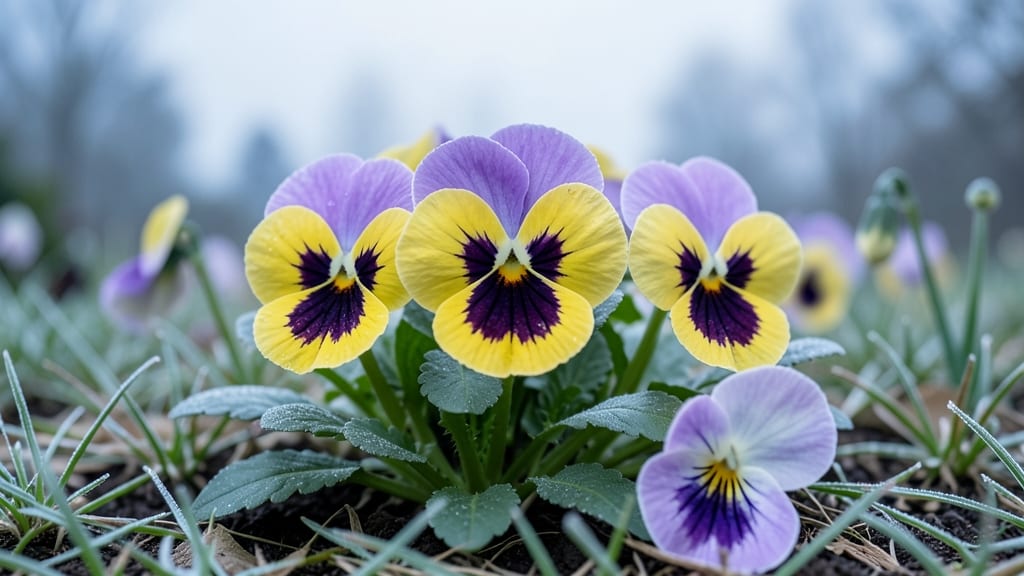
March’s cool mornings call for flowers that refuse to wait for summer—and pansies deliver with their bold, three-toned faces that seem to smile back at you. These frost-resistant annuals aren’t just pretty; their petals are edible, adding a peppery, slightly sweet flavor to salads or garnishes, making them a dual-purpose garden star.
Plant pansies in well-draining soil with 4-6 hours of sun (they tolerate partial shade too), and they’ll reward you with blooms from early spring through fall. Their whimsical patterns—like tiny faces with eyes, noses, and mouths—make them perfect for edging borders or spilling over containers. Deadhead spent blooms to encourage more flowers, and watch them thrive even when temperatures dip below freezing.
Urban gardeners and beginners will love how easy pansies are to grow—just sprinkle seeds or transplant young plants, and they’ll fill gaps where winter crops have faded. Their year-round color (with proper care) ensures your garden stays lively long after other flowers call it quits. 🌷
Bleeding Heart: Romantic Pink Cascades
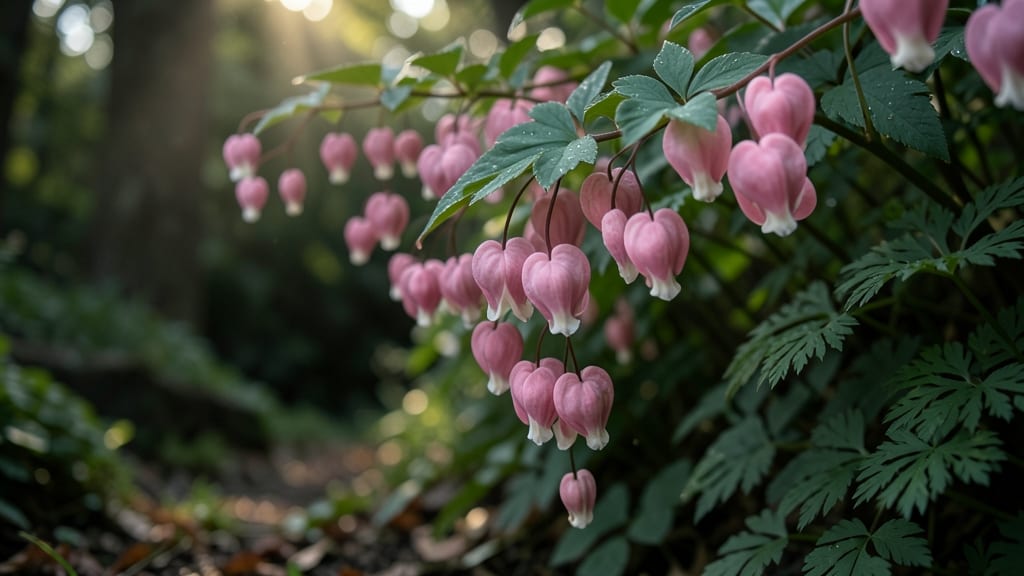
Transform shady corners into dreamy focal points with bleeding heart (Dicentra spectabilis), a March-blooming perennial that thrives where sunlight is scarce. Its cascading clusters of heart-shaped pink flowers create a romantic, almost whimsical display that’s perfect for understory planting or woodland gardens.
This shade-lover prefers partial to full shade and moist, well-draining soil—ideal for planting near trees or along north-facing walls. Stake the delicate stems early to prevent flopping, and deadhead spent blooms to encourage a second flush in late summer. While it’s not frost-tolerant, its early spring bloom often appears just as other perennials are waking up.
Bleeding heart is a must-have for gardeners who love vertical drama without the sun requirements of most flowering plants. Pair it with hostas or ferns for a lush, layered look that feels straight out of a storybook. 🌷
Hyacinth: Fragrant Purple Spikes of Color
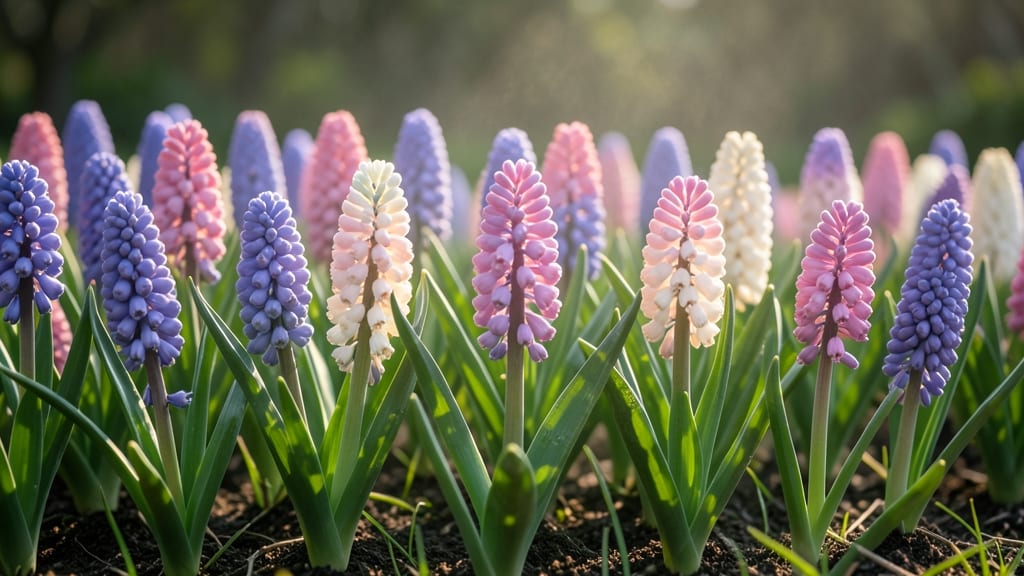
Imagine stepping into your garden in March and being greeted by a wave of intoxicating fragrance before you even see the flowers. Hyacinths deliver this sensory experience with their dense, fragrant spikes that bloom reliably in early spring, making them a must-have for small spaces where scent can be fully appreciated.
These drought-tolerant bulbs thrive in full sun to partial shade and prefer well-drained soil, making them ideal for containers or garden borders. Plant them in fall for a March show that lasts 2-3 weeks, with varieties like 'Annette' and 'Woodstock Purple' offering the most potent fragrance. Deadhead spent blooms to encourage a second flush in some climates.
Perfect for urban gardeners or anyone with limited space, hyacinths pack a punch of color and aroma without requiring much room. Their vertical growth habit also makes them great for adding height to small pots or window boxes. 💚
Hellebores: Lace-Like Winter Roses
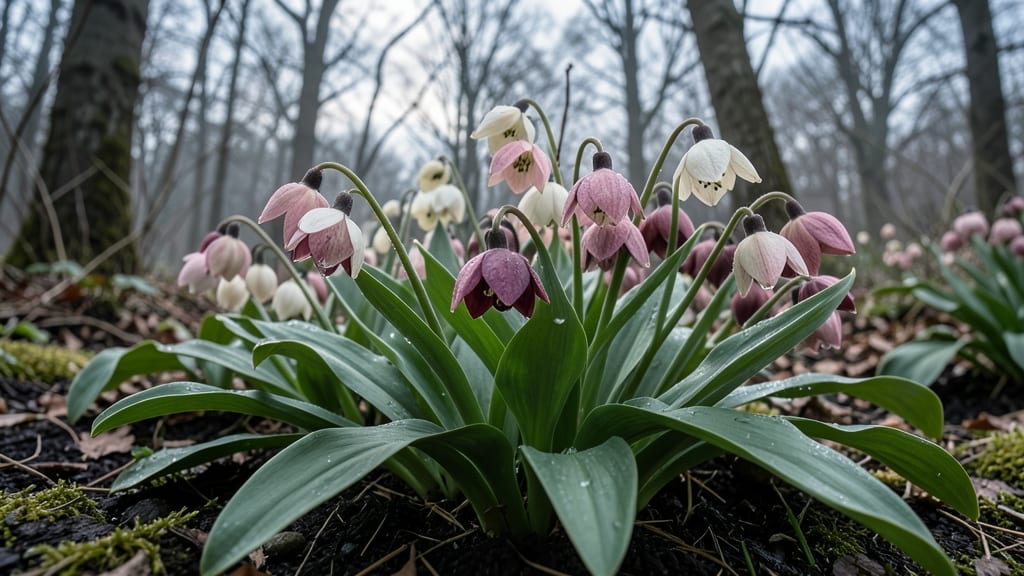
When your garden feels dormant in late winter, hellebores step in as nature’s unsung heroes, blooming when most plants still slumber. These evergreen perennials produce delicate, nodding flowers that resemble intricate lacework, adding texture and charm to shady corners where few other plants thrive.
Thriving in partial to full shade, hellebores tolerate moist, well-drained soil and even light frost—making them ideal for woodland gardens or under trees. Their unique, upward-facing blooms come in shades of white, pink, purple, and green, often lasting from late winter through early spring. Deadhead spent flowers to encourage more blooms, and divide clumps every 3-4 years to maintain vigor.
Perfect for cottage gardeners or those with limited sun, hellebores offer year-round interest with their glossy foliage and early blooms. They’re also deer-resistant, making them a low-maintenance choice for busy gardeners. 🌿
Primroses: Whimsical Clusters in Pastel Shades
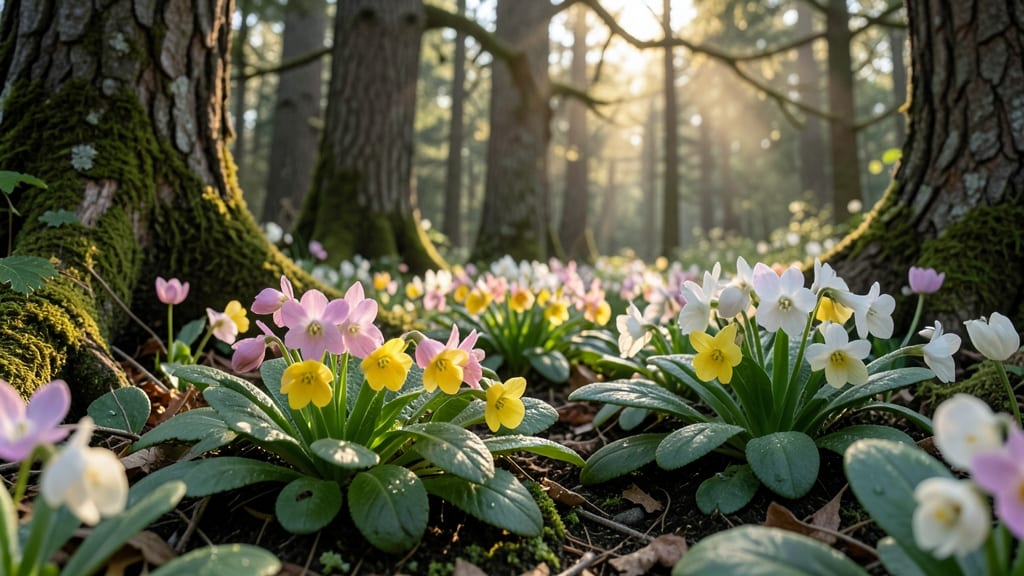
Transform your shady garden corners into a fairy-tale scene with primroses, nature’s tiny pastel masterpieces. These low-growing perennials bloom in March with delicate clusters of pink, yellow, and white, thriving where other flowers fear to tread—moist, dappled shade under trees or along woodland edges.
Primroses love consistently moist (not soggy) soil and partial shade, making them ideal for underplanting shrubs or lining garden paths. Their charming, face-like blooms attract early pollinators like bees and butterflies, while their long bloom season (March through May) ensures continuous color. Deadhead spent flowers to encourage more blooms and protect them from slugs with organic barriers.
Perfect for beginners or whimsical gardeners, primroses bring magic to small spaces—whether tucked into fairy gardens, rock crevices, or containers. Their effortless charm makes them a must-have for shade lovers craving early spring color. 🌷
Lungwort: Unique Spotted Leaves with Blue Flowers
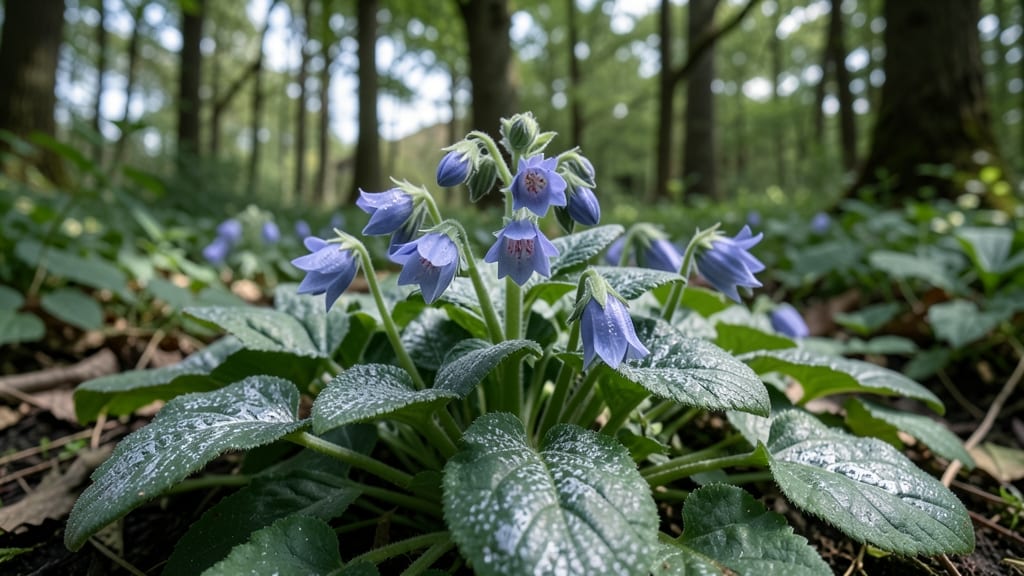
If you're looking to add medicinal beauty to your shade garden, lungwort (Pulmonaria) is a standout choice with its silver-spotted foliage and delicate blue-purple blooms. This hardy perennial thrives where others struggle, making it perfect for woodland gardens or understory plantings.
Lungwort blooms in early spring, offering nectar-rich flowers that attract bees and butterflies before many other plants even emerge. Its unique foliage—covered in silvery spots that fade as the season progresses—adds striking texture to borders. Plant it in partial to full shade with moist, well-draining soil for best results.
This low-maintenance plant is ideal for beginner gardeners and pollinator enthusiasts alike, providing both beauty and ecological benefits. 🌿
Violets: Tiny Wildflowers with Big Personality

If you're looking for a low-maintenance ground cover that spreads effortlessly while welcoming early pollinators, violets are your perfect March allies. These tiny wildflowers thrive in partial shade, making them ideal for forest edges or woodland gardens where other plants struggle.
Native violets produce early nectar for bees and butterflies, giving them a head start in the spring. Their heart-shaped blooms come in shades of purple, white, and yellow, adding rustic charm to meadows or garden borders. Simply scatter seeds in fall or divide established clumps in early spring for effortless propagation.
Perfect for beginners or gardeners seeking natural beauty with minimal effort, violets create lush carpets that suppress weeds while supporting local ecosystems. 🌿