
Blooming
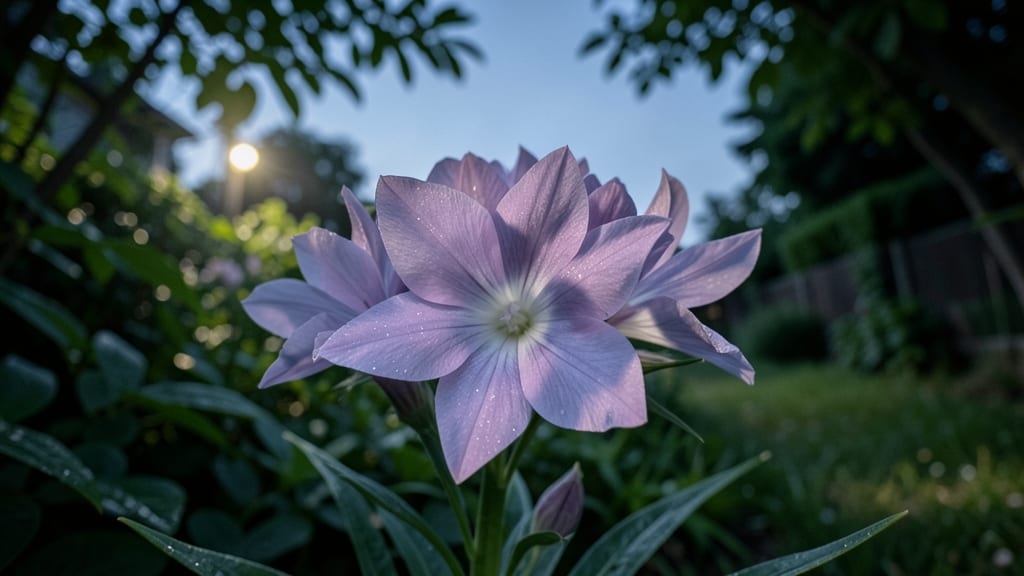
Some flowers defy the sun’s schedule, revealing their delicate petals only when the moon takes center stage. These nocturnal bloomers captivate with their mysterious allure and unique adaptations—perfect for gardeners seeking rare, enchanting plants that transform night gardens into magical landscapes.
Moonflower Vine with Fragrant White Blooms
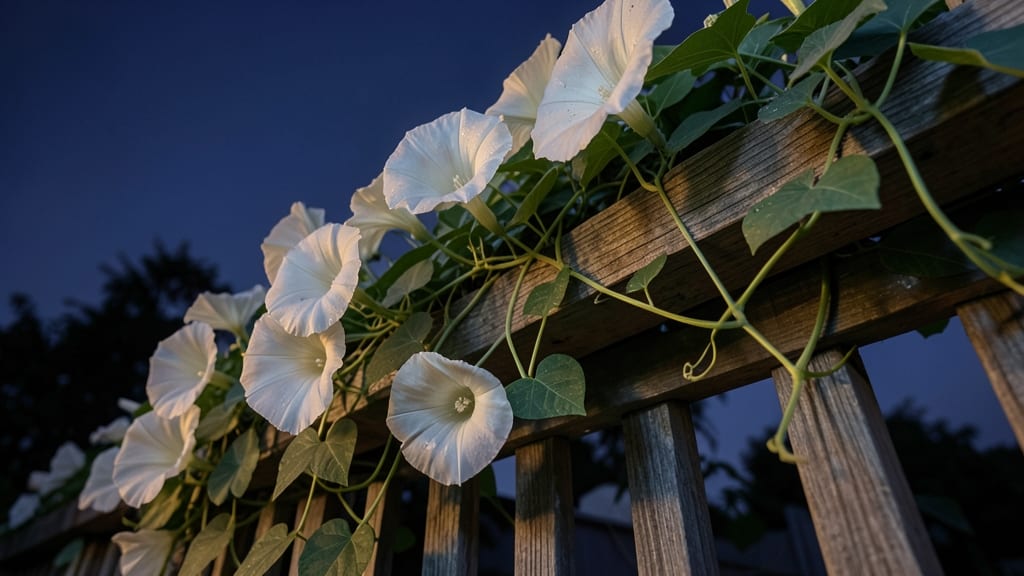
Transform your garden into a moonlit sanctuary with the moonflower vine (Ipomoea alba), a fast-growing annual that unfurls its creamy-white, velvety blooms only after sunset. This night-blooming beauty releases a sweet vanilla fragrance that fills the evening air, making it a star for trellises, arbors, or even container gardens.
Moonflowers thrive in full sun to partial shade and grow rapidly, climbing up to 15 feet in a single season. Plant seeds directly in well-draining soil after the last frost, and watch them produce 6-inch-wide flowers within 60-90 days. Deadhead spent blooms to encourage more flowers, and provide a sturdy support structure for their vigorous growth.
Perfect for gardeners who love low-maintenance drama, moonflowers are especially magical in small spaces or urban balconies. Their ephemeral beauty and intoxicating scent make evening strolls unforgettable. 🌻
Queen of the Night Cactus
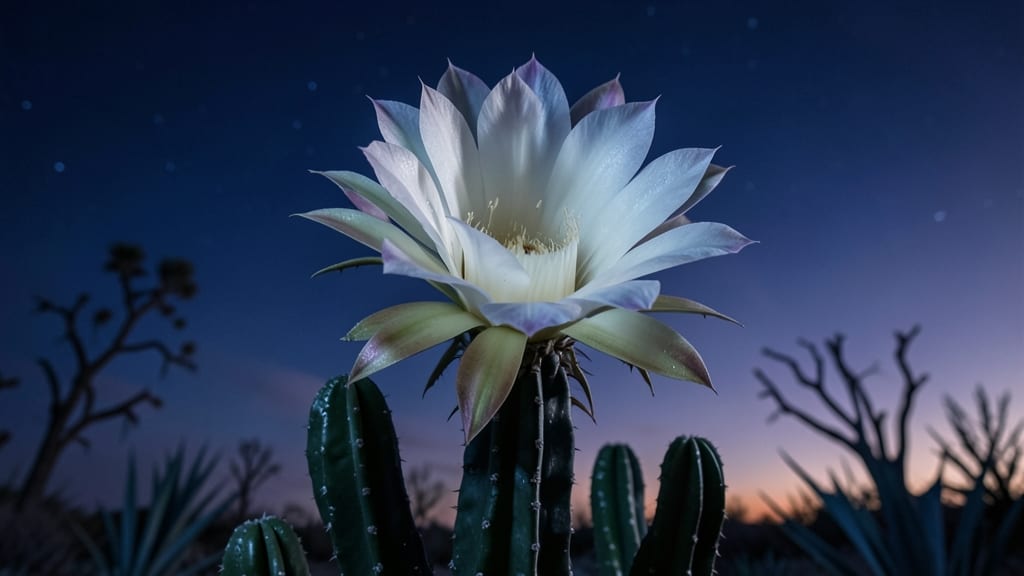
Imagine a cactus that waits a decade or more just to bloom—then unfurls a massive, fragrant white flower in a single, magical night. The Queen of the Night Cactus (Selenicereus grandiflorus) is nature’s rarest spectacle, a succulent so elusive that even experienced collectors may never witness its bloom.
Native to Mexico and Central America, this cactus thrives in bright indirect light and well-draining soil, mimicking its desert origins. Unlike most plants, it stores water in its thick stems, making it drought-tolerant once established. The bloom itself—up to 12 inches wide—emits a sweet, intoxicating scent that peaks after sunset, attracting nocturnal pollinators like moths.
This cactus is ideal for patience-testing collectors or those with greenhouses, as it requires warmth (70–85°F) and humidity to trigger blooming. Plant it in containers for easy rotation to maximize sunlight exposure, and be prepared for the thrill of a lifetime. ✨
Evening Primrose with Golden Petals
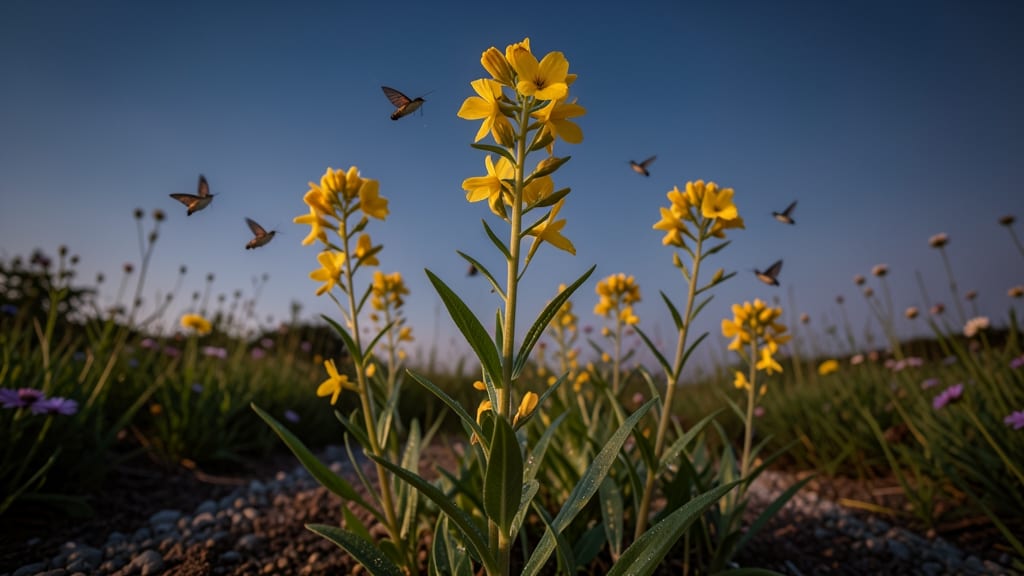
Want a pollinator magnet that thrives on effortless charm? The evening primrose (Oenothera biennis) opens its golden-yellow blooms precisely at dusk, turning your garden into a moth and hummingbird buffet—all while requiring almost no fuss from you.
This hardy perennial flourishes in full sun to partial shade and tolerates poor soil, making it ideal for beginners or neglected patches. Its self-seeding habit ensures year-after-year blooms, while its drought-resistant roots make it perfect for low-water landscapes. Just deadhead spent flowers to encourage more blooms.
Perfect for cottage gardens, meadows, or even container edges, evening primrose brings nocturnal beauty without the upkeep of rarer night bloomers. 🌻
Night-Blooming Jasmine with Intoxicating Scent
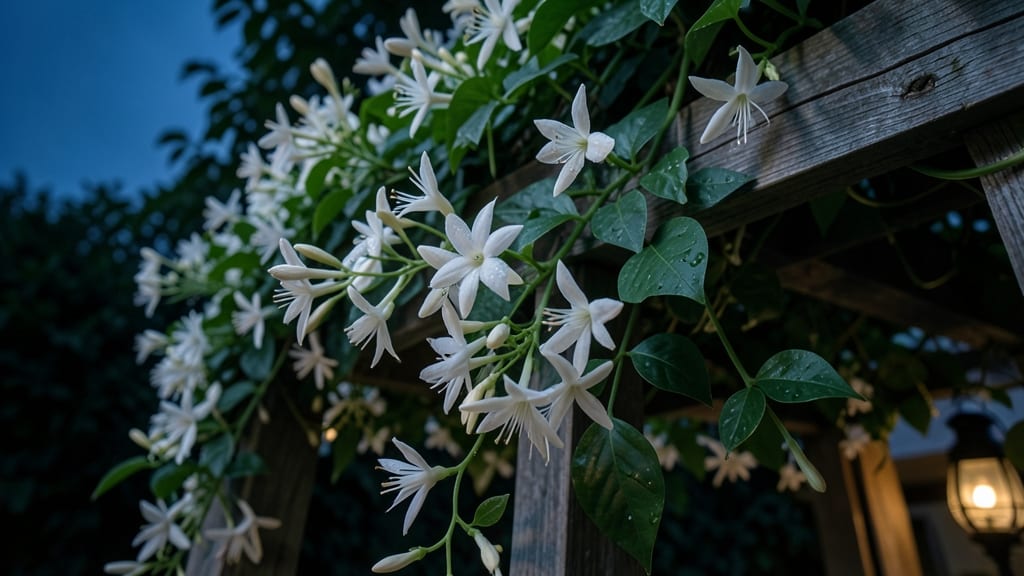
Transform your evening garden into a fragrant oasis with night-blooming jasmine (Jasminum sambac), a climbing vine that releases its most intoxicating scent after dark. Unlike daytime bloomers, this tropical beauty unfurls delicate white flowers that perfume the air with a sweet, heady aroma—perfect for creating a romantic atmosphere on balconies or trellises.
Plant your night-blooming jasmine in well-draining soil with partial shade to full sun (6+ hours of light), and provide a sturdy trellis or fence to support its vigorous growth. Prune lightly after flowering to encourage bushier growth, and water regularly during dry spells. The vine thrives in USDA zones 9-11 but can be grown in containers and overwintered indoors in cooler climates.
This fragrant climber is ideal for urban gardeners with limited space or anyone who loves sensory gardens. Its evening fragrance will turn nighttime strolls into magical experiences. 🌿
Four O’Clock Flower with Vibrant Colors
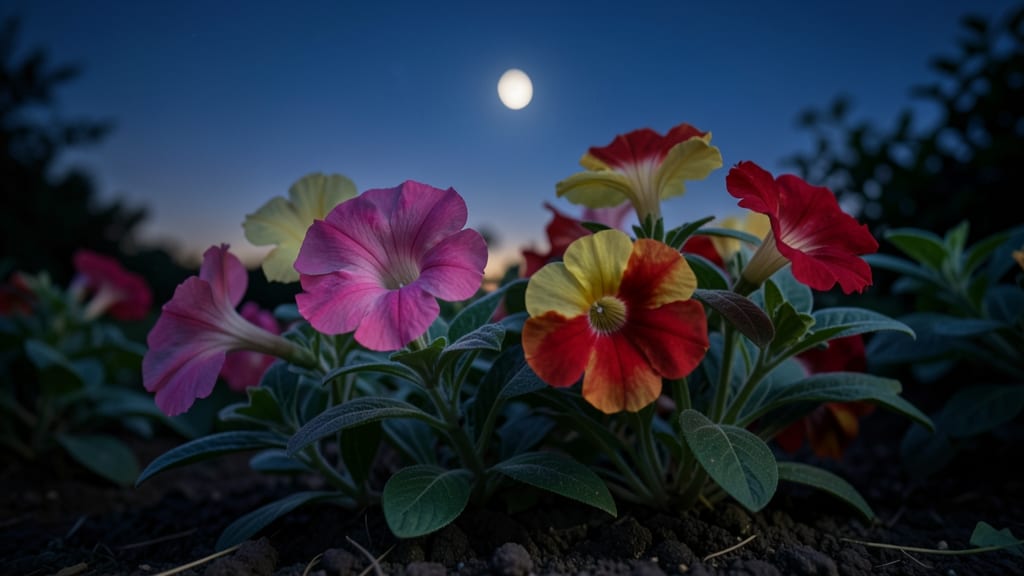
If you love a garden that comes alive after dark, the four o’clock flower (Mirabilis jalapa) is your secret weapon. This cheerful annual unfurls its vibrant blooms—pink, red, or yellow—in perfect sync with the clock, opening reliably at 4 PM and staying open until morning.
Thriving in both containers and borders, it’s a low-maintenance choice that tolerates partial shade to full sun and even handles drought once established. Deadhead spent blooms to encourage more flowers, and watch as hummingbirds and moths visit your evening garden. The plant’s tuberous roots make it easy to overwinter in mild climates.
Perfect for beginners or urban gardeners with limited space, this flower adds bold color without the fuss. Plant it near seating areas to enjoy its nocturnal show up close. 🌻
Angel’s Trumpet with Trumpet-Shaped Blooms
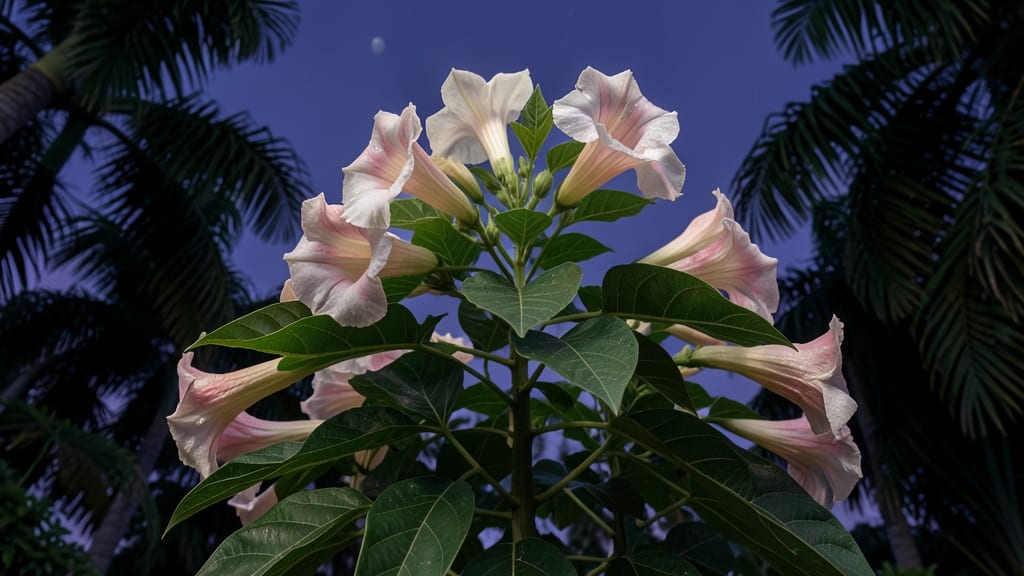
Transform your garden into a tropical oasis with angel’s trumpet, a stunning shrub whose trumpet-shaped blooms unfurl after sunset, filling the air with a rich, musky fragrance that’s irresistible to evening strollers. Unlike its daytime counterparts, this plant thrives in the warmth and humidity of summer nights, making it a star for greenhouses or humid climates.
Plant in well-draining soil with partial shade to protect its glossy leaves from harsh afternoon sun, and water consistently to maintain moisture—though avoid soggy roots. The blooms, often white or pale yellow with a golden throat, can reach up to 12 inches long, creating a dramatic focal point. Prune lightly after flowering to encourage bushier growth, and watch as moths and hummingbirds flock to its nocturnal banquet.
Greenhouse enthusiasts and tropical gardeners will adore this plant for its dramatic foliage and intoxicating scent, while urban gardeners in warm zones can grow it in large containers. Just be aware of its mild toxicity—wear gloves when handling. 🌿
Evening Snapdragon with Fragrant Spikes
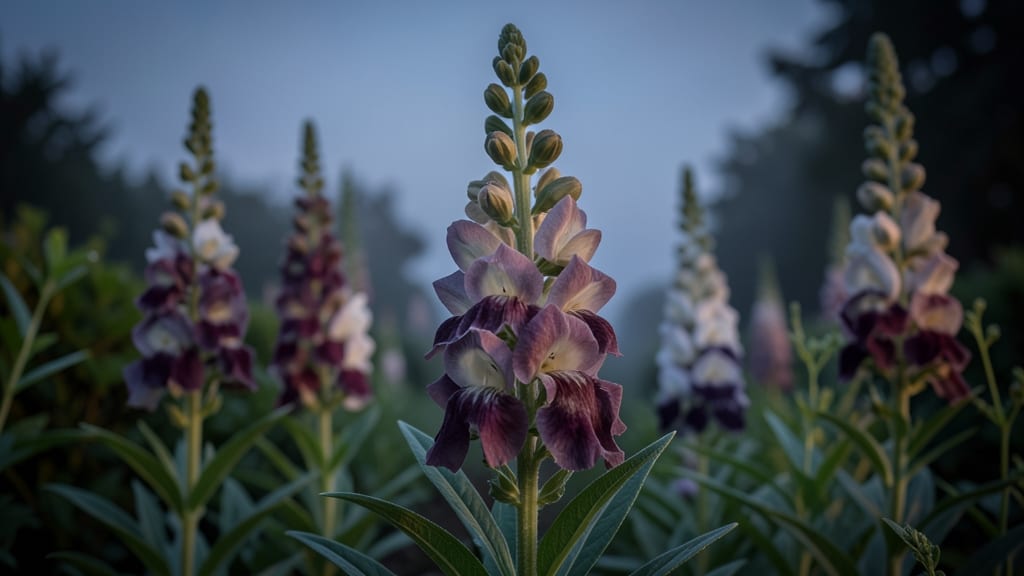
Transform your garden into a fragrant twilight haven with evening snapdragons, a lesser-known cousin of daytime snapdragons that unfurls its velvety blooms after sundown. Unlike their daytime relatives, these spikes release a honey-like scent that peaks at night, making them a secret weapon for cottage gardens or cut-flower arrangements with a moonlit glow.
Grow them in well-drained soil with full sun to partial shade, as they thrive in cooler evenings—ideal for USDA zones 7-10. Plant seeds directly outdoors after the last frost or start indoors 8-10 weeks early. Their lavender or white spikes (6-12 inches tall) add vertical interest while attracting nocturnal pollinators like moths, creating a self-sustaining ecosystem.
Perfect for beginners or gardeners craving sensory gardens, evening snapdragons offer year-round interest when paired with other night bloomers. Their delicate scent and striking form make them a standout for bouquets or garden borders that come alive after dark. 🌷