
Blooming
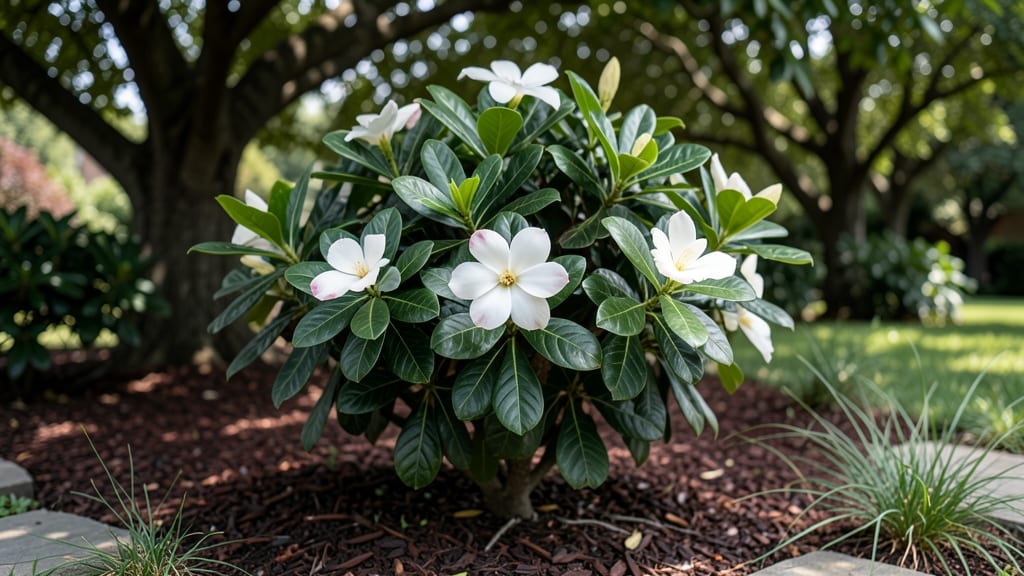
Gardenia blooms in Florida between March and July, when the heat hits just right—but the exact timing depends on your variety and where you live in the state.
Florida gardeners eagerly await that first whiff of gardenia perfume 🌸, but the blooms don’t arrive on a strict schedule. Some varieties, like 'Radicans,' start as early as February in South Florida’s warmer zones, while others, like 'Kleim’s Hardy,' may wait until June.
The key? Consistent warmth (above 80°F) and the right care.
If you’ve ever planted gardenias only to be met with buds that refuse to open, you’re not alone. These tropical beauties need acidic soil, partial shade, and deep watering to trigger those fragrant blooms. Without the right conditions, even the most patient gardener might miss the show.
In this guide, I’ll break down the month-by-month bloom windows, how Florida’s heat zones shift timing, and 5 simple care tweaks to coax your gardenias into full, fragrant bloom—so you’re never left sniffing empty air again.
Florida gardenia bloom seasons: month-by-month heat triggers & ideal conditions
Florida’s gardenias are famous for their creamy white blooms and intoxicating fragrance, but their bloom timing varies dramatically across the state. Unlike many plants, gardenias respond directly to heat, with 80°F+ temperatures acting as their primary bloom trigger.
In North Florida (Zones 8-9), blooms often start as early as March, while in South Florida (Zones 10-11), they may not peak until June or July.
The key difference lies in Florida’s heat zones: North Florida gardeners experience cooler winters that delay bud formation, while South Florida’s consistent warmth can extend blooming into summer. Even within the same region, microclimates—like coastal areas vs. inland—can shift bloom windows by 2-4 weeks.
Here’s how to predict your gardenia’s bloom season based on temperature thresholds, variety, and location:
| Month | North Florida (Zones 8-9) | South Florida (Zones 10-11) | Heat Trigger | Ideal Conditions |
|---|---|---|---|---|
| March | Early buds form (60-70°F nights) | Budding begins (70-80°F) | 50°F+ daytime temps | Partial shade, acidic soil (pH 5.5-6.5) |
| April | Peak bloom (80°F+ days) | First blooms open | 75°F+ consistent temps | Morning sun, afternoon shade |
| May | Secondary bloom wave | Full bloom (85°F+) | 90°F+ humidity spike | Increase watering (1-2 gallons/week) |
| June | Blooms taper (heat stress) | Late bloomers peak | 95°F+ can reduce blooms | Prune spent blooms, mulch |
| July | Minimal blooms (heat dormancy) | Fewer blooms (high humidity) | Reduced sunlight hours | Light fertilizer (acidic blend) |
For North Florida gardeners, the 'Radicans' variety is a standout early bloomer, often producing fragrant blooms by late March. This variety thrives in cooler microclimates like the Panhandle, where mild winters encourage earlier bud formation.
In contrast, 'Kleim’s Hardy'—a cold-tolerant hybrid—typically blooms 2-3 weeks later, making it ideal for Zone 8a areas where frost risk lingers.
In South Florida, heat-loving varieties like 'Veitchii' and 'Fortuniana' dominate, with blooms stretching from April through July. The 90°F+ temperatures in Miami and the Keys actually enhance fragrance intensity, though they may reduce bloom quantity during peak summer heat.
If your gardenia struggles in South Florida’s humidity, consider raising it slightly to improve air circulation and reduce fungal stress.
The biggest misconception about Florida gardenias is that they bloom only once. In reality, many varieties—especially 'Cobb’s Cream'—produce two bloom cycles: one in spring and a lighter one in fall.
To encourage this, prune lightly after the June blooms and feed with acidic fertilizer in August. This triggers late-season buds that often open in October or November.
One pro tip for Florida gardeners is to monitor your gardenia’s leaf color: dark green leaves with a glossy sheen signal optimal conditions, while yellowing leaves (common in alkaline soil) can delay blooms by 3-4 weeks.
If your soil pH is above 6.5, amend it with peat moss or sulfur to restore acidity. This simple adjustment can shift bloom timing by up to a month in some cases.
Finally, watering habits play a surprising role in
How to predict gardenia blooms in Florida: 5 key factors that shift timing
Predicting when your gardenias will bloom in Florida isn’t just about waiting for spring—it’s about understanding how your specific variety, soil conditions, and even pruning habits create the perfect bloom trigger.
While most gardenias follow a spring-to-early-summer schedule, factors like soil acidity or sunlight exposure can shift that window by weeks. For example, 'Veitchii' often blooms earlier than 'Fortuniana', and a pH reading of 6.5 instead of 5.5 could delay buds entirely.
If you’ve planted gardenias in Florida but haven’t seen blooms yet, don’t panic—your plant might just need a tweak in one of these five critical areas.
Whether you’re in North Florida’s cooler zones or South Florida’s heat, these adjustments can help synchronize your gardenia’s bloom cycle with Florida’s unique climate patterns. Let’s break down the science behind timing so you can enjoy those fragrant blooms right on schedule.
🌸 5 Factors That Shift Gardenia Bloom Timing in Florida
- Variety Matters: 'Veitchii' blooms March–April, while 'Kleim’s Hardy' waits until May–June. Check your plant tags!
- Soil pH: Gardenias crave acidic soil (pH 5.0–6.0). Test your soil—if it’s above 6.5, blooms may never form.
- Sunlight Balance: Morning sun + afternoon shade triggers blooms. Harsh afternoon sun can burn buds before they open.
- Pruning Timing: Prune right after blooming (not in fall) to encourage next year’s buds. Cutting too late delays spring flowers.
- Heat Triggers: Gardenias need consistent warmth (above 70°F) to set buds. A cold snap in January–February can reset the bloom cycle.
Let’s start with the most overlooked factor: variety-specific timing. While gardenias generally bloom from March to June, some varieties like 'Radicans' can start as early as February in South Florida, while 'Cobb’s Cream' might wait until late April.
If you’re in North Florida, cooler winters can push blooms back until May. Always cross-reference your plant’s label with Florida’s USDA zones 9a–11 to set realistic expectations.
Next up is soil pH, the silent bloom killer. Gardenias are acid-loving plants, and a pH reading above 6.5 can prevent buds from forming entirely. Use an acid-loving plant fertilizer (like 8-3-9 NPK) in spring and fall to maintain the ideal pH 5.0–6.0.
A quick soil test kit (available at garden centers) will tell you if your soil is too alkaline—if it is, amend with peat moss or sulfur before buds appear.
Sunlight exposure is another game-changer. Gardenias thrive on morning sun and afternoon shade, especially in Florida’s intense afternoon heat. If your plant is getting harsh sun all day, buds may form but then scorch before opening.
Try moving potted gardenias to a shadier spot or prune nearby trees to filter light. For in-ground plants, a lightweight shade cloth (30–50%) can protect buds during peak heat.
Finally, don’t underestimate the power of pruning. Prune your gardenia right after blooming season (June–July) to shape the plant and encourage next year’s buds. Avoid heavy pruning in fall or winter, as this can delay spring blooms.
Use clean, sharp shears to cut back overgrown branches by about one-third, and always remove any dead or diseased wood to keep the plant healthy and blooming.
With these five factors in check, your gardenias will bloom right on schedule—turning your Florida garden into a fragrant paradise. Keep an eye on those buds in late winter, and soon you’ll be rewarded with months of intoxicating white blooms that attract hummingbirds and fill the air with sweetness.
Happy gardening! 🌸