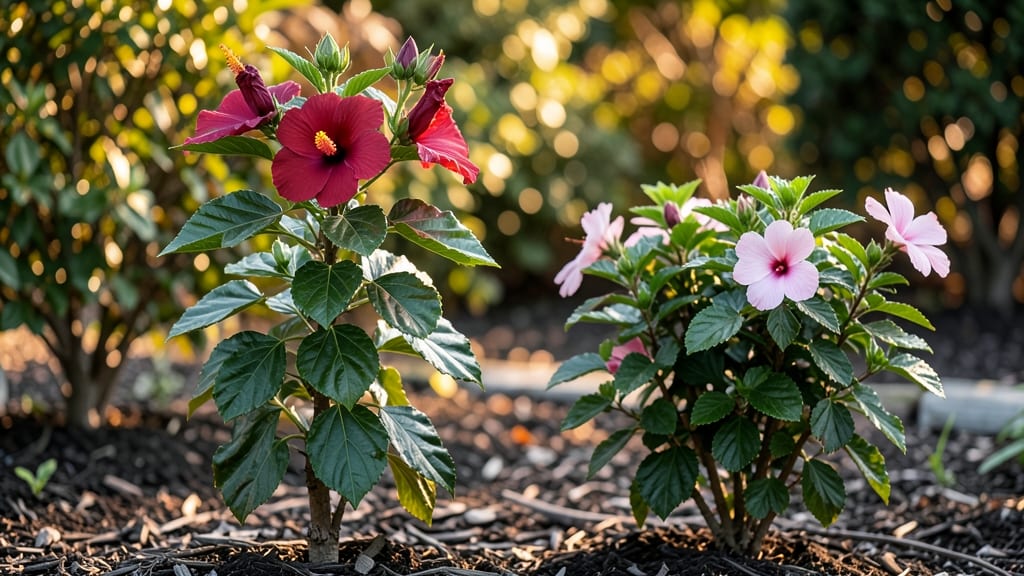
How to trigger early or late hibiscus blooms in Florida’s climate
Florida’s year-round growing season makes hibiscus blooms possible almost anytime—but with a few strategic tweaks, you can force early spring blooms or extend summer flowers into fall. The key lies in understanding how temperature shifts, pruning cycles, and nutrient timing interact with your local microclimate.
Whether you’re in Tampa’s humid coastal zone or Miami’s tropical heat, these techniques will help you break the mold.
Hibiscus naturally slows blooming during Florida’s hottest months (July-August) due to heat stress, while winter dormancy (Dec-Feb) can reduce flowering unless you intervene. By adjusting your watering schedule, fertilizer applications, and pruning timing, you can trick your plants into blooming outside their usual May-October peak.
Let’s dive into the proven methods that work in Florida’s unique climate.
🌸 5 Proven Ways to Shift Hibiscus Blooming Seasons
- Prune in late winter (Feb-March) to stimulate early spring blooms by removing 1/3 of old growth.
- Apply high-phosphorus fertilizer (7-9-5 NPK) in early summer to boost fall blooming before heat stress sets in.
- Use shade cloth (30-50%) during peak summer heat to protect buds and extend blooming.
- Reduce watering slightly in late summer to trigger stress blooming—hibiscus often flowers more when lightly drought-stressed.
- Plant tropical hibiscus varieties like 'Tropical Sunset' or 'Lord Baltimore'—they bloom year-round in Florida’s Zone 10-11.
One of the simplest ways to encourage early blooms is through strategic pruning. In late winter (February), cut back 1/3 of the plant’s oldest stems to promote new growth.
This works because hibiscus blooms on new wood, so removing old growth forces the plant to redirect energy toward fresh shoots—and those shoots will produce buds faster than if left unpruned. For late-season blooms, prune again in early September to stimulate a second flush before winter.
Fertilizer timing is just as critical as pruning. Hibiscus respond best to a balanced 7-9-5 NPK fertilizer applied every 4-6 weeks during active growing months (March-October). To force early blooms, start fertilizing in January with a phosphorus-heavy formula—this nutrient directs energy toward bud development.
For fall blooming, switch to light applications in August-September to avoid heat stress while still supporting new growth.
Watering plays a surprising role in manipulating bloom cycles. During Florida’s dry season (November-April), hibiscus often slow down blooming due to water stress.
To trigger winter blooms, maintain consistent moisture—about 1-2 gallons per plant every 3-5 days—but avoid overwatering, which can cause root rot and stunted blooming.
In summer, reduce watering slightly (to every 2-3 days) to mimic natural drought conditions, which can encourage stress blooming.
For coastal Florida gardens (like Miami or Fort Lauderdale), where humidity is high, airflow is key. Use a fan on low speed near your hibiscus to reduce fungal pressure and prevent bud drop.
In inland areas (Orlando, Tampa), where summer heat is intense, provide afternoon shade with lightweight shade cloth to protect buds from scorching. These small adjustments can extend your blooming season by 2-3 months.
Remember, hibiscus are tropical plants that thrive on consistency. Whether you’re aiming for early spring color or late fall blooms, the goal is to mimic natural seasonal cues while keeping your plant stressed just enough to encourage flowering.
With these techniques, your hibiscus can bloom year-round—or at least close to it—in Florida’s perfect growing conditions. 🌿