
Blooming
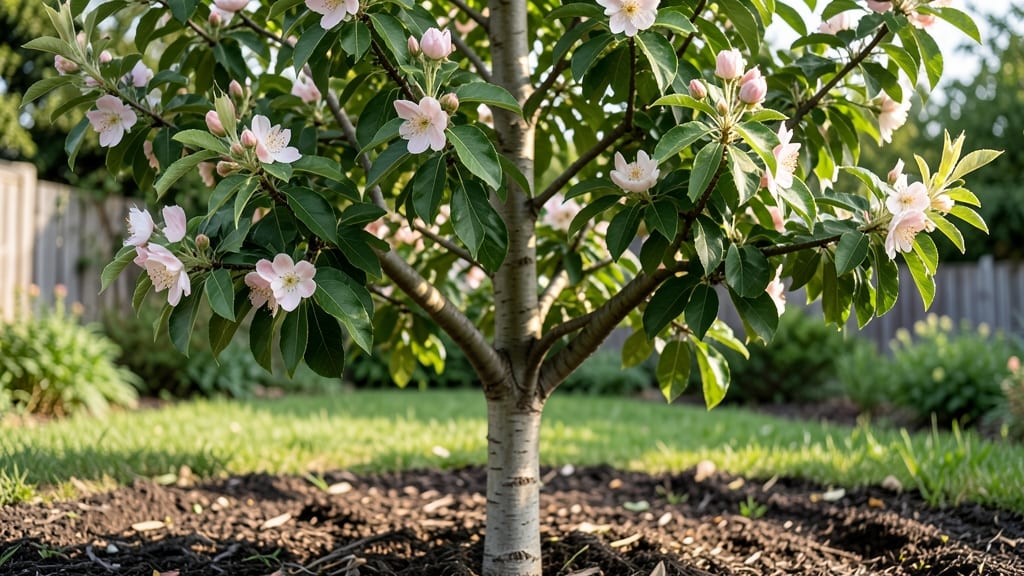
Peach trees in Texas bloom between late February and early April, depending on chill hours and variety 🍑 — but getting the timing right means the difference between a bountiful harvest and a frost-wiped-out crop.
If you’ve ever wondered why some Texas peach trees bloom beautifully while others struggle, the answer lies in their chill-hour needs—and timing is everything.
In North Texas (zones 8a-9a), where winters are cooler, trees like Elberta and Redhaven often bloom by early March, while South Texas (zones 9b-10b) varieties like June Gold may wait until late March or even April.
Here’s how to align your care with the blooming window: from adjusting pruning to protecting against late frosts, we’ll cover what works for Texas gardeners.
Peach tree bloom timing in Texas: chill-hour requirements explained
Texas gardeners know that peach trees can be finicky about when they bloom—especially since our climate varies wildly from North Texas' cooler winters to South Texas' mild winters. The key factor? Chill hours, which measure how many hours below 45°F (7°C) a tree experiences during dormancy.
Without enough chill hours, buds may fail to open, leaving you with no flowers—and no fruit!
In Texas, North Texas (USDA Zones 7b-8a) typically accumulates 600–1,000+ chill hours, while South Texas (Zones 8b-10b) often sees only 300–600 hours. This difference explains why some varieties thrive in the Panhandle but struggle in San Antonio.
Let’s break down what this means for your peach tree’s bloom timing.
Chill hours trigger dormancy break and bud development. For example, Elberta peaches, a classic variety, need 800–1,000 chill hours to bloom reliably. Plant this in North or Central Texas, but avoid South Texas unless you’re willing to risk sparse blooms. Meanwhile, June Gold or Redhaven varieties adapt better to 300–600 chill hours, making them ideal for South Texas gardens.
If you’re in North Texas, your peach tree’s blooms will likely appear between late February and March, aligning with the region’s cooler winters. However, South Texas gardeners may see blooms as early as January or stretch into early April, depending on the variety.
For example, June Gold often blooms in January in the Rio Grande Valley, while Elberta might wait until March in the Panhandle.
Watch for premature blooms in mild winters—these flowers are vulnerable to late frosts, which can destroy buds and reduce fruit production. In South Texas, where winters are warmer, trees may bloom earlier but risk frost damage.
To mitigate this, choose low-chill varieties like Sanguinelle or Contender, which are bred to handle Texas’ unpredictable climate.
Timing isn’t just about chill hours—it’s also about soil temperature. Peach trees need soil temps above 60°F (15°C) to break dormancy and support root growth. In North Texas, this usually happens in March, while South Texas may see it as early as February.
Planting in well-draining soil with full sun exposure ensures your tree has the energy to bloom on schedule.
To encourage healthy blooms, apply a balanced fertilizer (10-10-10) in early spring as buds swell. Avoid over-fertilizing in fall, as this can stimulate late growth that won’t harden off before winter. Instead, focus on mulching around the
Best peach tree varieties for Texas blooming success
Choosing the right peach tree variety for Texas means focusing on low-chill requirements—most Texas regions only accumulate 300–900 chill hours. Varieties like Redhaven and Elberta may struggle in South Texas, but low-chill hybrids like Contender and Tropic Beauty thrive reliably.
The key is matching your USDA zone (8a–10b) with the right chill-hour needs for consistent blooms.
In North Texas (600–900 chill hours), traditional varieties like Redhaven and Halford perform well, blooming in late February to early March. Meanwhile, South Texas (300–600 chill hours) gardeners should prioritize Tropic Snow or Contender, which bloom slightly later but avoid frost damage.
Timing is critical—early blooms risk frost, while late blooms may miss optimal pollination windows.
Here’s how these top varieties rank for Texas blooming success, balancing chill needs, frost resilience, and fruit production:
For North Texas gardeners, Redhaven and Halford deliver reliable blooms but require 600+ chill hours. Plant these in well-drained soil with afternoon shade to reduce heat stress.
In South Texas, Tropic Snow and Tropic Beauty are winners—their 300–400 chill-hour needs align perfectly with the region’s mild winters, and they bloom just as Texas heat arrives, avoiding frost damage.
Pro tip: Pair low-chill varieties with a