
Blooming
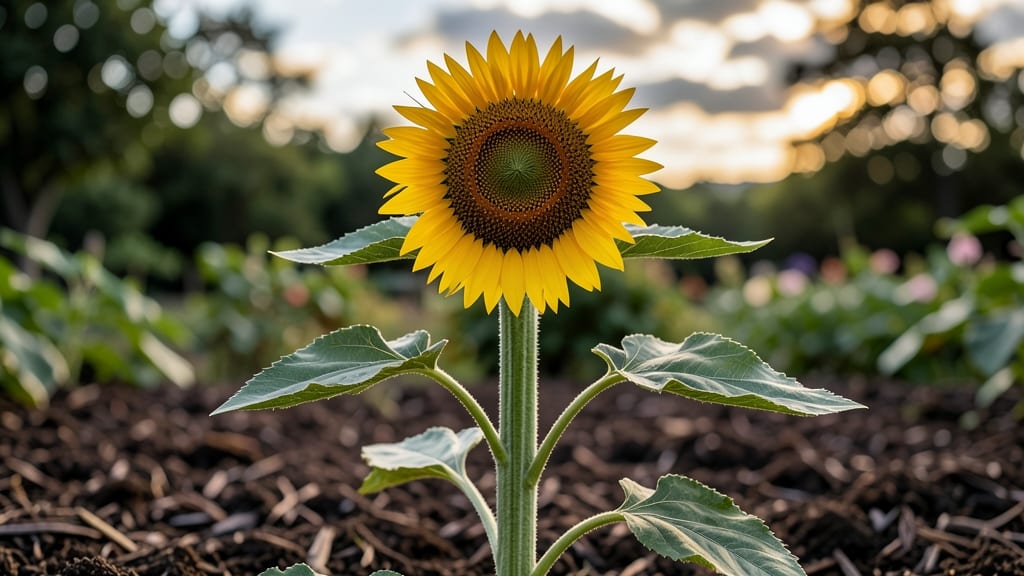
Sunflowers bloom in Illinois between mid-July and October, depending on when you plant them 🌻 — but getting the timing right means the difference between a towering golden display and a sad, heat-stressed stub.
Picture this: you’ve spent weeks watching your seedlings grow, only to have summer’s brutal heat arrive before a single bloom opens. Or worse, a late frost nips your plants before they even get started. Illinois’ 5b-6b climate throws curveballs, and sunflowers are sensitive to both extremes.
Here’s the good news: with the right planting window (mid-April to early June), soil prep, and a few heat-smart tricks, you can push those blooms to peak season.
We’ll break down the exact months to plant for your region, how to stretch the bloom window, and which varieties handle Illinois’ 90-degree summers like champs.
By the end, you’ll know not just when sunflowers bloom, but how to make them last longer—so your garden stays a sunlit showstopper from July through October.
Sunflower blooming timeline in Illinois by planting month
Sunflowers thrive in Illinois’ warm summers, but their blooming timeline depends heavily on when you plant and your USDA zone. Illinois spans three distinct planting zones—Northern (5b), Central (6a), and Southern (6b)—each with unique frost dates and heat patterns.
Planting too early risks frost damage, while late planting may delay blooms until fall, when heat stress shortens their lifespan.
For peak blooms, aim to plant sunflowers after the last frost date—typically mid-April in Northern Illinois and early April in Southern Illinois. However, late varieties can still bloom beautifully if planted as late as early June, though they’ll flower later in the season.
Below, I’ve broken down the blooming windows by planting month and zone to help you plan for a garden full of golden cheer.
🌻 Key Factors Affecting Bloom Timing: - Last frost date (varies by zone) - Daylength (sunflowers need 12+ hours of daylight to bloom) - Heat tolerance (some varieties wilt in extreme summer heat) - Variety selection (early vs. late bloomers)
| Planting Month | Northern IL (Zone 5b) | Central IL (Zone 6a) | Southern IL (Zone 6b) | Peak Bloom Month |
|---|---|---|---|---|
| April | Late July–Early Aug | Mid-July–Late July | Early July–Mid-July | July–August |
| May | August–Early Sept | Late July–Early Aug | Mid-July–Late July | July–September |
| June | Sept–Early Oct | August–Sept | Late July–August | August–October |
| 💡 Tip: For continuous blooms, stagger plantings every 2 weeks in May. | ||||
In Northern Illinois (Zone 5b), sunflowers planted in April typically bloom between late July and early August, while those planted in May may not reach full bloom until August or early September.
The shorter growing season means later plantings risk fall frosts cutting blooms short. Choose early-maturing varieties like ‘Autumn Beauty’ for reliable blooms.
Gardeners in Central Illinois (Zone 6a) enjoy a longer window, with April plantings blooming by mid-July and May plantings stretching into early September.
This zone benefits from warmer soils and longer daylight hours, making it ideal for taller varieties like ‘Russian Giant,’ which can reach 12+ feet and bloom in late August if planted in early June.
Southern Illinois (Zone 6b) offers the longest bloom season, with April plantings often flowering by early July and June plantings still producing blooms into October. However, heat stress in July and August can cause bud drop or stunted growth.
To combat this, I recommend shade cloth during peak heat or selecting heat-tolerant varieties like ‘Moulin Rouge,’ which thrives in high temperatures.
For extended blooms, consider succession planting: sow a new batch of seeds every 2–3 weeks from May through June. This ensures a continuous display from July through October, even in cooler zones.
Just be mindful of crowding—sunflowers need 12–24 inches of space to avoid competing for nutrients and sunlight.
If you’re growing sunflowers for seeds or cut flowers, time your planting to align with your harvest goals. For seed production, allow flowers to mature fully on the stalk, which can take 80–120 days depending on the variety. For cut
How Illinois heat zones affect sunflower bloom timing
Illinois’ diverse climate zones create dramatic differences in sunflower bloom timing—up to 4 weeks between northern and southern regions. In Chicago’s Zone 5b, sunflowers typically bloom from late July to early September, while Southern Illinois (Zone 6b) sees blooms as early as June and lasting through October.
These shifts happen because heat accumulates faster in southern areas, accelerating growth.
Microclimates within cities also play a role. Urban heat islands in St. Louis can push blooms 10–14 days earlier than rural areas just 20 miles away. Even within the same county, elevated gardens or windbreaks can delay flowering by 5–7 days by reducing heat stress.
| Region | Avg. Bloom Window | Heat-Tolerant Varieties | Ideal Planting Month |
|---|---|---|---|
| Northern IL (Chicago) | Late July–Early Sept | ‘Moulin Rouge’ (red blooms), ‘Russian Giant’ | Mid-May |
| Central IL (Springfield) | Early July–Mid Oct | ‘Autumn Beauty’ (multi-color), ‘Teddy Bear’ | Late April–Early May |
| Southern IL (Carbondale) | June–November | ‘ProCut’ (cut flowers), ‘Sunspot’ (dwarf) | March–April |
Heat-tolerant varieties like ‘Moulin Rouge’ thrive in Chicago’s Zone 5b by resisting 90°F+ temperatures that would stress other sunflowers. Its deep red blooms appear 2 weeks earlier than standard varieties when planted in late May.
Meanwhile, ‘Autumn Beauty’ in Central Illinois blooms in gradual waves from July to October, thanks to its prolonged heat tolerance.
For Southern Illinois, early March planting of ‘ProCut’ ensures blooms by late June—critical for avoiding humidity-induced wilting in summer. These varieties also handle soil temperatures up to 95°F, common in Southern Illinois’ clay soils.
Adjust your planting by 2–4 weeks earlier in Southern Illinois compared to Northern regions. Use shade cloth in Chicago’s heatwaves to protect young seedlings from heat stress that can delay blooms by 3+ weeks. Always monitor soil moisture—drought in July can cut bloom duration by half.
Test your local microclimate by planting 3 varieties in different garden spots. Track bloom dates for 3 years to refine your schedule. With the right variety and timing, you’ll enjoy sunflowers in bloom for 8+ weeks—no matter where in Illinois you garden.