
Blooming
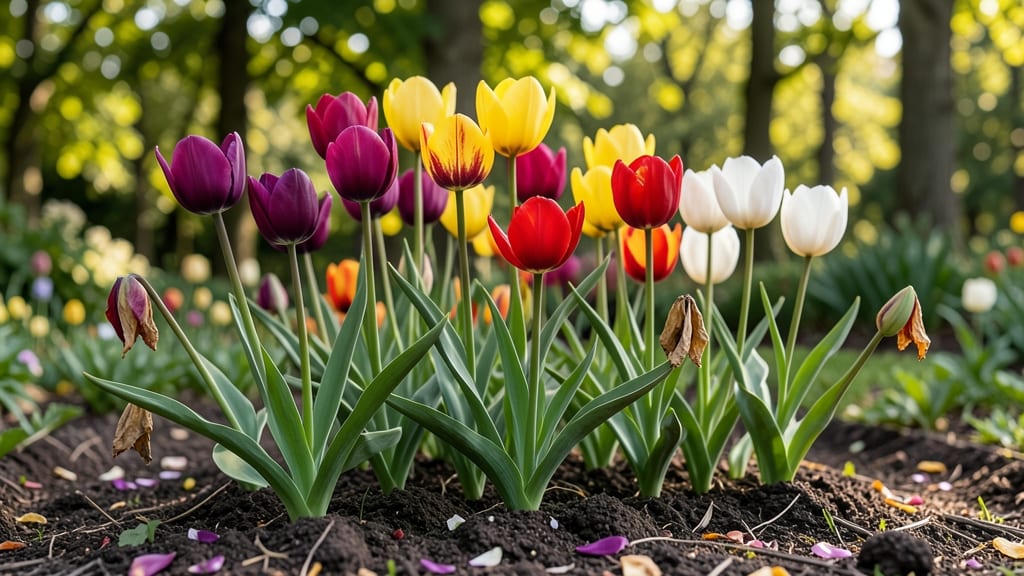
Tulips bloom in Texas after 12-16 weeks of chilling below 40°F—a challenge in our mild winters, but not impossible with the right timing and varieties.
Picture this: you’ve planted your 🌷 bulbs in October, only to watch them sit dormant through a warm winter, leaving you wondering if they’ll ever bloom. The good news? Texas gardeners can coax tulips to flower with a few strategic adjustments—like choosing heat-tolerant types or using artificial chilling methods.
Most tulips in Texas push through the soil between March and April, but the exact timing depends on your region. North Texas (Zone 8a) sees blooms slightly earlier than Central Texas (Zone 9a), while South Texas (Zone 10b) often needs extra tricks to trigger flowering at all.
In this guide, I’ll break down the chilling requirements, the best varieties for Texas heat, and even how to force blooms with a fridge hack.
By the end, you’ll know exactly when (and how) to expect those signature 🌷 pops of color—no matter where you garden in the Lone Star State.
Texas tulip bloom seasons: chilling requirements & optimal planting times
Tulips need 12-16 weeks of temperatures below 40°F to trigger blooming, but Texas winters rarely provide enough chill. Traditional varieties like Dutch tulips often fail to bloom here without help, leaving gardeners frustrated. The key lies in understanding chilling requirements and adjusting planting times to match Texas's mild winters.
Texas spans USDA Zones 8a-10b, where winters are too warm for tulips to naturally satisfy their chill needs. Without sufficient cold exposure, bulbs may produce leaves but no flowers, or worse, fail to emerge entirely.
This is why most Texas gardeners rely on heat-tolerant varieties or artificial chilling methods.
Here’s the critical timeline: Plant bulbs in October or November to give roots time to establish before winter. Even then, most areas need supplemental chilling—either through refrigeration or selecting varieties bred for warmer climates.
The North Texas (Zone 8a) has the best chance of natural blooming, with 20-30 chill hours in winter. Central Texas (Zone 8b-9a) gets 0-10 chill hours, while South Texas (Zone 9b-10b) rarely drops below 40°F at all. Without intervention, tulips in these zones will rarely bloom.
| Texas Region | Chill Hours (Below 40°F) | Natural Bloom Chance | Optimal Planting Window |
|---|---|---|---|
| North Texas (Zone 8a) | 20-30 hours | Moderate (50-70%) | October 15 - November 15 |
| Central Texas (Zone 8b-9a) | 0-10 hours | Low (10-30%) | September 15 - October 30 |
| South Texas (Zone 9b-10b) | 0 hours | None (0%) | August 15 - September 30 (with chilling) |
For reliable blooms, plant bulbs 6-8 inches deep in well-draining soil with compost mixed in. This helps roots establish quickly, giving them a head start when spring arrives.
In North Texas, tulips may bloom as early as February, while Central Texas typically sees blooms in March or April—if conditions are right.
If you’re in South Texas, skip traditional tulips and opt for species tulips like Tulipa greigii or Darwin Hybrid varieties, which tolerate heat better. These can sometimes bloom with minimal chilling, though results vary. For guaranteed blooms, pre-chill bulbs in a refrigerator for 8-12 weeks before planting.
Timing is everything: Plant bulbs 4-6 weeks before the first frost in your area. In North Texas, this means mid-October, while Central Texas gardeners should plant by early November. South Texas plantings should happen by late September to avoid summer heat stress before roots establish.
After planting, mulch heavily with straw or pine needles to insulate bulbs and retain moisture. This mimics the natural winter chill tulips crave, even in mild climates. Remove mulch in late winter to prevent rot as temperatures rise.
Expect blooms 120-180 days after planting, depending on variety and chilling success. In Texas, this usually lands in March or April, just in time for spring celebrations. With the right variety and care, you can enjoy vibrant tulips even in the Lone Star State!
Best heat-defying tulip varieties for Texas gardens (tested & proven)
Texas summers can be brutal for tulips, but don’t give up on these showstopper blooms just yet! The key lies in selecting heat-tolerant varieties that thrive in USDA Zones 8-10. Unlike traditional tulips, these varieties handle 90°F+ temperatures better and often rebloom in subsequent years with proper care.
Most tulips need 12-16 weeks below 40°F to bloom, but Texas winters rarely provide this. The varieties below bypass this requirement or recover faster, making them ideal for North, Central, and even South Texas gardens.
Plant them in fall (October-November) for March-April blooms, or use artificial chilling for earlier flowers.
Darwin Hybrid tulips top the list with 9/10 heat tolerance. Varieties like 'Paul Scherer' and 'Apeldoorn' produce large, vibrant blooms even in Central Texas heat. These tulips often rebloom in fall if given proper care, making them a Texas gardener’s best friend.
For bold, exotic flowers, try Parrot Tulips like 'Black Parrot' or 'Peach Parfait'. Their feathered petals stand out in any garden, and they handle 90°F afternoons better than standard tulips. Plant them in partial shade to protect petals from scorching.
Species tulips like Tulipa greigii and Tulipa tarda are native to Central Asia, where summers are hot and dry. They bloom earlier (February-March), avoiding peak Texas heat, and often naturalize over time. Pair them with rock gardens or drought-tolerant perennials for a low-maintenance look.
To extend blooms, mulch heavily with 3-4 inches of straw to retain moisture and cool roots. Water deeply once a week (early morning) and avoid overhead sprinklers to prevent fungal issues. After blooming, let foliage die back naturally—this replenishes bulbs for next year.
With these heat-defying varieties and a few smart care tricks, you can enjoy stunning tulip blooms in Texas year after year. Start with Darwin Hybrids for reliability, then experiment with Parrot or Species tulips for unique colors and textures.