
Blooming
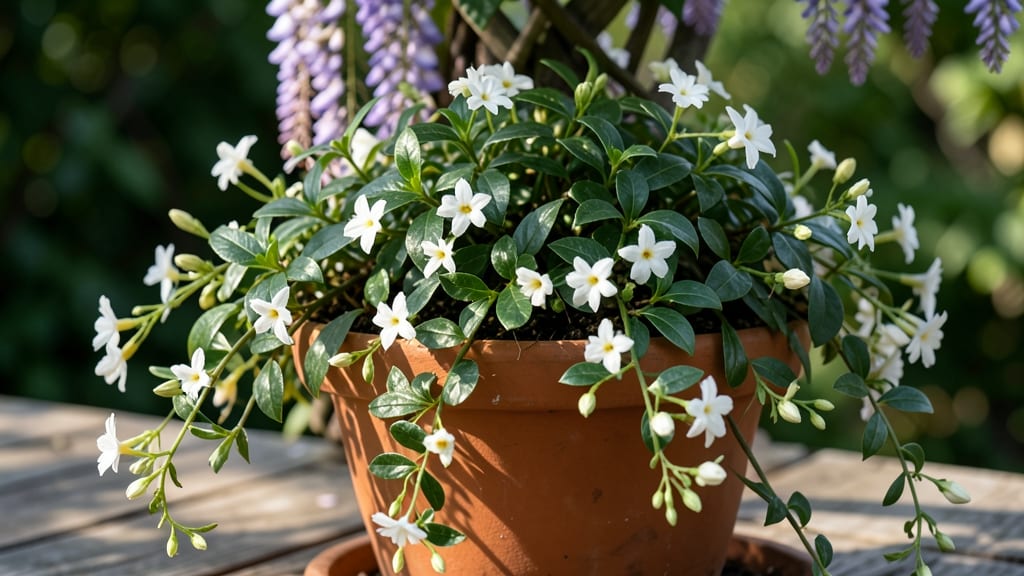
Jasmine blooms in Florida typically between late spring and early fall, with peak flowering from May to September, though varieties like Arabian Jasmine may bloom year-round in warmer zones. Timing depends on heat triggers, humidity, and specific plant types like star jasmine or gardenia jasmine.
Florida's warm climate creates ideal conditions for jasmine, but exact bloom times vary by variety. 🌸 Most types—like Confederate jasmine—thrive in the heat and humidity of Florida's summer months, producing fragrant flowers when temperatures consistently stay above 75°F.
Coastal areas often see earlier blooms than inland regions, thanks to milder nights and higher humidity. What's interesting is how some varieties, such as star jasmine, might bloom twice a year, responding to both spring warmth and fall's cooling trends.
For gardeners, understanding these patterns helps plan pruning and care routines.
For instance, Arabian jasmine's year-round potential means it can brighten your garden in every season, while others may need winter protection in colder Florida zones. 💛 The key is monitoring your specific variety's response to local microclimates—what works in Miami might differ from Orlando's inland conditions.
💡 In This Article
- Florida’s Climate and Jasmine Bloom Triggers
- Best Jasmine Varieties for Florida Gardens
Florida’s climate and jasmine bloom triggers
Jasmine's blooming cycle in Florida is primarily triggered by a combination of temperature thresholds and daylight exposure. Most varieties need consistent daytime temperatures above 75°F to initiate flowering, with nighttime temperatures ideally staying above 60°F.
This is why you'll see peak blooms from May through September—Florida's summer months provide the perfect heat consistency. The process involves a hormonal response where warmer temperatures accelerate the plant's photoperiodic response to longer daylight hours, which typically reach 13-14 hours during Florida's summer.
Humidity plays an equally crucial role in Florida's jasmine blooming patterns.
The state's average relative humidity of 70-90% creates an ideal environment for these tropical plants. 💫 Coastal areas like Miami and Tampa often experience earlier blooms because their maritime climate provides more stable humidity levels and milder nighttime temperatures compared to inland regions.
In contrast, areas like Orlando or Gainesville might see delayed blooming until July or August when humidity peaks. This coastal-inland difference can create a 4-6 week variation in bloom timing between regions just 100 miles apart.
Daylight duration acts as the final trigger in this environmental puzzle. Jasmine plants use a process called "long-day photoperiodism" where extended daylight hours (over 12 hours) signal the plant to produce flowers.
This explains why you'll see a surge in blooms during Florida's summer solstice in June, when daylight exceeds 13.5 hours. The combination of heat, humidity, and long days creates what botanists call a "perfect bloom window" for jasmine varieties adapted to Florida's climate.
What's particularly fascinating is how different jasmine varieties respond to these triggers.
For example, star jasmine (Trachelospermum jasminoides) often produces two bloom cycles—one in spring and another in fall—because it responds to both warming and cooling temperature trends. 🌸 Meanwhile, gardenia jasmine (Tabernaemontana) might bloom more sporadically in response to specific humidity spikes.
This variation means gardeners need to monitor their specific variety's response to local weather patterns rather than relying on general seasonal predictions.
The science behind these bloom triggers involves complex plant physiology. When jasmine plants receive consistent warm temperatures, their meristem cells (growth points) begin producing floral buds. The process is regulated by plant hormones like gibberellins and auxins, which are sensitive to both temperature and light exposure.
In Florida's climate, this hormonal activation typically begins in late April when temperatures stabilize above 70°F and continues until the first cool fronts arrive in October.
Understanding these triggers helps explain why some years might produce more abundant blooms than others.
For instance, a particularly hot summer with consistent humidity (like Florida experienced in 2023) can extend the bloom season into early October, while cooler summers might see blooms taper off by early September. 🌿 This variability is why Florida gardeners often report that their jasmine plants seem to "bloom on their own schedule" from year to year.