
Plants
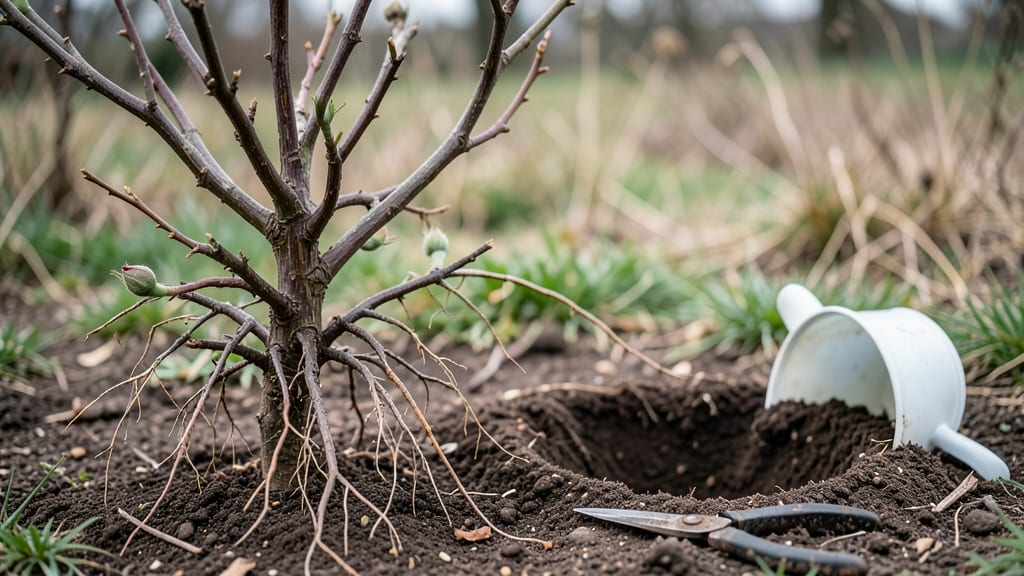
Planting bare root roses in Zone 8 during late winter or early spring ensures they establish strong roots before summer heat arrives.
You might think cooler months are safe, but rushing can leave your 🌹 vulnerable to frost or drought stress. The key is waiting until soil temperatures rise above 50°F—usually by mid-February—when roots can grow without shock.
Zone 8’s mild winters mean you’ve got a 3-month window (November–February) to plant, but timing matters more than you’d expect. Plant too early, and roots may freeze; too late, and summer’s heat stunts growth.
Below, I’ll walk you through the exact months to aim for, soil prep secrets, and how to keep your roses thriving once they’re in the ground.
Best planting windows for bare root roses in Zone 8 by month
Zone 8 gardeners have three prime windows to plant bare root roses: late fall, winter, and early spring. Each offers unique advantages, but timing must align with soil temperatures and frost risks.
In my experience, March and November stand out as the absolute best months for most of Zone 8, especially in 8b sub-regions where winters are milder.
Bare root roses thrive when planted in cool, damp soil—ideal conditions that occur during transition seasons. The key is avoiding both extreme heat and frost, which can shock roots.
For Zone 8a (colder microclimates), aim for November through February, while Zone 8b gardeners can extend planting into early March without risk.
Soil temperature is your best guide: roots need 40-50°F soil to establish without stress. Use a soil thermometer to check—this is especially critical in southern Zone 8, where February can still bring unexpected frosts.
My go-to rule: if daytime highs are 60°F but nights dip below 40°F, wait a week or two.
Here’s my month-by-month breakdown for Zone 8, tailored to both 8a and 8b sub-regions, including soil temp thresholds and microclimate tips:
How to prepare your Zone 8 garden for bare root rose planting
Preparing your Zone 8 garden for bare root roses starts months before planting. The Mediterranean-like climate here means we need to focus on soil moisture retention and drainage to prevent root rot during our dry summers.
I’ve learned that amending clay-heavy soils common in Zone 8 is key—roses hate soggy feet!
First, test your soil pH—roses thrive in 6.0 to 6.5. If your soil is too alkaline, add sulfur or peat moss 2-3 months before planting. I use a simple DIY pH test kit from my local nursery to check this.
Zone 8’s hot summers can bake soil, so we’ll also need to improve organic matter to help retain moisture.
Use a soil test kit to check pH and nutrient levels. Add compost (3-4 inches) and aged manure to improve drainage and fertility. For clay soils, mix in sand or perlite (20% by volume).
Select a spot with 6+ hours of sun and good air circulation. Avoid low areas where cold air pools—Zone 8’s late-winter frosts can linger there. I plant my roses near a south-facing fence for winter protection.
Dig a 6-inch-deep hole twice as wide as the root ball. Mix the excavated soil with 1 part compost and 1 part perlite to prevent compaction. For heavy clay, add gravel at the bottom for extra drainage.
Apply 3-4 inches of mulch (wood chips or straw) after planting to retain moisture and regulate soil temperature. Keep mulch 6 inches away from the stem to prevent rot. Replenish mulch every 3-4 months in Zone 8’s dry summers.
Water deeply 2-3 times per week for the first 4 weeks after planting. Use drip irrigation or soaker hoses to deliver water at the root zone. In summer, water early morning to reduce evaporation and fungal risks.
Don’t forget to soak bare root roses overnight before planting to rehydrate the roots. I always trim any mushy or damaged roots with sterilized pruners—this helps them focus energy on new growth.
Zone 8’s warm winters mean roses can start growing early, so I add a light frost cloth in late winter for extra protection.
With these steps, your bare root roses will establish strong roots before Zone 8’s summer heat hits. I’ve seen roses planted this way bloom twice as heavily in their first season compared to those rushed into the ground too early.
The key is patience—let those roots settle in before pushing for growth! 🌹