
Plants
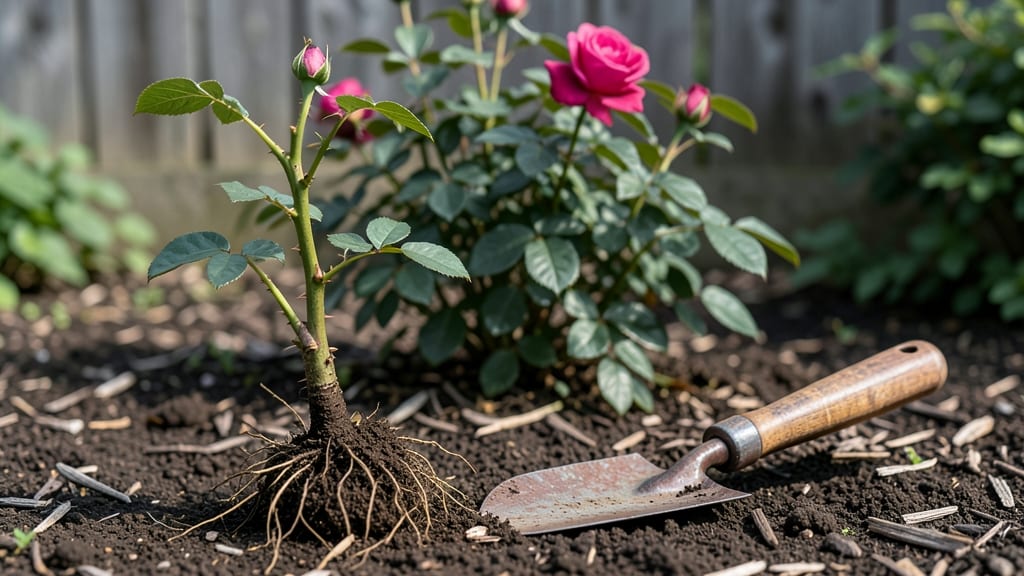
Planting knockout roses in Georgia at the right time means the difference between vibrant blooms all season and struggling plants that never quite thrive.
Georgia’s humid climate and long growing season make knockout roses a favorite among gardeners—but planting them at the wrong time can mean weak growth or even failure. Timing is everything, and missing the ideal window by even a few weeks could cost you summer-long color.
For USDA zones 7a-8b, the best windows are late winter to early spring or fall, when soil temperatures are cool but stable. Spring planting should happen after your last frost date (usually mid-March), while fall planting works best in September or October before the first cold snap.
In this guide, I’ll break down the exact dates for your zone, soil prep tips, and how to avoid common mistakes that turn Georgia’s heat and humidity into a rose-killer.
Best planting dates for knockout roses in Georgia’s 8 climate zones
Georgia’s USDA zones 7a through 8b create a perfect climate for Knockout Roses, but the exact planting window depends on your specific zone. These disease-resistant shrubs thrive when planted during their optimal growth periods, avoiding both late spring heat stress and early winter frosts.
I’ve broken down the best months for each zone, including soil temperature requirements and frost risk factors.
For Georgia gardeners, the two best times to plant Knockout Roses are early spring (after last frost) and fall (6-8 weeks before first frost). Spring planting gives roots time to establish before summer heat, while fall planting allows roots to grow before winter dormancy.
Let’s explore the zone-specific details to ensure your roses get off to the best start.
Here’s how soil temperature and frost dates affect planting timing across Georgia’s zones. Root establishment happens best when soil temps stay between 50°F and 70°F. Planting too early in cold soil can stunt growth, while planting too late exposes young roots to heat stress or winter freeze.
| USDA Zone | Last Frost Date | First Frost Date | Best Spring Planting Window | Best Fall Planting Window | Soil Temp Requirement | Key Consideration |
|---|---|---|---|---|---|---|
| 7a | Mid-March | Mid-November | Late March - Early April | Mid-September - Early October | 50°F+ (consistent) | Longer frost window; prioritize fall planting |
| 7b | Early March | Late October | Early April - Mid-April | Late August - Mid-September | 50°F+ (consistent) | Balanced spring/fall options; avoid late April heat |
| 8a | Late February | Early November | Mid-March - Early April | Late September - Early October | 55°F+ (warmer soil preferred) | Warmer zones; spring planting can start earlier |
| 8b | Early February | Mid-October | Late February - Mid-March | Late August - Late September | 55°F+ (warmer soil preferred) | Longest growing season; avoid late spring planting |
🌱 Note: Always check your local frost dates—they can vary by 1-2 weeks even within the same zone.
In Zone 7a, where frosts linger longer, fall planting (September-October) is often the safer bet. The 6-8 week window before first frost gives roots time to establish without winter stress.
For Zone 8b, where winters are milder, you can plant as late as late September—but avoid planting in October when soil temps drop below 50°F.
Spring planting in Zone 8a and 8b should happen before soil temps exceed 70°F. If you miss the March-April window, wait until fall—planting in May or June risks heat shock and poor root development.
I recommend monitoring soil temperatures with a soil thermometer for the most accurate timing.
For Zone 7b, both spring and fall are viable, but fall planting has a slight edge. The cooler autumn temperatures reduce stress on young plants, and they enter dormancy with stronger root systems.
If you choose spring, plant before the last frost and after soil warms to 50°F—typically early April.
One critical mistake I see Georgia gardeners make is planting too late in spring. By May, the humidity and heat can overwhelm young roses, leading to transplant shock.
If you’re unsure about timing, fall planting is always the safer choice—just ensure you plant 6-8 weeks before frost.
After planting, focus on watering deeply (1-2 inches per week) and mulching to maintain consistent soil moisture. In Zone 8b, where summers are intense, mulch helps retain moisture and protects roots from heat stress.
For Zone 7a, mulch also insulates roots during early spring and late fall temperature swings.
Remember, Knockout Roses are drought-tolerant once established, but young plants need consistent moisture during their first year. Adjust your watering schedule based on rainfall and soil type—sandy soils dry out faster than clay-heavy soils.
With the right timing and care, your roses will reward you with continuous blooms from spring to frost.
How to prepare your Georgia garden for knockout rose planting
Before you plant your Knockout Roses, Georgia’s clay-heavy soil and humid summers demand special prep to ensure thriving roots. These roses love well-draining soil and full sun exposure—critical factors that can make or break your garden’s success.
Without proper soil amendments, your roses might struggle with root rot or nutrient deficiencies, leaving you with weak stems and sparse blooms.
Start by testing your soil pH—Knockout Roses prefer a slightly acidic to neutral range of 6.0 to 6.5. Georgia’s native soil often tests higher, so you’ll likely need to adjust it. Next, focus on improving drainage and adding organic matter to create the ideal growing conditions.
With the right prep, your roses will establish strong roots and reward you with continuous blooms from spring to frost.
- 🔹 Test soil pH using a home kit or lab test—aim for 6.0-6.5.
- 🔹 Amend clay soil with pine bark fines (50%) and compost (50%) for better drainage.
- 🔹 Loosen soil to 12 inches deep with a shovel or tiller to reduce compaction.
- 🔹 Add sulfur if pH is above 6.5—Georgia’s alkaline soils often need this adjustment.
- 🔹 Mix in slow-release fertilizer (10-10-10) at planting to kickstart root growth.
Choosing the right planting location is just as critical as soil prep. Knockout Roses need at least 6 hours of direct sunlight daily, so avoid shady spots where they’ll produce fewer blooms. In Georgia, south-facing gardens or areas with afternoon shade (to protect from extreme heat) work best.
If your yard has poor drainage, consider raised beds or mounds to prevent waterlogging, which can suffocate roots.
Once your soil is ready, dig a hole twice as wide as the rose’s root ball but only as deep. This encourages roots to spread outward rather than settling too low, which can lead to stem rot in Georgia’s damp climate.
Gently remove the rose from its container, loosen any circling roots, and place it in the hole so the graft union sits 2 inches above soil level.
After planting, water deeply to settle the soil and eliminate air pockets. Mulch around the base with 2-3 inches of organic mulch (like pine straw) to retain moisture and regulate soil temperature.
In Georgia’s heat, mulch also helps prevent soil-borne diseases by keeping foliage dry. Replenish mulch annually to maintain these benefits and give your Knockout Roses the best start.
Finally, avoid fertilizing for the first 6-8 weeks to let roots establish without stress. Instead, focus on consistent watering—deep soaks once or twice a week—until your roses are fully settled. With this prep, your Knockout Roses will thrive in Georgia’s climate, delivering vibrant blooms from spring through fall. 🌹