
Plants
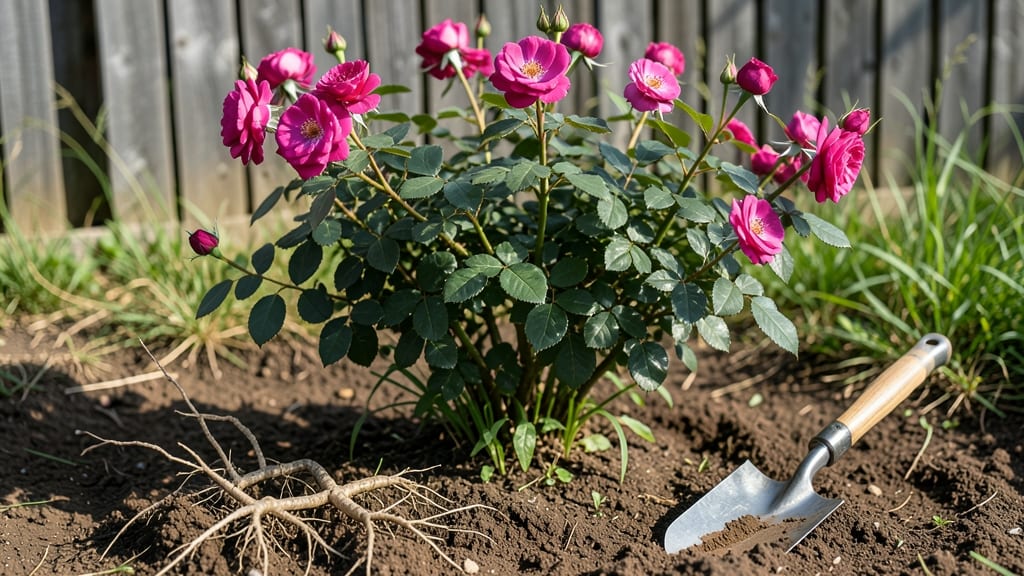
Planting roses in New Jersey at the right time ensures they take root before winter’s chill or summer’s heat arrives — and that means April or September for your 6a-7b zone.
Picture this: you’ve spent hours digging the perfect hole, only to watch your new 🌹 roses struggle because you planted them too early or too late. In New Jersey’s variable climate, timing isn’t just a detail—it’s the difference between a garden full of blooms and a sad, stunted shrub.
Most gardeners swear by fall planting because the cooler soil and steady rains give roots a head start before winter. But spring has its perks too, especially if you’re working with bare-root roses—just don’t wait until the last frost has passed.
Below, I’ll break down the exact windows for each season, soil prep secrets, and whether potted or bare-root roses give you the edge in New Jersey’s unpredictable weather.
Best planting windows for roses in NJ’s USDA Zone 6b climate
New Jersey’s USDA Zone 6b climate brings unique challenges for rose gardeners, with last frost dates ranging from mid-April to early May and first frosts arriving as early as late October.
The key to success lies in planting during two optimal windows: early spring (after frost risk) or early fall (before cold sets in). These timing strategies help roses establish strong roots before extreme weather hits.
For spring planting, aim for April through early May once soil temperatures consistently reach 60°F or warmer. This gives roots time to knit before summer heat arrives.
Meanwhile, fall planting should occur 6-8 weeks before your first frost—typically September through early October in NJ—to allow roots to establish before winter dormancy.
🌹
| Planting Window | Ideal Months | Soil Temp Threshold | Frost Risk | Root Establishment Time |
|---|---|---|---|---|
| Spring Planting | April - Early May | 60°F+ (15.5°C+) | Low (post-last frost) | 6-8 weeks before summer heat |
| Fall Planting | September - Early October | 50°F+ (10°C+) | Moderate (6-8 weeks before frost) | 4-6 weeks before dormancy |
| Avoid Planting | Late May - August | N/A | High (summer stress) | Poor root establishment |
| Container Roses | April - October | 55°F+ (13°C+) | Low (flexible timing) | Immediate root growth |
New Jersey’s microclimates add another layer of complexity. Coastal areas like Cape May often experience milder winters, allowing for slightly later fall plantings, while inland regions like Morris County may need earlier adjustments. Always check your local frost date averages—the NJ Agricultural Experiment Station provides updated data annually.
Bare-root roses require slightly different timing than potted roses. Plant bare-root varieties as soon as they arrive in spring (typically March-April), but keep them refrigerated until planting day.
Potted roses, however, offer more flexibility and can be planted throughout the growing season, making them ideal for gardeners who miss the traditional windows.
🌿
One critical factor often overlooked is soil preparation. Roses thrive in well-draining, slightly acidic soil (pH 6.0-6.5). In NJ’s clay-heavy soils, amend with compost and sand before planting.
For spring plantings, work in slow-release fertilizer to support early growth, while fall plantings benefit from bone meal to encourage root development before winter.
Extreme weather events, like late spring frosts or early autumn freezes, can disrupt planting plans. Monitor the National Weather Service and local Cooperative Extension offices for real-time updates. If a frost warning appears during your planting window, delay until conditions stabilize—roses are resilient but won’t tolerate frozen roots.
For gardeners in Zone 6b’s northern regions (e.g., Sussex County), err on the side of earlier fall plantings (late August) to avoid winter stress. Southern NJ gardeners (e.g., Atlantic County) have more leeway but should still plant by mid-October to ensure roots harden off before cold snaps.
✂️
Pro tip: Mark your calendar for September 15th as a safe deadline for fall plantings in most of NJ. This gives roses 6 weeks to establish before the average October 31st first frost. For spring, May 1st is a reliable cutoff—after this, summer heat can stress newly planted roses.
How to adjust planting timing for NJ’s spring vs. fall conditions
New Jersey’s USDA Zone 6b climate creates unique challenges for rose planting, especially with unpredictable frost dates. While fall planting (September-October) is ideal, early spring (April) offers a second chance—but only if you prepare your soil properly.
The key is understanding when your soil reaches 60°F and how to protect tender roots from late frosts.
For spring plantings, wait until after the last frost date (mid-April), but don’t delay too long—June planting can stress roses before they establish roots.
In contrast, fall planting gives roses time to develop roots before winter dormancy, but you must plant 6-8 weeks before first frost (by late October). Container-grown roses offer flexibility since they’re root-established and can handle later plantings.
⚠️ callout warning ⚠️
Don’t plant bare-root roses in spring if soil temps stay below 60°F—roots won’t activate! Use black plastic mulch to warm soil faster. For fall, mulch heavily (4-6 inches) to insulate roots before winter. Container roses can be planted 2 weeks later than bare-root since they’re less frost-sensitive.
🌱 Pro Tip: Check NJ’s Frost Free Date Map (Rutgers NJAES) for your exact microclimate.
To warm spring soil faster, lay down black landscape fabric or clear plastic 2-3 weeks before planting. This raises soil temps by 5-10°F and jumpstarts root growth.
For container-grown roses, remove them from pots just before planting to check root health—white, fibrous roots mean it’s ready, while circled roots need more time in the pot.
Fall planting deadlines vary by NJ region. Northern NJ (Zone 6a) should plant by September 15, while Southern NJ (Zone 7a) can extend to October 15. Use a soil thermometer to confirm temps are above 50°F—this prevents root shock.
Water deeply after planting, then mulch with straw to retain moisture and protect roots from temperature swings.
Container-grown roses are my go-to for flexible timing because they’re pre-rooted and less frost-sensitive. You can plant them 2-3 weeks after bare-root varieties in spring or even into November in fall, as long as soil isn’t frozen.
Just avoid planting when temps drop below 40°F—roots will suffer. For container roses, water 2x weekly after planting to help roots adjust to their new home.
Remember, NJ’s microclimates can shift planting windows by 2-3 weeks. Urban areas may frost earlier than rural spots, so monitor local forecasts and adjust accordingly.
With these adjustments, you’ll maximize your roses’ chances of thriving in NJ’s variable climate—whether you’re planting in spring’s first warm spell or fall’s golden window.