
Plants
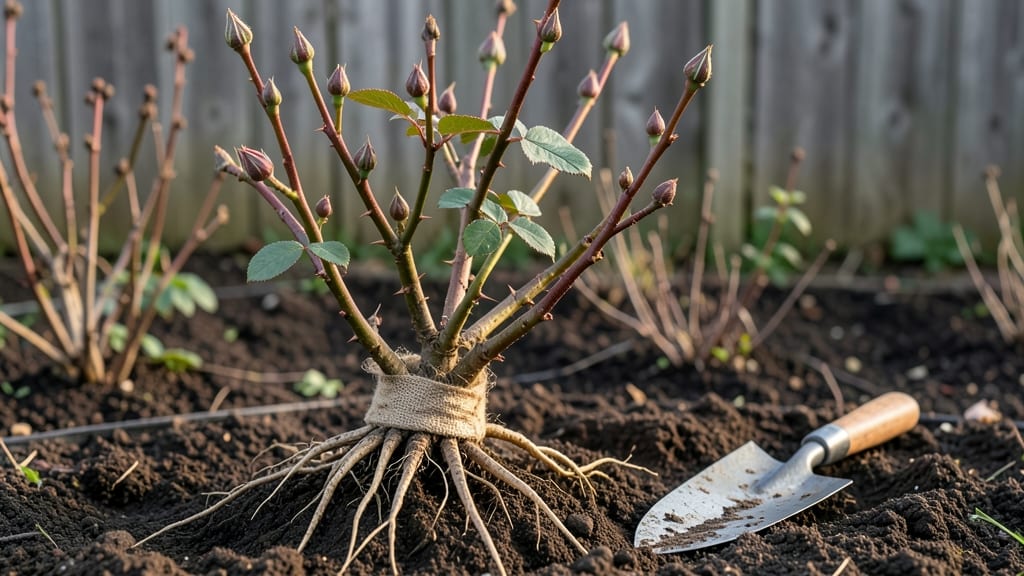
Planting roses in Tennessee at the right time means the difference between vibrant blooms all season and struggling plants that never quite thrive.
Tennessee’s unpredictable spring weather can turn a rose gardener’s dream into a gamble—plant too early, and frost will strike; too late, and your blooms arrive late to the season.
But timing is everything, and knowing the exact months to plant roses in Tennessee’s zones (6b-7b) ensures your garden thrives with vibrant, long-lasting flowers.
Most gardeners in Tennessee focus on spring planting, but fall is actually the best time for bare-root roses, giving roots a head start before winter. Meanwhile, container-grown roses can go in almost year-round, as long as the soil isn’t frozen.
In this guide, I’ll break down the ideal planting windows for both spring and fall, zone-specific tips for Tennessee’s climate, and how to prepare your soil for success—so you can enjoy roses that bloom like clockwork.
Best planting months for roses in Tennessee by hardiness Zone (6b-7b)
Tennessee’s USDA zones 6b-7b create a unique challenge for rose gardeners. The last frost date typically arrives around March 15, but sudden cold snaps can delay planting. Meanwhile, first frost often hits by November 1, leaving a narrow window for optimal root establishment.
Understanding these seasonal shifts is key to avoiding frost damage while maximizing bloom potential.
For bare-root roses, timing is critical—they need 4-6 weeks before last frost to establish roots. In Tennessee’s Zone 6b, this means planting between mid-February and early April.
Meanwhile, container-grown roses offer more flexibility, allowing planting year-round in mild winters, though late fall and early spring remain ideal for best results.
Frost risk analysis reveals why late fall and early spring are non-negotiable. Planting in September-October gives roots time to establish before winter dormancy, while March-April planting ensures vigorous growth before summer heat arrives. In Zone 7b, where winters are milder, you can push planting slightly later—early April or late September—but never risk frost exposure.
| Planting Window | Zone 6b (Nashville, Chattanooga) | Zone 7b (Memphis, Knoxville) | Key Consideration |
|---|---|---|---|
| Bare-Root Roses | Mid-February to early April | Late February to early May | Avoid frost; soil temp >40°F |
| Container Roses | September-October or March-April | September-November or March-May | Flexible; mulch for winter protection |
| Late Fall Planting | September 15-October 15 | September 15-November 1 | 6+ weeks before frost; water deeply |
| Early Spring Planting | March 15-April 15 | March 15-May 1 | Soil temp >50°F; mulch after planting |
Adjusting for early or late seasons requires flexibility. If unseasonably warm winters occur, you can plant bare-root roses as late as early April in Zone 7b. Conversely, if cold snaps linger, delay planting until mid-April to avoid frost damage.
Always check your local frost date averages—tools like the National Weather Service provide real-time updates for Tennessee’s microclimates.
Late fall planting (September-October) is often overlooked but critical for root establishment. Roses planted in fall have 6-8 weeks to develop roots before dormancy, resulting in healthier spring blooms.
In Zone 6b, aim to finish planting by October 15 to avoid winter stress, while Zone 7b gardeners can extend planting until November 1.
For container-grown roses, the rules are more forgiving. These roses can be planted year-round in Tennessee, but late fall and early spring still offer the best results.
If planting in summer or winter, provide extra mulch and consistent watering to mitigate stress. Always remove plastic pots to prevent root girdling.
Soil temperature plays a pivotal role in successful rose planting. Use a soil thermometer to ensure temperatures are above 40°F for bare-root roses and 50°F for container-grown varieties.
In Tennessee, this typically aligns with mid-March to early April, but Zone 7b areas may see suitable conditions as early as February.
Mulching is a game-changer for Tennessee roses. Apply 3-4 inches of mulch after planting to retain moisture and regulate soil temperature. Organic mulches like pine straw or shredded bark also improve soil structure over time.
In Zone 6b, mulch heavily by November 1 to protect roots from freeze-thaw cycles.
Finally, local microclimates can shift planting windows by 2-4 weeks. For example, Memphis (Zone 7b) often enjoys warmer springs than Nashville (Zone 6b), allowing earlier planting. Use neighborhood gardening groups or local nurseries to refine your timeline based on real-world observations.
How to prepare Tennessee soil for rose planting (Zone-specific tips)
Tennessee’s clay-heavy soils and high humidity create unique challenges for rose gardeners. Without proper prep, your roses might struggle with poor drainage or nutrient deficiencies. The key? Amending soil 6-8 weeks before planting to create an ideal mix of air, water, and organic matter.
I’ve learned the hard way—skipping this step leads to root rot or stunted growth, even with expensive rose varieties.
Start by testing your soil pH, which should be between 6.0 and 6.5 for roses. Tennessee’s native soils often lean acidic, so you may need to add lime (for pH above 6.5) or sulfur (for pH below 6.0).
Use a soil test kit from your local Cooperative Extension office—they’re affordable and save you guesswork.
⚠️ callout warning ⚠️
🚨 Deadly Mistake in Tennessee: Planting Roses Without Amending Clay Soil
Tennessee’s clay soils compact easily, suffocating rose roots. 70% of gardeners here overlook this—leading to root rot or poor blooming. Fix it: Mix in 3-4 inches of compost or aged manure + sand (50/50 ratio) before planting. Skip this? Your roses will fight for survival instead of thriving.
💡 Pro Tip: Work in gypsum (1 lb per 100 sq ft) to break up clay without altering pH.
Next, focus on drainage. Roses hate soggy feet—even Tennessee’s occasional heavy rains can drown roots. Dig a hole twice as wide as the root ball and 12 inches deep. At the bottom, add a 3-inch layer of gravel or crushed stone to create a drainage layer.
This simple step prevents water from pooling around roots, which is critical in Zone 6b-7b.
Incorporate organic matter like composted leaves, well-rotted manure, or peat moss to improve soil structure. Aim for a mix that’s 40% native soil, 30% compost, and 30% perlite or sand.
This ratio mimics the loamy texture roses love. For sandy soils (common in West TN), add 20% compost and 10% clay to retain moisture.
Don’t forget mulching—a 3-inch layer of pine straw or wood chips helps regulate soil temperature and reduces weed competition. Apply mulch 3 inches away from the stem to avoid rot. In humid Tennessee summers, mulch also slows water evaporation, keeping roots consistently moist without overwatering.
Finally, avoid common pitfalls like over-fertilizing at planting time. Too much nitrogen encourages leafy growth at the expense of blooms. Instead, use a balanced 10-10-10 fertilizer sparingly—just 1 tablespoon per plant mixed into the soil. Wait until new growth appears (usually 4-6 weeks after planting) before adding more nutrients.