
Pests and Diseases
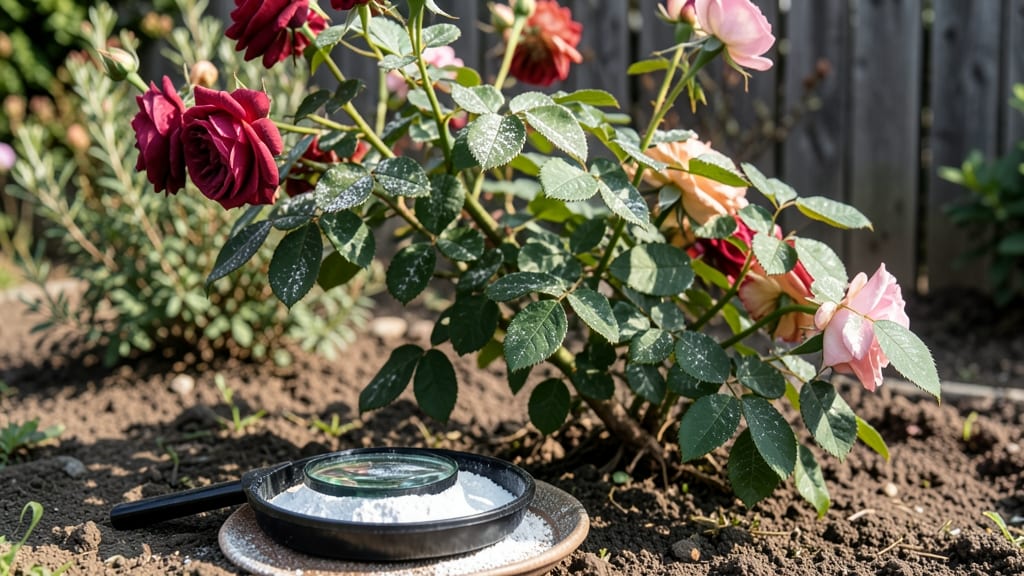
That white powder on your rose bush isn’t just dust—it’s powdery mildew, and it’s stealing your roses’ energy. 🌿 I’ve battled this stubborn fungus for years, and these 3 simple steps will have your bushes looking fresh again in no time.
The key is acting fast: prune infected leaves, spray with a baking soda mix (just 1 tablespoon per quart of water), and water at the base—not overhead—to keep new spores from settling. Most gardeners overlook the airflow part, but proper spacing between plants makes all the difference.
Within 1-2 weeks, you’ll see new growth pushing through, and the powdery film will vanish. The secret isn’t just the spray—it’s consistency. Check your bushes every morning for fresh white spots, and repeat the treatment every 7-10 days until the threat is gone.
📚 In This Guide
- What you need
- Instructions
- Tips and common mistakes
- Wrapping up and next steps
What you need
- ● Neem oil (100% pure, cold-pressed) – 1 tablespoon per gallon of water (organic fungicide)
- ● Baking soda – 1 teaspoon (helps neutralize pH and fight mildew)
- ● Dish soap (mild, unscented) – ½ teaspoon (acts as a surfactant to help the mix stick)
- ● Spray bottle (16–20 oz) – For even application (or a garden sprayer for larger bushes)
- ● Garden pruners (sterilized) – To trim severely infected leaves/stems
- ● Garden hose with nozzle – For rinsing off debris and mildew
- ● Gloves (nitrile or rubber) – Protects your hands from irritation
- ○ Plastic sheeting or tarp – To cover nearby plants if spraying (optional but handy!)
- ● Horticultural oil (2%) – For stubborn cases (mix 1 teaspoon per quart of water)
- ● Potassium bicarbonate (7%) – A stronger fungicide alternative (1 tablespoon per gallon)
- ● Reflective mulch or aluminum foil – Reduces humidity around the base of the bush
- ● Fan or dehumidifier – Improves airflow post-treatment (if indoors or in a greenhouse)
How to remove white powder on rose bushes in 3 simple steps
Here's my straightforward method to banish powdery mildew without harsh chemicals.
🌿 Step 1: Prune and Clean Infected Areas
Start by removing all severely infected leaves and stems. Use clean, sharp pruners to cut back to healthy green tissue—you'll see a clear line where the mildew stops. I always sterilize my tools with rubbing alcohol between cuts to prevent spreading spores. Toss the pruned material in the trash, not the compost, since the fungus can survive there.
Next, wipe down the remaining leaves with a damp cloth to remove surface powder. You'll notice the white residue comes off easily, revealing fresh green underneath. This isn't just cosmetic—removing the fungal layer gives your treatment better access to the problem areas. Work on a cloudy day to avoid stressing the plant further with direct sunlight.
💧 Step 2: Apply a Natural Fungicide Solution
Mix 1 tablespoon baking soda with 1 quart warm water and add ½ teaspoon mild liquid soap (like dish soap) to help it stick. Stir well until fully dissolved. I spray this solution on both the tops and undersides of leaves—powdery mildew loves to hide there. Keep the spray nozzle wide to avoid damaging delicate foliage.
Apply in the early morning so the leaves have time to dry completely before nightfall. You'll want to treat every 3-5 days until the white powder disappears completely. The baking soda creates an alkaline environment that powdery mildew can't tolerate, while the soap helps break down the waxy coating of the fungus. For severe cases, repeat weekly as a preventative measure.
✂️ Step 3: Improve Airflow and Light Conditions
Powdery mildew thrives in shady, crowded conditions. I always space rose bushes 3-4 feet apart to allow good airflow between plants. If your roses are planted too close together, gently move them now—you'll see immediate improvement in their overall health. Remove any nearby weeds or ground cover that might be blocking airflow at the base.
Ensure your roses get at least 6 hours of direct sunlight daily. If they're in a naturally shady spot, consider pruning nearby trees or moving the plants to a sunnier location. The more sunlight, the faster the leaves will dry out after watering, preventing mildew from taking hold. Water at the base in the morning rather than overhead—wet leaves stay vulnerable to infection all day.
☀️ Bonus: Prevent Future Outbreaks
After clearing the current infection, apply a 1-inch layer of organic mulch around the base of your roses. This helps regulate soil moisture and keeps leaves from touching damp ground. I also recommend spraying a neem oil solution (1 tablespoon neem oil per quart of water) monthly during growing season as a preventative. The natural oils in neem disrupt fungal spores before they can establish.
Finally, choose disease-resistant rose varieties for next season—look for labels mentioning "powdery mildew resistant." Even with treatment, some roses remain more susceptible than others. Your roses will reward you with stronger growth and fewer fungal issues once you've addressed these conditions.
Tips & tricks for eliminating white powder on rose bushes
Real talk: powdery mildew can spread faster than you think, so these tricks will help you tackle it effectively—and keep it from coming back.
Pruning Precision: When you're cutting back infected stems in Step 1, look for the exact point where the white powder stops and healthy green tissue begins. This is your "cut line"—don't stop too early or you'll leave infected material behind. I've seen people miss tiny patches of mildew, so take your time and examine both sides of each stem. Sterilizing your pruners between cuts is non-negotiable; I keep a small bottle of rubbing alcohol handy for quick clean-ups.
Solution Strength: The baking soda mixture in Step 2 works best when you use warm water—not hot, just comfortably warm to the touch. Cold water won't dissolve the baking soda as well, reducing its effectiveness. Also, stir the solution vigorously until fully dissolved; undissolved baking soda can irritate plant leaves. For extra potency, let the solution sit for 5 minutes before spraying to allow the baking soda to fully activate.
Timing is Everything: Those 3-5 day treatment intervals are critical, but don't just count days—watch your roses. If you see new white powder appearing before 5 days, switch to daily treatments until it clears completely. Morning application is key because it gives leaves plenty of time to dry in the sunlight, which naturally inhibits fungal growth. I've seen mildew return within days when people sprayed in the evening and left leaves wet overnight.
Airflow Audit: In Step 3, don't just look at the space between plants—check the entire growing environment. Remove any deadheading debris from last season's blooms, clear away fallen leaves that might be harboring spores, and consider trimming back nearby shrubs that could be blocking airflow. I've had to move rose bushes that were planted too close to a fence; even a few inches can make a difference in preventing future outbreaks.
Pro Tips for White Powder On Rose Bush
- Real talk: powdery mildew can spread faster than you think, so these tricks will help you tackle it effectively—and keep it from coming back.
- Pruning Precision: When you're cutting back infected stems in Step 1, look for the exact point where the white powder stops and healthy green tissue begins.
- Solution Strength: The baking soda mixture in Step 2 works best when you use warm water—not hot, just comfortably warm to the touch.
Frequently asked questions
Got questions about that mysterious white powder on your rose bush? You’re not alone—powdery mildew can be frustrating, but the right answers make all the difference. Here’s what you need to know:
What exactly is white powder on rose bushes?
The white powdery substance is a fungal disease called powdery mildew. It thrives in humid conditions and spreads quickly, covering leaves, stems, and buds. Unlike harmless dust, it’s contagious and weakens your roses if left untreated.
How fast does powdery mildew spread?
This fungus spreads rapidly—within days if conditions (like high humidity or poor airflow) are favorable. You might notice it first on upper leaves, but it can blanket the entire plant in weeks if ignored. Early action is key!
Can I save my rose bush, or is it too late?
Don’t panic! Even heavily infected bushes can recover with prompt treatment. Prune affected leaves (sterilize your tools!), apply fungicide, and improve airflow. Severe cases may need repeat treatments, but most roses bounce back with care.
What’s the best natural remedy for white powder?
Skip harsh chemicals! Try a baking soda spray (1 tsp baking soda + 1 quart water + a drop of soap) or neem oil. For organic growers, potassium bicarbonate is also effective. Always spray undersides of leaves and repeat every 7–10 days.
How do I prevent powdery mildew next season?
Prevention is easier than curing! Space plants for airflow, water at the base (avoid leaves), and prune for sunlight. Choose resistant rose varieties (like ‘Knock Out’ roses) and apply fungicide preventatively in spring.
Still stumped? Drop your specific symptoms in the comments—we’re happy to help!
Wrapping up and next steps
Don’t let that white powder on your rose bush dim your gardening joy—you’ve got this! 🌸 With the right know-how and a few simple steps, you can restore your roses to their vibrant best.
Start by acting fast to stop the spread, then follow up with preventive care to keep powdery mildew from returning.
Ready to revive your garden? Grab your supplies, roll up your sleeves, and give your roses the TLC they deserve. Healthy plants start with you! 🌱