
Pests
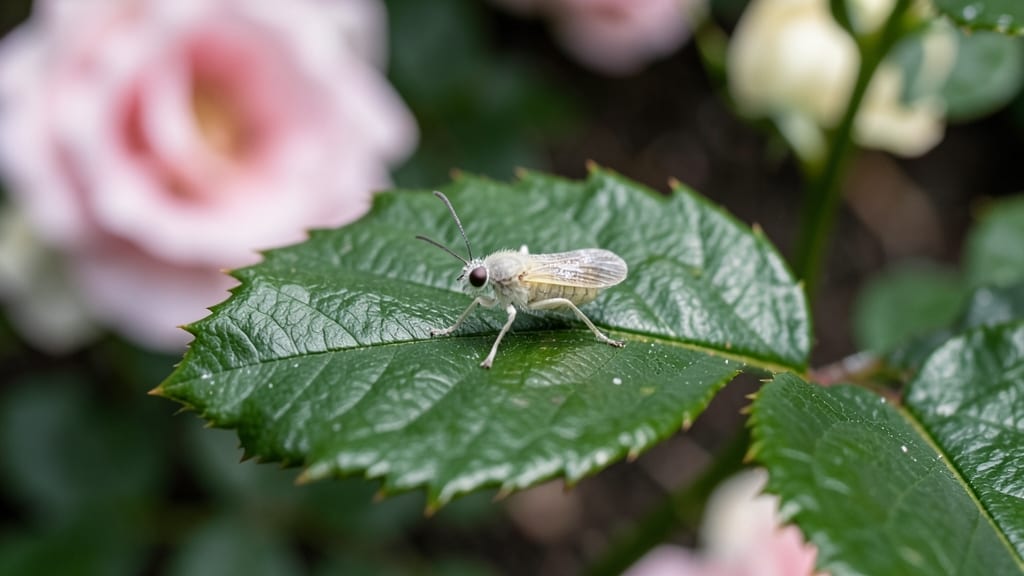
Whiteflies on roses turn your blooms into sticky messes faster than you can say "pest problem." 🌹 I've battled these tiny white flies that swarm like snowflakes in spring, and I'll show you how to stop them without harsh chemicals that harm pollinators.
The key is acting fast—these pests multiply like crazy, sucking sap and leaving behind a shiny residue that attracts sooty mold. A simple organic spray with horticultural oil or neem oil disrupts their life cycle within 3-5 days of consistent treatment, plus it's safe for bees once dried.
You'll see fewer whiteflies within a week, and your roses will rebound with fresh, healthy growth. The secret is repeated applications (every 5-7 days) and cleaning up fallen leaves where they hide. Works for all rose varieties and prevents spread to nearby plants.
Let's get those roses back to their full glory!
📚 In This Guide
- What you need
- Instructions
- Tips and common mistakes
- Wrapping up and next steps
What you need
- ● Neem oil (100% cold-pressed): 1–2 tablespoons per gallon of water (look for Azadirachta indica extract).
- ● Insecticidal soap: 1–2 teaspoons per quart of water (ensure it’s potassium salts of fatty acids—no synthetic detergents!).
- ○ Horticultural oil (optional but effective): 1–2 tablespoons per gallon (use dormant oil for extra smothering power).
- ● Spray bottle or pump sprayer: 1–2 gallons capacity (a concentrated solution sprayer saves time!).
- ● Fine-mist spray nozzle: Attachable to your sprayer for even coverage.
- ● Garden twine or yellow sticky traps: 5–10 traps (cut into 6-inch squares) to lure and monitor whiteflies.
- ● Pruning shears: Sharp, sterilized shears to trim heavily infested leaves.
- ● Gloves & long sleeves: Protect yourself from sticky residue and sap.
- ● Mix it up! Combine neem oil + insecticidal soap for a double-whammy effect.
- ● Timing is key: Spray in the early morning or late evening to avoid burning plants in sunlight.
- ● Reapply weekly: Whiteflies reproduce fast—consistency is your best defense! ✨
- ● Avoid spraying on hot days (over 90°F/32°C)—it can damage foliage.
- ● Test your spray on a small leaf first to check for sensitivity.
- ● Store oils and soaps away from kids and pets—they’re natural but still potent!
How to eliminate whitefly on roses using organic sprays
Here's my go-to method for knocking out whiteflies fast—no harsh chemicals, just targeted organic solutions that work.
🪴 Step 1: Inspect and Prepare Your Roses
Start by examining your roses closely, especially the undersides of leaves where whiteflies love to hide. Look for tiny white moth-like insects or sticky residue on leaves—this honeydew is a dead giveaway. Gather your supplies: a hose with a gentle spray nozzle, a pair of pruning shears, and a bucket of soapy water (1 tablespoon mild liquid soap per gallon of water).
Remove heavily infested leaves or stems with your shears—focus on the worst-hit areas first. Drop these into a sealed bag so you don’t spread the pests elsewhere. I always wear gloves for this step; whitefly residue can irritate skin. Trim back to healthy green growth, and discard the clippings far from your garden.
💧 Step 2: Apply the Soapy Water Spray
Fill your spray bottle with the soapy water mixture and apply it directly to the undersides of leaves where whiteflies cluster. Spray until the leaves glisten but aren’t dripping—this ensures good coverage without over-saturating the soil. I like to work in the early morning or late evening when temperatures are cooler, as this reduces stress on the plant.
Focus on the new growth and flower buds, as these are prime whitefly targets. You’ll see the insects drop to the ground immediately when hit with the solution. After spraying, let the roses dry completely in the sun—this helps the soap work its magic without harming the plant. Repeat this process every 3-4 days for at least two weeks to break the whitefly life cycle.
✂️ Step 3: Introduce Beneficial Insects
Once the soapy water treatments have reduced the whitefly population, introduce natural predators like ladybugs or lacewings. These beneficial insects are voracious whitefly hunters and will keep populations in check long-term. Purchase them from a reputable garden center and release them in the early morning when they’re most active.
I’ve found that releasing ladybugs every 2 weeks during the growing season keeps whiteflies at bay with minimal effort. Place them on the undersides of leaves where whiteflies hide—this gives them the best chance to start feeding right away. Avoid using pesticides after this point, as they’ll kill your beneficial insects too.
☀️ Step 4: Maintain a Whitefly-Free Garden
Prevent future infestations by keeping your roses healthy and stress-free. Water deeply at the base of the plant in the morning to discourage whiteflies, which thrive in dry, dusty conditions. Mulch around the base with 2-3 inches of organic mulch to retain moisture and suppress weeds, which can harbor pests.
Regularly inspect your roses, especially after bringing in new plants or cuttings. Early detection is key—catching whiteflies before they spread saves you from a full-blown infestation. If you notice new activity, repeat the soapy water spray immediately. Healthy roses with strong growth naturally resist pests, so prune regularly to encourage airflow and sunlight penetration.
Tips & tricks for eliminating whitefly on roses
Here's what I've learned from years of battling these pests—these tricks make all the difference in getting rid of whiteflies fast.
Timing is Everything: The 3-4 day spray schedule in Step 2 is non-negotiable for breaking their life cycle. Whiteflies reproduce rapidly, so consistency is key. I've found that spraying at the same time each morning creates a predictable routine that disrupts their breeding patterns. The first week is critical—don't skip days, even if you don't see immediate results.
Soap Selection Matters: Not all soaps work equally well. Use a mild liquid dish soap (like Castile soap) that's gentle on plants but effective at suffocating whiteflies. Avoid heavy-duty cleaners or soaps with fragrances—they can damage plant leaves. I've ruined leaves using harsh soaps, so stick with the mild kind specified in the instructions.
Beneficial Insect Strategy: When introducing ladybugs in Step 3, add a few drops of water to the container before releasing them. This gives them immediate hydration and energy to start hunting. I've seen ladybugs arrive dehydrated from garden centers, and they're much less effective when they need time to recover. Release them on cool mornings when they're most active—you'll notice them immediately start searching for pests.
Prevention is Proactive: The 2-3 inches of mulch mentioned in Step 4 does more than just retain moisture. It creates a barrier that discourages whiteflies from laying eggs in the soil. I've found that adding a layer of cinnamon (optional) to the mulch acts as a natural repellent—whiteflies dislike the smell. This extra step has kept my roses pest-free for entire growing seasons.
Pro Tips for Whitefly On Roses
- Here's what I've learned from years of battling these pests—these tricks make all the difference in getting rid of whiteflies fast.
- Timing is Everything: The 3-4 day spray schedule in Step 2 is non-negotiable for breaking their life cycle.
- Soap Selection Matters: Not all soaps work equally well.
Frequently asked questions
Got questions about tackling whitefly on your roses? You’re not alone! Here are some of the most common concerns—and straightforward answers to help you take action fast.
What do whitefly look like, and how do I confirm they’re on my roses?
Whiteflies are tiny, white, moth-like insects (about 1/16 inch long) that cluster on the undersides of leaves. They flutter away when disturbed. Check for sticky residue (honeydew) on leaves or a black sooty mold growing on it—both are telltale signs. Use a magnifying glass for a closer look!
How quickly will an organic spray work to eliminate whitefly?
Most organic sprays (like neem oil or insecticidal soap) start killing whiteflies within 24–48 hours, but repeat treatments every 7–10 days for 2–3 weeks are key. Adults lay eggs quickly, so consistency is critical. For severe infestations, combine sprays with physical removal (like yellow sticky traps).
Can I still use organic sprays if I have other beneficial insects in my garden?
Yes, but choose selective sprays like neem oil or horticultural oil, which target soft-bodied pests like whitefly while sparing bees, ladybugs, and lacewings. Apply sprays early in the morning when pollinators are less active, and avoid spraying flowers directly. Always follow label instructions!
Where’s the best place to buy organic whitefly sprays for roses?
Check local garden centers, home improvement stores (like Home Depot or Lowe’s), or order online from trusted retailers like Bonide, Garden Safe, or Amazon. Look for products labeled OMRI-listed for organic certification. Pro tip: Buy ready-to-use sprays for convenience!
What should I do if whitefly keep coming back after treatment?
Rebound infestations often mean eggs or adults survived. Rotate treatments (e.g., neem oil one week, insecticidal soap the next), and add physical barriers like fine mesh netting over new growth. Prune heavily infested leaves and dispose of them in sealed bags. Yellow sticky traps can also help monitor and reduce adult populations.
Bonus Tip:
For prevention, encourage natural predators like lacewings, ladybugs, and parasitic wasps by planting companion flowers (e.g., marigolds or dill). Healthy roses with good airflow are less attractive to whitefly—so mulch, water deeply, and avoid over-fertilizing with nitrogen!
Wrapping up and next steps
Dealing with whitefly on roses doesn’t have to feel overwhelming—with the right organic spray solution, you can regain control of your garden naturally! 🌿 The key is acting quickly, using a mix of neem oil, insecticidal soap, and companion plants to disrupt their life cycle.
Remember, consistency is your best ally, so check your roses regularly and repeat treatments as needed.
You’ve got this! Start by preparing your spray today, and soon your roses will be thriving—without a single whitefly in sight. 🌸 Ready to take action? Grab your supplies and give your garden the fresh start it deserves!