
Diseases
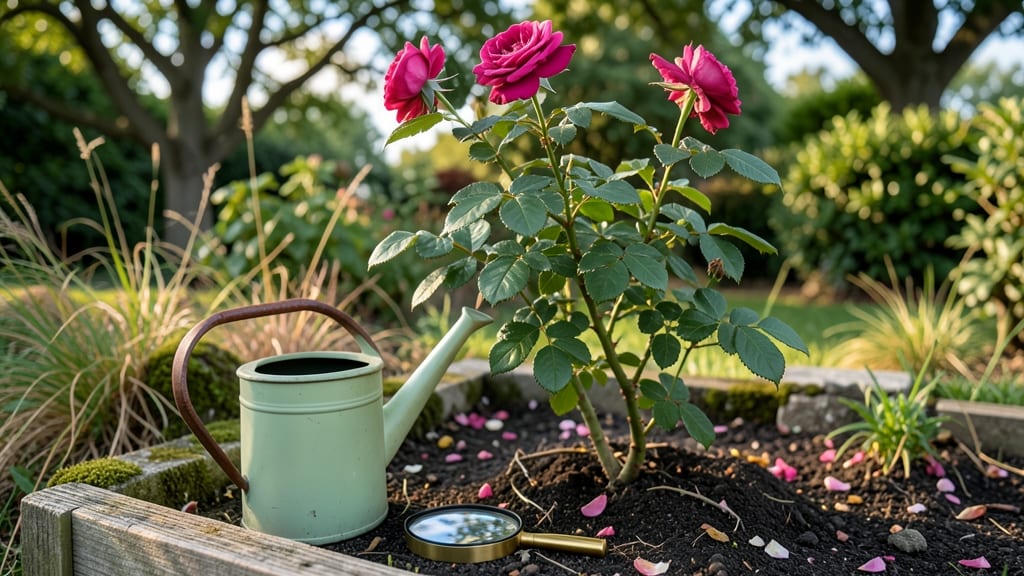
Your roses are screaming for help—but the brown petals aren’t just ugly, they’re a warning sign. 🌹 Fungal blight (like black spot) thrives in damp, crowded roses, turning vibrant blooms into crispy messes faster than you can say "pruning shears."
The good news? This fix is simpler than you think, and it starts with understanding the real culprit behind those sad, splotchy petals.
Most gardeners assume brown petals mean "not enough water"—wrong. Overwatering, poor airflow, and sticky leaves create the perfect fungal buffet. Even nutrient deficiencies or pest damage (like spider mites) can mimic blight symptoms.
The key? Check for black spots, yellowing leaves, or powdery coatings. If you see those, your roses are under siege—and organic sprays can turn the tide in just 2 weeks.
You’ll prune out infected stems first (sterilize your tools!), then switch to morning watering and space plants for airflow. A weekly spray of neem oil or baking soda mix halts fungal spread while strengthening petals.
By midseason, your roses will rebound with bold, disease-free blooms that last longer and smell sweeter—no chemicals required.
This works for hybrid teas, climbers, and shrub roses alike, even in humid climates. The secret? Consistency. Skip the guesswork and follow the step-by-step fixes—your roses will thank you with a second flush of blooms by summer’s end.
Hidden Causes Behind Brown Petals
When your roses start showing brown, crispy, or discolored petals, it’s rarely just a random act of nature—it’s usually a sign that something’s off in their care. Understanding the why behind the browning is the first step to saving your blooms.
Below, we break down the most common culprits, explained in simple terms with actionable science.
Roses are tough, but they hate sudden temperature swings. When nights dip below 40°F (4°C) or days soar above 90°F (32°C), petals can scorch or freeze, turning brown at the edges. This is especially true for hybrid teas and grandifloras, which are more sensitive.
Why it happens:
- Cold damage: Freezing temps rupture cell walls, causing oxidative stress—the plant’s cells essentially "rust" from the inside out.
- Heat stress: High temps increase transpiration (water loss) faster than roots can replace it, leading to desiccation (drying out).
- Sunburn: Petals exposed to direct midday sun after a cold night can blanch (turn white) and then brown, a condition called sunscald.
🔍 What to look for:
- Brown edges only on petals (not stems or leaves).
- Symptoms appear overnight or after extreme heatwaves.
- Young, tender blooms are more vulnerable than mature ones.
Brown, mushy petals that feel soggy to the touch? That’s your roses’ way of screaming, "I’m drowning!" Overwatering (or compacted, waterlogged soil) cuts off oxygen to roots, starving the plant and causing petal necrosis (cell death).
Why it happens:
- Root suffocation: Waterlogged soil displaces oxygen, forcing roots to switch to anaerobic respiration—a slow, toxic process that builds up ethanol and lactic acid, poisoning the plant.
- Fungal entry points: Wet petals create the perfect moisture film for pathogens like Botrytis cinerea (gray mold) to latch on.
- Nutrient leaching: Excess water washes away essential minerals (like magnesium and calcium), weakening cell structure.
🔍 What to look for:
- Brown petals with a dark, water-soaked appearance.
- Stems that feel soft or spongy when pressed.
- Yellowing leaves before petals brown (a sign of root stress).
If your rose petals are brown, fuzzy, or covered in black spots, a fungus is likely the culprit. Fungal diseases thrive in humid, stagnant conditions and can spread overnight if left unchecked. The two most common offenders?
🍄 Black Spot (Diplocarpon rosae)
Why it happens:
- This fungus spores in wet conditions, landing on petals and leaves to form dark, circular lesions with yellow halos.
- It clogs stomata (leaf pores), blocking gas exchange and causing petal drop.
- Weakened roses (from stress or poor nutrition) are easy targets.
🍄 Botrytis Blight (Botrytis cinerea)
Why it happens:
- This gray mold loves crowded, humid environments (like greenhouses or thick rose bushes).
- It feeds on dead tissue first, then spreads to healthy petals, causing them to turn brown and leathery.
- Petals may stick together with a gray, fuzzy coating.
🔍 What to look for:
- Brown spots with fuzzy edges (Botrytis) or raised black dots (Black Spot).
- Symptoms worsen in shade or after rain.
- Leaves may yellow and drop before petals brown.
Brown, crispy petals with yellow veins? Your roses might be starving—specifically for magnesium, calcium, or potassium. These minerals are the building blocks of healthy cell walls, and without them, petals lose structure and brown prematurely.
Why it happens:
| Deficiency | Symptoms on Petals | Root Cause |
|---|---|---|
| Magnesium (Mg) | Brown edges with yellow centers; petals feel leathery. | Poor soil (clay or sandy), overwatering, or high potassium blocking uptake. |
| Calcium (Ca) | Brown, dead spots (like scorch); petals curl inward. | Acidic soil (pH < 6.0), compacted roots, or salt buildup. |
| Potassium (K) | Brown tips and weak stems; petals wilt easily. | Poor soil, over-fertilizing with nitrogen, or drought stress. |
🔍 What to look for:
- Brown petals paired with yellowing leaves.
- Symptoms start on older blooms first.
- Soil test reveals low levels of the missing nutrient.
💡 Pro Tip: If you suspect a deficiency, test your soil first—adding the wrong fertilizer can make it worse. For magnesium, use Epsom salt (1 tbsp/gal of water) as a foliar spray. For calcium, crushed eggshells or lime work best
Fixing Brown Rose Petals Naturally
Now that you’ve identified why your rose petals are turning brown—whether it’s fungal blight, overwatering, or nutrient deficiencies—it’s time to take action! Here’s a step-by-step guide to revive your roses using organic, effective solutions that won’t harm your plants or the environment.
If your roses are suffering from black spot, powdery mildew, or rust, these fungal infections need immediate attention. The key is prevention + treatment—don’t wait until the problem spreads!
🔥 Step 1: Remove Infected Leaves & Petals
- 👨🍳 Prune away all brown, spotted, or yellowing leaves and petals.
- ⏰ Do this in the morning so the plant has time to dry before nightfall (moisture fuels fungi).
- 🗑️ Dispose of infected debris in the trash (not compost)—fungi can survive and reinfect.
🥘 Step 2: Apply a Fungicide Spray (Organic Options)
Use one of these DIY or store-bought organic sprays every 7–10 days until the issue clears:
| Solution | How to Use | Prevention Tip |
|---|---|---|
| Neem Oil Spray | Mix 1 tbsp neem oil + 1 tsp mild soap + 1 quart water. Spray evenly on both sides of leaves. | ✨ Spray in the evening to avoid leaf burn. |
| Baking Soda Solution | Combine 1 tbsp baking soda + 1 quart water + a few drops of dish soap. Spray directly on infected areas. | 🌡️ Use only in warm weather (cold temps reduce effectiveness). |
| Copper Fungicide | Follow package instructions (e.g., Bonide Copper Fungicide). Apply at dusk to avoid UV damage. | 💡 Rotate with neem oil to prevent resistance. |
| Milk Spray (Lactobacillus) | Mix 1 part milk + 9 parts water. Spray weekly for prevention. | 🥛 Best for powdery mildew—works like a natural fungicide! |
🌱 Step 3: Improve Air Circulation & Light
- 🌬️ Prune overcrowded branches to allow better airflow (fungi thrive in humid, stagnant air).
- ☀️ Ensure 6+ hours of sunlight daily—roses need direct light to stay healthy.
- 💨 Use a small fan (on low) near roses if humidity is high (e.g., in greenhouses or shaded areas).
If your roses are wilting, with mushy stems, or brown petals from excess moisture, follow these drainage and watering fixes:
🔥 Step 1: Check Soil Moisture Before Watering
- 👩🌾 Stick your finger 1–2 inches into the soil—if it’s damp, wait before watering.
- 🌧️ Water deeply but infrequently—roses prefer dry spells between waterings.
- ⏰ Water in the morning (avoid evening watering to prevent fungal growth).
🥘 Step 2: Improve Drainage
- 🏗️ Amend heavy clay soil with compost, perlite, or sand to help water drain faster.
- 🪴 If potted, ensure drainage holes—if not, repot immediately into a container with gravel at the bottom.
- 🌿 Mulch properly—use 2–3 inches of organic mulch (like wood chips) to retain moisture without suffocating roots.
🌱 Step 3: Adjust Watering Habits
- 💧 Water at the base (not overhead) to prevent petal browning from fungal splash.
- 🌡️ Reduce watering in winter—roses need less moisture when dormant.
- 🔄 Use a moisture meter if unsure—keep soil between 40–60% moisture (not soggy).
Brown petals can also signal nutrient deficiencies (like iron, magnesium, or nitrogen). Here’s how to feed your roses right:
🔥 Step 1: Test Your Soil
- 📊 Use a soil test kit (available at garden centers) to check pH and nutrient levels.
- 🌱 Ideal pH for roses: 6.0–6.5 (too acidic or alkaline causes deficiencies).
🥘 Step 2: Apply Organic Fertilizers
| Deficiency | Symptoms | Fix It With | Prevention Tip |
|---|---|---|---|
| Nitrogen (N) | Pale green leaves, slow growth | 🌿 Compost, fish emulsion, or blood meal | 💡 Feed every 4–6 weeks in growing season |
| Iron (Fe) | Yellow leaves with green veins | 🍎 Chelated iron supplement or Epsom salt (1 tbsp/gallon water) | 🌱 Water well after applying to avoid root burn |
| Magnesium (Mg) | Yellow patches between veins | 🥛 Epsom salt spray (2 tbsp/gallon) | 🌡️ Apply in warm weather for best absorption |
| Potassium (K) | Weak stems, brown leaf edges | 🍠 Banana peel tea or greensand | 🍎 Use in late summer for winter prep |
🌱 Step 3: Feed with Natural Boosters
- 🍎 Coffee grounds (for nitrogen) – Sprinkle ½ cup around the base monthly.
- 🥛 Eggshells (for calcium) – Crush and mix into soil 2–3 times a year.
- 🍠 Banana peels (for potassium) – Bury chopped peels near roots.
Once your roses are healthy, keep them thriving with these easy maintenance habits:
- 💡 Prune regularly – Remove dead or crossing branches to improve airflow.
- 🌡️ Monitor humidity – Use a hygrometer to keep levels below 60%.
- 🍄 Spray preventatively – Apply neem oil or milk spray every 2 weeks during humid seasons.
- 🌱 Rotate fertilizers – Avoid overusing one type to prevent imbalances.
- 🌧️ Water wisely – Deep and infrequent is better than shallow daily watering.
🎯 Pro Tip: Keep a gardening journal to track when you water, fertilize, and spray—this helps you spot patterns in browning before they worsen!
With these simple, organic fixes, your roses should bounce back with vibrant, healthy petals in no time. 🌹✨
Frequently asked questions about brown rose petals
Why do my rose petals turn brown in the middle of summer?
Extreme heat (above 90°F/32°C) causes transpiration stress, where roses lose water faster than roots can replace it. This leads to sunscald—petals turn brown at the edges while staying green in the center. Provide afternoon shade or mulch heavily to retain moisture.
Can I save roses with brown petals caused by black spot?
Yes! First, prune all infected leaves/petals and dispose of them (don’t compost). Then apply a neem oil spray (1 tbsp oil + 1 tsp soap per quart of water) every 7 days until new growth appears. Keep humidity below 60% to prevent recurrence.
What’s the fastest way to fix overwatered roses?
Stop watering immediately and amend soil with perlite or sand to improve drainage. For potted roses, repot into a container with gravel at the bottom. Water only when the top 1–2 inches of soil are dry, and water at the base—not overhead.
Are brown petals always a sign of disease?
Not always! Check for these non-fungal causes first: nutrient deficiencies (yellow veins = magnesium), pest damage (aphids leave sticky residue), or chemical burns (from over-fertilizing). A soil test can confirm deficiencies.
How often should I spray my roses to prevent browning?
For prevention, spray with neem oil or milk solution (1:9 ratio) every 2 weeks during humid seasons. If you’ve had past issues, increase to weekly sprays until new growth appears. Always spray in the evening to avoid leaf burn.