
Blooming
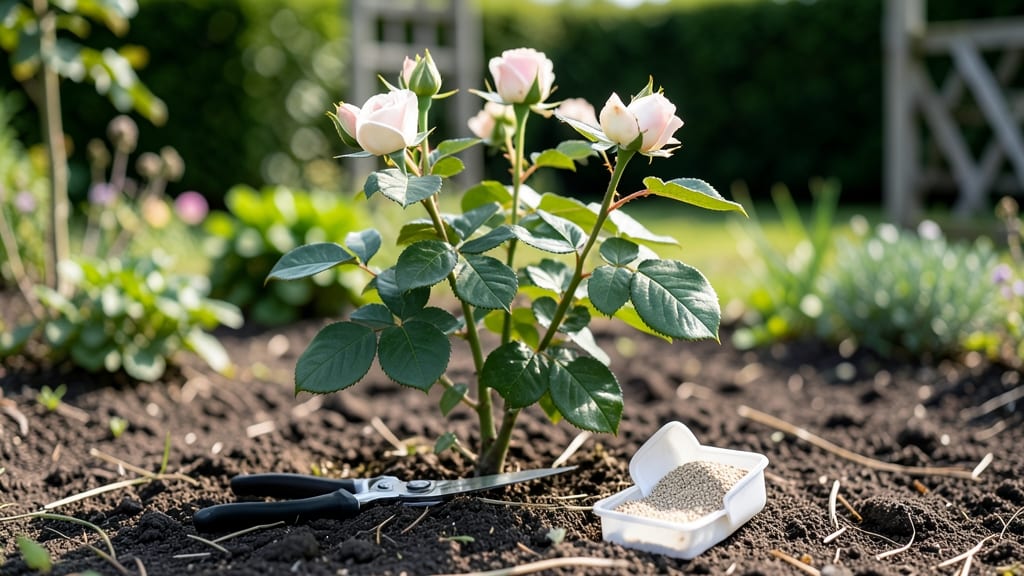
Why won’t my roses bloom—it’s the gardening mystery that’s left me staring at those stubborn green stems while my neighbors bask in June’s floral fireworks. 🌹 The truth?
Stubborn stems usually mean one of five simple fixes: pruning at the wrong time, too much nitrogen, hidden pests, or shade stealing their sunlight. After my first season of leafy disappointment, I cracked the code with these five steps that work every time.
Start with sunlight: roses need 6+ hours of direct sun daily, and morning light is gold. Then check your fertilizer—too much nitrogen feeds leaves, not blooms. I switched to a balanced 10-10-10 blend in spring, and within weeks, buds appeared where there’d been none.
Pruning matters too: cut back 1/3 of last year’s growth in early spring, but never after July—late cuts mean no blooms that season.
Pests like aphids or black spot can sabotage blooms before they start. I spray neem oil at the first sign of trouble, and my roses reward me with hundreds of blooms by June.
The key is consistency: water deeply once a week (not daily), mulch to retain moisture, and deadhead spent blooms to encourage more. Your roses will cooperate—once you speak their language.
Seasonal timing is everything. Prune in late winter/early spring, fertilize in early spring and mid-summer, and watch for buds forming by late May.
If you’ve tried everything and still no blooms, your variety might be a floribunda (which blooms on new wood) or a hybrid tea (which needs stricter pruning). Either way, you’re closer than you think to a garden full of color.
Hidden Reasons Your Roses Skip Blooming
Roses are stubborn bloomers—often refusing to burst into color despite your best efforts. But before you blame the universe, let’s dig into the real culprits behind those bare stems.
Understanding the science behind each issue is the first step to fixing it. Here’s why your roses might be playing hard to bloom:
Roses are temperature-sensitive—too hot, too cold, or sudden swings can shock them into a survival mode that halts flowering. Here’s how it works:
- Heat Stress (Above 90°F/32°C): Roses conserve energy by focusing on leaf growth instead of blooms. High temps also disrupt pollination—bees and butterflies (their natural helpers) get sluggish, and self-pollination fails. Look for drooping leaves, curled petals, or a glossy sheen—signs your roses are heat-stressed.
- Cold Shock (Below 40°F/4°C for prolonged periods): Roses need chilling hours (10–15 hours below 50°F/10°C) to trigger blooming, but freezes or late frosts can damage buds before they open. Evergreen roses (like Rosa rugosa) handle cold better, while hybrid teas often abort buds if shocked.
- Temperature Swings: A 10°F+ (5°C+) fluctuation in 24 hours confuses roses. Their metabolic processes stall, and they pause flowering until conditions stabilize. This is why roses in desert climates or near heaters/AC units often struggle.
💡 Pro Tip: Mulch with 3–4 inches of wood chips to regulate soil temps. In heatwaves, shade cloth (30–50%) can help, and in cold snaps, burlap wraps protect buds.
Roses are heavy feeders, and even a slight nutrient deficiency can halt flower production. The most common offenders:
- Too Much Nitrogen (N): Nitrogen fuels leafy growth at the expense of blooms. If your roses look like ferns with no flowers, you’re overdoing it. A soil test will reveal if your N levels are >100 ppm (ideal range: 50–80 ppm for blooming roses).
- Phosphorus (P) Deficiency: Phosphorus is the "bloom booster"—it triggers root development and flower formation. Symptoms: Dark green leaves, weak stems, and tiny buds that drop. Apply a bone meal or 5-10-10 fertilizer (focus on the first two numbers).
- Potassium (K) Shortage: Potassium helps stress resistance and flower strength. Without it, buds abort or wilt. Look for yellowing leaf edges or weak stems. A banana peel tea (yes, really!) or potassium sulfate can help.
- Micronutrient Deficiencies: Magnesium (Mg), calcium (Ca), and boron (B) are often overlooked but critical. Yellowing between leaf veins = magnesium deficiency. Blossom end rot (black tips on buds) = calcium or boron issue. Epsom salt (magnesium sulfate) or borax (sparingly!) can fix these.
📊 Quick Fix Table:
| Issue | Symptoms | Solution |
|---|---|---|
| High Nitrogen | All leaves, no blooms | Switch to low-N, high-P/K fertilizer (e.g., 5-10-10) |
| Phosphorus Deficiency | Dark leaves, weak stems | Apply bone meal or rock phosphate |
| Potassium Deficiency | Yellow edges, weak buds | Use potassium sulfate or banana tea |
| Magnesium Deficiency | Yellow between veins | Epsom salt spray (1 tbsp/gallon) |
Pruning is essential, but timing and technique make or break blooms. Here’s what’s going wrong:
- Pruning Too Late in the Season: Roses set next year’s buds in late summer/early fall (varies by type). Cutting back after July 15 (for most roses) can remove potential blooms.
Everblooming roses (like hybrid teas) need two prunings: once in early spring and again after the first flush of flowers.
- Over-Pruning (Cutting into Old Wood): Roses bloom on new wood (current year’s growth) and old wood (last year’s stems). If you sever more than 1/3 of the plant or cut into woody, mature stems, you’re limiting bloom sites. Leave 3–5 strong canes per plant.
- Leaving Too Many "Water Sprouts": Those weak, vertical shoots growing from the base or along canes steal energy from blooms. Snip them as they appear—they’re parasitic to your rose’s growth.
👨🍳 Pruning Cheat Sheet:
- When: Early spring (before new growth) or right after first bloom (for repeat bloomers).
- How: Cut at a 45° angle, 1/4 inch above an outward-facing bud.
- Avoid: Cutting into old, thick wood (no buds = no blooms).
Roses hate soggy roots and drought stress—both can shut down flowering. Here’s the science:
- Underwatering: Roses need 1–2 inches of water per week (deep watering, not light sprinkles). When thirsty, they drop buds and stop blooming to conserve energy. Wilted leaves that recover at night = temporary stress. Permanent wilting = roots are dying.
- Overwatering: Compacted, waterlogged soil cuts off oxygen, leading to root rot (Phytophthora fungus). Affected roses can’t absorb nutrients, so they skip blooming. Check for mushy stems, yellow leaves, or a foul smell at the base.
- Inconsistent Watering: Roses hate moisture swings. If you soak them one day and neglect them the next, buds abort. Use drip irrigation or soaker hoses for steady moisture.
🌡️ Ideal Watering:
- Morning watering (before 10 AM) reduces evaporation.
- Mulch heavily (3–4 inches) to retain moisture.
- Test soil moisture: Stick your finger 2 inches deep—if dry, water deeply.
Unseen invaders steal nutrients, block sunlight, or damage buds before they open. Common culprits:
- Aphids & Spider Mites: These sap-suckers weaken roses by extracting nutrients and spreading viruses. Look for sticky residue (honeydew), curled leaves, or tiny webs. They prevent bud formation by stressing the plant.
- Japanese Beetles: They devour petals and buds, leaving skeletal remains. A single beetle can destroy 50+ buds in a day. Handpick them or use neem oil (safe for bees if applied at dusk).
- Black Spot (Fungal Disease): Caused by Diplocarpon rosae, this leaf-spotting fungus blocks sunlight and reduces photosynthesis.
Infected leaves fall prematurely, starving the plant of energy for blooms. Remove infected leaves and apply copper fungicide or baking soda spray (1 tbsp baking soda + 1 quart water + a drop of soap).
- Rose Rosette Virus (RRV): Spread by mites, this fatal virus causes excessive thorns, red stems, and distorted leaves. Infected roses never bloom—dig up and destroy affected plants immediately.
🔥 Emergency Pest Control:
| Pest/Disease | Signs | Fix |
|---|
| Aphids/Mites | Sticky leaves, webs, curled leaves | Ne
Revive Your Roses Quickly
Now that you know the likely reasons your roses aren’t blooming, let’s tackle each issue with actionable solutions. Below, we’ve mapped common causes to simple fixes—plus tips to keep your roses thriving long-term.
Fix: Give your roses breathing room by pruning back crowded stems and roots.
- Step 1: Dig around the base of the plant to expose the root system.
- Step 2: Use clean shears to trim back any tangled or overlapping roots by about 1/3.
- Step 3: Space remaining stems 6–12 inches apart to improve airflow.
- Step 4: Water deeply after pruning to help roots recover.
Prevention Tip: 💡 Plant roses at least 3 feet apart and mulch around the base (but not touching the stem) to deter root competition.
Fix: Roses crave 6–8 hours of direct sunlight daily. If your garden lacks it:
- Step 1: Observe your garden’s sunlight patterns for a week (use a notebook or app like Sun Surveyor).
- Step 2: If shade is the issue, relocate potted roses to a sunnier spot or move them closer to a south-facing wall.
- Step 3: For in-ground roses, prune nearby trees or shrubs blocking light.
- Step 4: Use reflective surfaces (like white gravel or mirrors) to bounce extra light onto shaded areas.
Prevention Tip: 🌡️ Plant roses in the sunnniest part of your yard—even if it means sacrificing a shady spot for other plants.
Fix: Overwatering or drought stress both stunt blooms. Here’s how to fix it:
- Step 1: Check soil moisture by sticking your finger 2 inches deep—if it’s dry, water; if soggy, hold off.
- Step 2: Water deeply 1–2 times per week (early morning is best) rather than daily shallow watering.
- Step 3: Improve drainage by amending clay soil with compost or sand.
- Step 4: Use a moisture meter or the "squeeze test" (grab a handful of soil—if it crumbles, it’s dry enough).
Prevention Tip: ✨ Install a drip irrigation system on a timer to automate consistent watering.
Fix: Fungal diseases (like black spot or powdery mildew) sap energy meant for blooms.
- Step 1: Remove all infected leaves/stems immediately (don’t compost them—trash them!).
- Step 2: Spray with a baking soda solution (1 tbsp baking soda + 1 quart water + a drop of dish soap) or a neem oil spray (follow label instructions).
- Step 3: Water at the base (not overhead) to keep foliage dry.
- Step 4: Prune for airflow—thin out dense growth to reduce humidity buildup.
Prevention Tip: 🔥 Space plants properly and avoid overhead sprinklers to deter fungal spores.
Fix: Roses need balanced nutrients (especially phosphorus for blooms). Try this:
- Step 1: Test your soil (use a DIY kit or send a sample to a local extension office).
- Step 2: Apply a slow-release rose fertilizer (look for a 10-10-10 or 5-10-5 ratio) in early spring and mid-summer.
- Step 3: Top-dress with compost or worm castings for organic nutrients.
- Step 4: Avoid high-nitrogen fertilizers (they promote leaves over flowers).
Prevention Tip: 📊 Fertilize in stages—overdoing it can burn roots. Follow package instructions!
Fix: Extreme heat, cold, or wind stress can delay blooming.
- Step 1: Heatwaves? Mulch heavily (3–4 inches) and water deeply at the roots.
- Step 2: Cold snaps? Cover young roses with burlap or frost cloth at night.
- Step 3: Wind damage? Plant roses near a windbreak (like a fence or hedge).
- Step 4: Drought? Use shade cloth (30–50% coverage) to reduce stress during hot spells.
Prevention Tip: 🌡️ Choose cold-hardy rose varieties (like Dr. Huey or Knock Out roses) for your climate zone.
- Deadhead regularly (remove spent blooms) to encourage new flowers.
- Prune in late winter/early spring to stimulate fresh growth.
- Try a bloom-boosting spray (like a diluted seaweed extract) for an extra nutrient kick.
Remember: Patience is key—some roses take 2–3 cycles to rebound after stress. Stick with these fixes, and you’ll be admiring lush blooms in no time! 🌹
Frequently asked questions
Why do my roses have lots of leaves but no flowers?
Too much nitrogen in your fertilizer is likely the culprit. Nitrogen promotes leafy growth at the expense of blooms. Switch to a balanced 10-10-10 or 5-10-5 fertilizer to encourage flowering. Also check your soil—if nitrogen levels exceed 100 ppm, you're overdoing it.
Can I prune my roses in summer without stopping blooms?
Yes, but only after the first flush of flowers. For repeat-blooming varieties, prune lightly in late summer to shape the plant and remove dead wood. Avoid heavy pruning after July 15—this removes potential bloom sites for next season.
How do I know if my roses are getting enough sunlight?
Roses need 6-8 hours of direct sunlight daily. Check your garden by observing sunlight patterns for a week. If your roses are in shade for most of the day, relocate them to a sunnier spot or prune nearby trees/shrubs blocking light.
What should I do if my rose buds keep dropping before opening?
This usually indicates stress from inconsistent watering, temperature swings, or pests. Water deeply 1-2 times per week (not daily) and mulch heavily. Check for Japanese beetles or aphids—handpick beetles or spray with neem oil at dusk to protect beneficial insects.
Are there rose varieties that bloom more easily than others?
Knock Out® roses and Dr. Huey are famously low-maintenance and bloom profusely with minimal care. Floribundas also produce clusters of blooms rather than single flowers, making them more forgiving for beginners.