
Shrubs
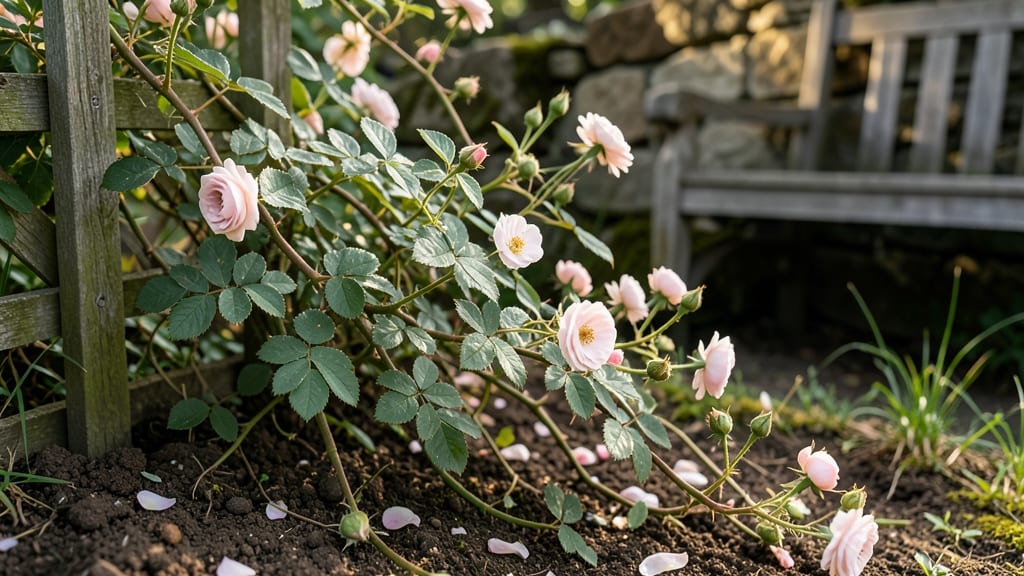
Wild climbing roses transform bare walls into fragrant, blossom-covered canopies with almost no effort from you. 🌿 These hardy vines thrive on neglect, sending out arching stems that climb naturally without needing fancy trellises—just give them space and a sturdy support to lean against.
The secret to their year-round blooms lies in minimal pruning and understanding their wild nature. Unlike fussy hybrid roses, wild climbers love sun but tolerate partial shade, and they’re happy in almost any soil as long as it drains well.
Plant them near a fence, arbor, or even a sturdy tree branch—they’ll find their own way upward. The first year focuses on establishing roots, so hold off on heavy pruning until you see vigorous growth.
By summer’s end, you’ll have a vine covered in clusters of delicate blooms that perfume the air and attract pollinators. The best part? These roses spread naturally, creating a living tapestry of green and blossoms that needs only occasional trimming to keep it lush.
Let’s get your wild rose garden started!
Start with bare-root plants in early spring or fall, planting them slightly deeper than they were in the nursery to encourage strong root growth. Space them 6–10 feet apart if you want them to spread freely, or closer if you’re training them along a fence.
Wild roses don’t need rich soil—just good drainage—and they’ll reward you with minimal care. Pruning is the key to year-round blooms. Cut back old, bare stems in late winter to encourage new growth, but leave some older wood for structure.
These roses bloom on both old and new wood, so a light trim in early summer keeps them producing flowers without sacrificing next year’s blooms. Think of it as shaping a living sculpture rather than a strict pruning schedule.
Their wild nature means they’ll spread where they please, so give them room or contain them with a deep root barrier if needed. Mulch around the base to keep roots cool and retain moisture, but avoid overwatering—these roses are drought-tolerant once established.
With just a little guidance, your wild climbing rose will become the star of your garden, blooming effortlessly from spring to frost.
📚 In This Guide
- What you need
- Instructions
- Tips and common mistakes
- Wrapping up and next steps
What you need
- ● Wild climbing rose plant: 1-2 healthy Rosa multiflora or Rosa wichurana cuttings (6-12 inches long, pencil-thick)
- ● OR 1-2 bare-root plants (available at nurseries in early spring)
- ● Growing medium: Well-draining potting mix (50% peat moss, 30% perlite, 20% compost) OR native garden soil (amended with compost)
- ● 1-2 gallons of organic compost (for transplanting)
- ● Support structure: Trellis, arbor, fence, or sturdy stakes (8+ feet tall for vigorous climbers)
- ● Soft garden twine or plant ties (10-20 feet, depending on structure)
- ● Watering tools: Watering can or hose with a gentle spray nozzle
- ○ Drip irrigation system (optional but ideal for consistent moisture)
- ● Pruning tools: Sharp bypass pruners (for clean cuts)
- ● Loppers (for thicker stems, 3/4-inch diameter or less)
- ● Disinfectant (rubbing alcohol or bleach solution for sterilizing tools)
- ● Rooting hormone (to boost cutting success)
- ● Mulch (2-3 inches of wood chips or straw to retain moisture)
- ● Fertilizer (balanced 10-10-10 or rose-specific formula, applied in early spring)
- ● Glove (thorn-proof for handling stems)
- ● pH test kit (ideal soil pH: 6.0-6.5 for roses)
How to grow a wild climbing rose with minimal effort
Here's the straightforward method I use to grow fragrant, year-round blooming roses with almost no fuss.
🪴 Step 1: Select the Right Location and Prepare the Soil
Wild climbing roses thrive in full sun—pick a spot that gets at least 6 hours of direct sunlight daily. I always choose a spot near a fence, trellis, or arbor where the vine can naturally climb. The soil should drain well but retain some moisture, so if your yard is heavy clay, mix in 2-3 inches of compost to improve drainage.
Dig a hole twice as wide as the root ball but only as deep as the container it came in. This prevents burying the graft union (if your rose has one) too deeply, which can weaken the plant. Loosen the roots gently if they're circling the root ball—this encourages them to spread outward.
☀️ Step 2: Plant and Water Deeply for Strong Root Establishment
Place the rose in the hole, backfill with soil, and water deeply until the soil is evenly moist 6 inches down. I like to use a soaker hose for this because it waters slowly and encourages roots to grow deeper. Avoid overhead watering at this stage—it can compact the soil and smother new roots.
After planting, add a 2-3 inch layer of mulch around the base (but not touching the stem) to retain moisture and suppress weeds. This is where I often see beginners go wrong—they skip mulching, and the soil dries out too fast. Mulch also keeps the roots cool in summer and insulated in winter.
✂️ Step 3: Train the Vine and Prune for Continuous Blooms
Wild climbing roses bloom on both old and new wood, so pruning isn't about shaping—it's about encouraging healthy growth. In early spring, cut back any dead or crossing branches to open the center of the plant. This improves airflow and reduces disease risk. I also remove any suckers (shoots growing from the base) unless you want a bushier plant.
Throughout the growing season, tie new canes to the trellis or support structure with soft plant ties. Don't let them flop—they'll get tangled and break under their own weight. After the first flush of blooms, give the vine a light trim to encourage a second wave of flowers. This is the secret to year-round blooms.
💧 Step 4: Water and Feed for Fragrant, Healthy Growth
Water deeply once a week during the first growing season to establish strong roots. Once established, roses are surprisingly drought-tolerant, but they'll reward you with more fragrant blooms if you keep the soil consistently moist. I test this by sticking my finger 2 inches into the soil—if it feels dry, it's time to water.
Feed with a balanced rose fertilizer (10-10-10) in early spring and again after the first blooms fade. I avoid high-nitrogen fertilizers—they encourage leafy growth at the expense of flowers. A slow-release fertilizer applied in spring is all you need for healthy, fragrant blooms.
⏰ Step 5: Winter Care for Year-Round Blooms
Wild climbing roses are hardy, but young plants benefit from winter protection. In late fall, wrap the canes loosely with burlap or frost cloth and secure them to the trellis. This prevents wind damage and insulates the plant. I also add an extra 2 inches of mulch around the base to keep roots warm.
In early spring, remove the winter wrapping as soon as new growth appears. This encourages the plant to wake up and start blooming earlier. With minimal winter care, your rose will reward you with fragrant blooms well into fall—sometimes even through winter in mild climates.
Tips & tricks for perfect wild climbing roses
Here's what I've learned after growing these fragrant vines for years—simple secrets that make all the difference.
Sunlight Strategy: Those 6 hours of direct sunlight are non-negotiable, but don't panic if your spot gets slightly less. I've had success with 5 hours in partial shade, though blooms will be fewer. What matters most is morning sun—afternoon shade helps prevent leaf scorch. Place your rose where it gets sun from 9 AM to 2 PM for best results.
Planting Precision: When you're digging that hole twice as wide as the root ball, focus on the sides more than depth. The roots need room to spread outward, not downward. I like to make gentle slits in the sides of the root ball with a knife before planting—this encourages roots to grow into the surrounding soil immediately. Don't worry about perfecting the depth; just match the container level.
Watering Wisdom: That 6-inch deep watering after planting is crucial, but don't overdo it afterward. I've ruined roses by keeping soil soggy—water only when the top 2 inches feel dry. A soaker hose is perfect because it delivers water slowly to the roots where it's needed, rather than wetting the leaves where diseases lurk. Water in the morning so foliage has time to dry before evening.
Pruning Payoff: The light trim after first blooms is your secret weapon for year-round flowers. I cut back by about one-third of the current season's growth, focusing on the longest stems. This stimulates new growth that will bloom again. Always use clean, sharp pruners and make cuts just above an outward-facing bud. The light trim keeps the plant healthy without sacrificing next year's blooms.
Pro Tips for Wild Climbing Rose
- Here's what I've learned after growing these fragrant vines for years—simple secrets that make all the difference.
- Sunlight Strategy: Those 6 hours of direct sunlight are non-negotiable, but don't panic if your spot gets slightly less.
- Planting Precision: When you're digging that hole twice as wide as the root ball, focus on the sides more than depth.
Frequently asked questions
Got questions about growing wild climbing roses? You’re not alone! Here are some of the most common queries—and their answers—to help you cultivate these fragrant beauties with confidence.
When is the best time to plant wild climbing roses?
Plant your climbing roses in early spring (after the last frost) or fall (6-8 weeks before the first frost). This gives roots time to establish before extreme temperatures. Avoid planting in summer heat or winter cold, as stress can stunt growth.
How much sunlight do wild climbing roses need daily?
These vines thrive in full sun (6-8 hours daily), but they tolerate partial shade (4-6 hours) in hot climates. Too little light? Expect fewer blooms and leggy growth. South-facing walls or trellises work best for maximum fragrance and color.
How often should I prune wild climbing roses for year-round blooms?
Prune twice a year: once in late winter/early spring (before new growth) to shape and remove dead wood, and again after flowering (summer) to encourage repeat blooms. Use clean, sharp shears and cut at a 45° angle just above an outward-facing bud.
Are wild climbing roses invasive? Will they take over my garden?
While they’re vigorous, wild climbing roses aren’t typically invasive like bamboo or mint. However, they can spread via suckers or self-seeding. Contain them with deep root barriers or regular pruning. Choose disease-resistant varieties (e.g., Rosa ‘New Dawn’) for easier management.
Why aren’t my wild climbing roses blooming?
Common culprits:
- Insufficient sunlight (move to a sunnier spot).
- Over-fertilizing with nitrogen (use a balanced rose fertilizer instead).
- Lack of pruning (deadhead spent blooms and prune annually).
- Stress from pests/disease (inspect for aphids or black spot; treat with neem oil or fungicide).
Give them time—some varieties take 2-3 years to fully mature and bloom prolifically!
Wrapping up and next steps
Growing a wild climbing rose is a rewarding journey that brings beauty, fragrance, and year-round interest to your garden with minimal effort! 🌸 Whether you're drawn to their hardy nature, stunning blooms, or low-maintenance care, these vines prove that nature’s best creations thrive with just a little guidance.
Now that you’re equipped with the right knowledge, why not take the next step? Start by selecting a sunny spot, gathering your tools, and let these fragrant climbers transform your outdoor space into a lush, romantic retreat.
🌱 Your Next Steps:
- Plant your climbing rose in spring or early fall for the best start.
- Keep an eye out for pests and prune regularly to encourage healthy growth and blooms.
- Share your progress with fellow gardeners—inspiration spreads! 🌿