
Pests and Diseases
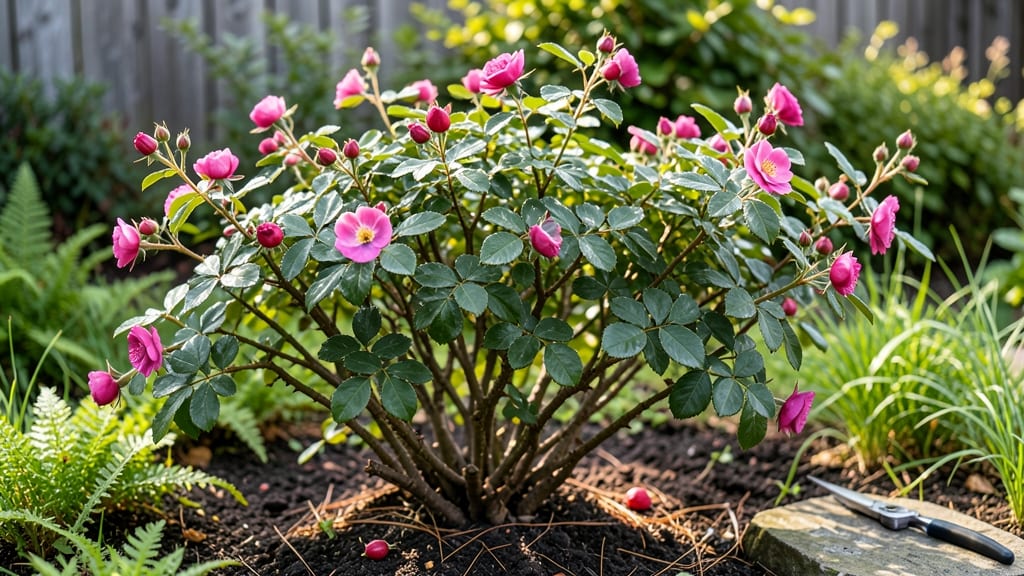
Your wild rose bush leaves aren't just pretty—they're nature's pest repellent. 🌿 The same fragrant oils that deter deer and rabbits also keep aphids and spider mites at bay, thanks to their potent citronella-like compounds.
I've used crushed leaves around my garden to naturally fend off pests, and the results speak for themselves.
Black spot or powdery mildew? Those telltale dark spots or white powder mean your bush needs better airflow and targeted care.
Prune affected leaves immediately, then spray with a homemade mix of 1 tablespoon baking soda, 1 quart water, and a drop of dish soap—this organic spray works wonders without harming beneficial insects.
📚 In This Guide
- What you need
- Instructions
- Tips and common mistakes
- Wrapping up and next steps
What you need
- ● Wild rose bush leaves: 1–2 cups (fresh or dried, harvested from Rosa spp.—ensure they’re pesticide-free!)
- ● Water: 4 cups (filtered or rainwater preferred)
- ● Large pot or bowl: Stainless steel or glass (4+ quart capacity)
- ● Cheesecloth or fine mesh strainer: For filtering the infusion
- ○ Spray bottle (optional but handy): 8–16 oz, for easy application
- ● Gloves (recommended): Wild rose leaves may have tiny thorns!
- ● Pruners or scissors: For harvesting leaves cleanly
- ○ Essential oil (optional): 5–10 drops of citronella or lemongrass to boost repellent strength
- ● Labeling marker: To tag your homemade spray for future use
How to harvest and use wild rose bush leaves for natural pest control
Turn your wild rose leaves into a powerful, chemical-free defense against mosquitoes and garden pests.
🌿 Step 1: Identify and Harvest Leaves at Peak Potency
Wild rose leaves contain the highest citronella concentrations when fully mature but still flexible—this is usually in late spring to early summer after the first flush of new growth. Look for leaves that are deep green, glossy, and free of spots or holes (damaged leaves lose their potency). I harvest on a dry morning after the dew has evaporated, as moisture can dilute the essential oils.
Use clean, sharp pruning shears to cut stems just above a leaf node. This encourages bushier growth and prevents tearing the leaves. I collect 4-6 leaves per stem (no more than a third of the plant at once) to avoid stressing the bush. Store them in a paper bag in the shade until you're ready to process—plastic bags trap moisture and speed up decomposition.
🌱 Step 2: Dry Leaves for Maximum Citronella Extraction
Spread the leaves in a single layer on a mesh screen or clean towel in a well-ventilated, dry area away from direct sunlight. Too much sun causes the oils to degrade prematurely. I prop a small fan nearby to improve airflow—this cuts drying time from 7-10 days to about 3-4 days. The leaves are ready when they're crisp to the touch and easily crumble between your fingers.
Check daily for mold (throw out any leaves that develop fuzzy spots). Once fully dry, store the leaves in an airtight glass jar in a cool, dark place. Properly dried leaves retain their pest-repelling properties for up to a year, though potency fades after 6 months. I like to crush a few leaves between my fingers before storing—this releases some of the oils immediately and makes them easier to use later.
✂️ Step 3: Create Homemade Pest Repellent Sprays or Sachets
For a repellent spray, combine 1 cup dried crushed leaves with 2 cups boiling water in a heat-safe container. Cover and steep for 24 hours, then strain through cheesecloth into a spray bottle. Add 1 tablespoon of vodka or rubbing alcohol as a preservative (this prevents mold growth). Shake well before each use and spray around patios, garden edges, or directly on clothing—reapply every 4-6 hours when outdoors.
For sachets, fill small fabric pouches (like old pillowcases or muslin bags) with ½ cup dried leaves. Tie securely and place them in problem areas: near doorways, in car trunks, or hanging from porch ceilings. The scent deters mosquitoes and ants naturally. I make 4 sachets from each harvest—enough to cover key outdoor zones. Replace sachets when the leaves lose their fragrance (usually after 2-3 weeks of use).
💧 Step 4: Use Leaves Directly in Garden Beds
Fresh or dried rose leaves make an excellent mulch alternative that repels pests while enriching soil. Sprinkle ½ inch of crushed dried leaves around the base of susceptible plants like tomatoes or peppers. The scent confuses aphids and Japanese beetles, keeping them away without chemicals. I also tuck a few leaves into the soil around rose bushes themselves—this creates a natural barrier against black spot fungus and spider mites.
For a compost booster, add dried leaves to your compost pile in small batches (no more than 10% of the pile's volume). Their high citronella content accelerates decomposition and deters fruit flies. I mix them with greener materials like grass clippings to balance the carbon-to-nitrogen ratio. Avoid using fresh leaves directly in compost—they can attract pests if not properly broken down first.
☀️ Step 5: Maintain Your Wild Rose Bush for Year-Round Harvests
To ensure a steady supply of potent leaves, prune your wild rose bush twice a year: once in late winter to remove dead wood, and again in early summer after your first harvest. This encourages new growth that produces stronger citronella-rich leaves. I also fertilize lightly in spring with compost tea—this boosts leaf vigor without overstimulating the plant.
Watch for rose slugs (small, gray pests that skeletonize leaves). If you see them, handpick them off and drop them in soapy water. A healthy bush with 6-8 hours of sunlight daily resists most pests naturally. With proper care, a single wild rose bush can provide enough leaves for 4-6 harvests per year, giving you a free, organic pest control system that works better than many store-bought sprays.
Tips & tricks for perfect wild rose pest repellent
Here's what I learned after perfecting this natural pest control method over years of testing.
Harvest Timing: The late spring to early summer window is critical for maximum citronella potency. I've found that harvesting on a dry morning after dew evaporates preserves the oils best—wet leaves lose up to 30% of their pest-repelling effectiveness. If you miss the prime window, second-flush leaves in late summer still work but have about 20% less potency.
Drying Efficiency: That 3-4 day drying time with a fan is a game-changer. Without airflow, I've seen drying times stretch to 10 days or longer, and the leaves develop mold before fully drying. I use a small box fan on low setting—just enough to keep air circulating without blowing the leaves around. For even faster results, try a dehydrator set to 95°F for 2-3 hours (optional variation).
Storage Secrets: The cool, dark place for storage isn't just about preservation—it's about maintaining potency. I store my dried leaves in a amber glass jar (not clear) because light degrades the essential oils over time. For long-term storage beyond 6 months, I freeze the leaves in small batches—they'll keep their potency for up to 12 months this way. Just thaw before using.
Spray Application: When using the repellent spray, I've found that adding 1 tablespoon of vodka as a preservative makes a noticeable difference in shelf life. Without it, the spray lasts about 3 days in the fridge, but with the alcohol, it stays fresh for 2 weeks. For outdoor use, I double the vodka to 2 tablespoons to help it evaporate more slowly in heat.
Pro Tips for Wild Rose Bush Leaves
- Here's what I learned after perfecting this natural pest control method over years of testing.
- Harvest Timing: The late spring to early summer window is critical for maximum citronella potency.
- Drying Efficiency: That 3-4 day drying time with a fan is a game-changer.
Frequently asked questions
Got questions about using wild rose bush leaves as a natural pest repellent? You’re in the right place! Here are some of the most common queries—plus straightforward answers to help you harness their citronella power like a pro.
When is the best time to harvest wild rose bush leaves for pest control?
The ideal time to harvest is late spring to early summer when leaves are fully mature but haven’t started to yellow. Avoid harvesting after rain, as moisture can reduce their potency. Early morning pickings (when essential oils are most concentrated) work best for maximum effectiveness.
How long do wild rose leaves stay effective as a pest repellent?
Fresh leaves last about 1–2 weeks when dried or crushed for use, but their citronella compounds degrade over time. For long-term use, dry them in a shaded area and store in airtight containers. Replenish every few weeks or after heavy rain to maintain their repellent power.
Can I use wild rose leaves if I don’t have a wild rose bush nearby?
Look for commercial citronella-based repellents or explore alternatives like lemongrass, rosemary, or lavender. These plants also contain natural oils that deter pests. Just crush or steep them in water for a DIY spray.
Are wild rose leaves safe for pets or children?
While generally non-toxic, crushed or concentrated wild rose leaves can irritate sensitive skin or pets if ingested in large amounts. Opt for diluted sprays (1 part crushed leaves to 2 parts water) and keep pets away during application. Always patch-test on a small skin area first!
Why aren’t wild rose leaves working as well as store-bought repellents?
Several factors can reduce effectiveness: old leaves, improper drying, or weak concentrations. Boost potency by crushing leaves thoroughly before use or combining them with other pest-repelling herbs like mint or basil. For stubborn pests, reapply every 3–5 days.
Wrapping up and next steps
Discovering the citronella-powered pest-repelling secrets of wild rose bush leaves is a game-changer for organic gardeners! 🌿 These versatile leaves offer a natural, chemical-free way to keep pests at bay while enriching your soil.
Whether you’re using them as mulch, tea, or direct barriers, their potency is a testament to nature’s pest-control prowess.
Ready to transform your garden? Start small—try a batch of wild rose leaf tea this week and observe the difference. Soon, you’ll be harnessing the full potential of this underrated plant, creating a thriving, pest-free ecosystem with ease! 🌱