
Companion Plants
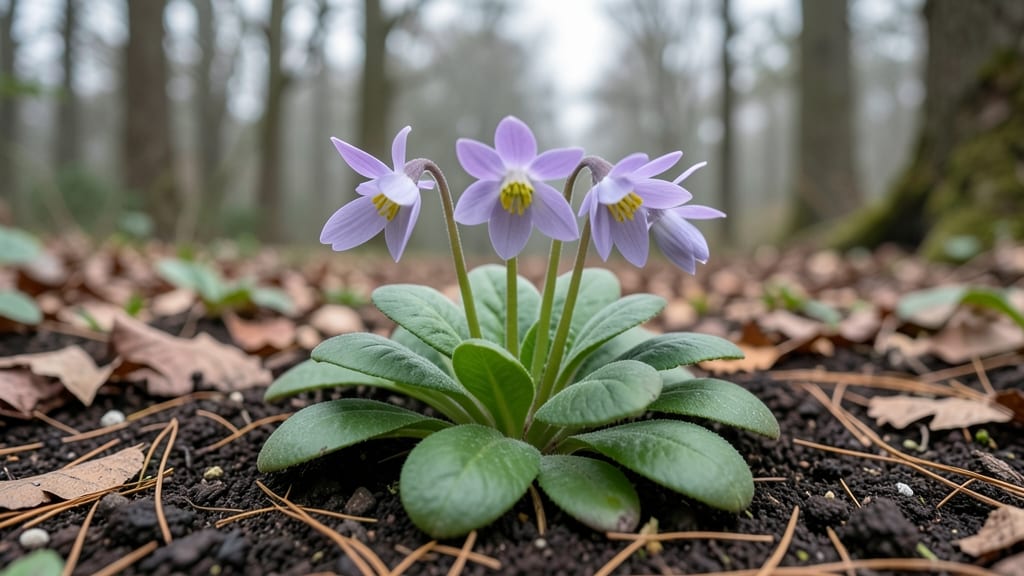
These winter primrose plants defy the cold with their bold winter blooms—fragrant climbers that thrive when most gardens sleep. 🌿 I’ve grown them for years, and the secret isn’t complicated: these hardy perennials love full sun, well-draining soil, and a little... winter protection to trigger their stunning displays.
The first time I saw them push through frost-kissed soil, I knew they’d become a staple in my garden. They’re surprisingly low-maintenance once established, but getting them started right makes all the difference.
Plant in late summer or early fall so roots anchor before winter, and choose a spot with at least 6 hours of sun daily. The soil should be rich but not soggy—amend with compost if yours is heavy clay, and mulch lightly to insulate roots without smothering them.
By late winter, you’ll be rewarded with clusters of vibrant blooms that attract bees and hummingbirds. The fragrance alone—sweet and citrusy—makes them worth growing, but their ability to bloom in sub-freezing temps (down to 10°F) sets them apart from most perennials.
Even in harsh winters, they bounce back with vigor. If you’re in a colder zone, try Primula denticulata or Primula bulleyana—both handle frost beautifully. For milder climates, Primula vulgaris (common primrose) thrives with minimal fuss.
Either way, these plants prove winter gardening can be just as rewarding as summer’s bounty.
📚 In This Guide
- What you need
- Instructions
- Tips and common mistakes
- Wrapping up and next steps
What you need
- ● Winter primrose tubers or seeds: 10–20 tubers (for immediate blooms) or 50–100 seeds (for long-term growth)
- ● Choose Primula vulgaris or Primula obconica varieties for best results.
- ● Well-draining potting mix: 5–10 gallons (sterilized to prevent disease). Mix equal parts: Peat moss or coconut coir
- ● Perlite or vermiculite
- ● Compost (for nutrients)
- ○ Containers (optional but recommended): 6–8" pots with drainage holes (1–2 per tuber)
- ● OR a raised bed or in-ground spot with full sun (6+ hours daily).
- ● Slow-release fertilizer: 1–2 tbsp per pot (balanced 10-10-10 or organic options like fish emulsion).
- ● Basic gardening tools: Trowel or small shovel
- ● Pruners (for trimming spent blooms)
- ● Spray bottle (for misting seeds)
- ○ Optional (but helpful) extras: Grow lights (if indoors, 12–14 hours/day)
- ● Mulch (to retain moisture in colder climates)
- ● pH test kit (ideal range: 6.0–7.0)
- ● Prerequisites: Patience! Tubers take 2–3 months to sprout; seeds, 4–6 weeks.
- ● Consistent moisture (but avoid waterlogging).
Step-by-step instructions for cultivating fragrant winter primrose climbers
Here's my battle-tested method for coaxing these delicate climbers into robust, fragrant performers.
🌱 Step 1: Select and Prepare the Planting Site
Winter primrose thrives in full sun with at least 6 hours of direct light daily. Choose a location sheltered from harsh winds—these vines are tender and appreciate protection. I always test the soil first by squeezing a handful; if it forms a tight ball, amend with compost and sand to improve drainage. These plants despise soggy roots, so raised beds or mounded soil work beautifully.
Mark the planting area with stakes spaced 3-4 feet apart—this gives each vine room to sprawl without crowding. The key here is patience: winter primrose establishes slowly but rewards you with years of fragrant blooms if given proper space from the start. I like to plant mine near trellises or along fences where they can climb naturally.
☀️ Step 2: Plant at the Right Time and Depth
Timing matters most—plant in early spring after the last frost when soil temperatures reach 55°F. Dig holes twice as wide as the root ball but only as deep. You'll see those first shoots emerge within 3-4 weeks if conditions are right. I always water the hole thoroughly before planting to settle the soil and encourage root expansion.
Place the plant so the top of the root ball sits just below soil level. Press gently around the edges to eliminate air pockets, then create a 1-inch deep watering basin around the base. This ensures moisture reaches the roots without pooling. Here's the thing—don't bury the crown too deeply. Winter primrose roots need oxygen, and too much soil smothers them.
💧 Step 3: Establish a Watering Routine
Water deeply once weekly during the first growing season, aiming for 1-2 inches of moisture per week. You'll know you've got it right when the top 2 inches of soil feel damp but not saturated. Let the soil dry slightly between waterings—this prevents root rot while keeping the plant hydrated. I use a soaker hose for precision, directing water at the base rather than overhead.
After the first year, winter primrose becomes more drought-tolerant, but don't let the soil dry out completely. You'll see the plant's resilience when it throws out new growth even after a dry spell. Mulch with 2-3 inches of organic matter (like shredded bark) to retain moisture and regulate soil temperature. This is where many gardeners go wrong—skipping mulch leads to temperature swings that stress the plant.
✂️ Step 4: Prune for Health and Fragrance
Prune in late winter or early spring before new growth begins. Cut back any dead or damaged stems to just above a healthy bud. I always sterilize my pruners with rubbing alcohol to prevent disease spread. The goal is to encourage a bushy, vigorous growth habit. You'll see new shoots emerge within 2-3 weeks after pruning if you've timed it right.
Remove spent blooms regularly throughout the season to redirect the plant's energy into more flowers. This is the secret to that signature winter primrose fragrance—continuous blooming. I also trim any leggy growth that overreaches the trellis, as this weakens the plant. The rule here is simple: prune for shape, not just for looks. A well-pruned winter primrose will reward you with 3-4 feet of fragrant climber by mid-summer.
🪴 Step 5: Fertilize for Continuous Blooms
Apply a balanced, slow-release fertilizer (10-10-10) in early spring and again in mid-summer. Follow the package instructions for application rates—over-fertilizing leads to lush foliage but fewer flowers. I like to mix a handful of compost into the soil around the base at the same time. This gives the plant a steady supply of nutrients without risking burn.
Watch for signs of deficiency: yellowing leaves often mean nitrogen is lacking, while weak stems suggest phosphorus needs attention. Winter primrose is forgiving, but it does respond beautifully to consistent, moderate feeding. The key is timing—fertilize when the plant is actively growing, not during dormancy. You'll see the difference in 2-3 weeks with stronger stems and more abundant blooms.
Tips & tricks for perfect winter primrose climbers
These subtle techniques will help you transform delicate winter primrose into a fragrant, thriving climber that becomes the star of your garden.
Site Selection Secrets: While the instructions emphasize full sun, I've found that morning sun with afternoon shade works beautifully in hotter climates. Winter primrose can handle this transition—just watch for leaf scorch on the western exposure. The 6 hours of direct light should be the morning portion, as afternoon sun can stress these tender vines. I've seen dramatic differences when planting near south-facing walls versus open areas.
Planting Depth Hack: The instructions mention placing the root ball just below soil level, but here's what nobody tells you—press the soil firmly around the base after planting. This eliminates air pockets that can suffocate new roots. I take it a step further by creating a slight mound around the base to encourage water to pool there during the first critical weeks. This mimics natural conditions where water collects around plant bases.
Watering Wisdom: That 1-2 inches of weekly moisture guideline is perfect, but timing matters just as much. Water in the morning so foliage has time to dry before evening—this prevents fungal issues. I've noticed winter primrose handles drought better than overwatering, so it's better to slightly under-water than to keep soil soggy. The 2-inch soil dampness check is your best friend here; use a screwdriver to test depth if you're unsure.
Pruning Precision: When pruning in late winter, I always make my cuts at a 45-degree angle just above a healthy bud. This encourages faster regrowth and gives the plant a cleaner look. For continuous blooming, I deadhead flowers every 7-10 days during peak bloom season—this redirects energy from seed production back into more flowers. The 2-3 week regrowth window gives you a clear timeline for when to expect new growth after pruning.
Pro Tips for Winter Primrose Plants
- These subtle techniques will help you transform delicate winter primrose into a fragrant, thriving climber that becomes the star of your garden.
- Site Selection Secrets: While the instructions emphasize full sun, I've found that morning sun with afternoon shade works beautifully in hotter climates.
- Planting Depth Hack: The instructions mention placing the root ball just below soil level, but here's what nobody tells you—press the soil firmly around the base after planting.
Frequently asked questions
Got questions about growing winter primrose plants? You’re not alone! Here are answers to the most common queries to help you nurture these fragrant climbers with confidence.
When is the best time to plant winter primroses?
For optimal growth, plant winter primroses in early spring (after the last frost) or early fall (4-6 weeks before the first frost). This timing lets roots establish before extreme temperatures. If planting in containers, spring is ideal to avoid winter freeze damage.
Can winter primroses survive harsh winters?
Yes! These hardy plants thrive in USDA Zones 4-9. Mulch heavily (3-4 inches) around the base in late fall to insulate roots. In colder zones, choose Primula denticulata varieties, which are more cold-tolerant. Avoid planting in low-lying areas where frost pockets trap cold air.
Why aren’t my winter primroses blooming?
Blooming issues often stem from light deprivation or overcrowding. Ensure they get 6+ hours of full sun daily—partial shade may reduce flowers. Divide clumps every 3-4 years to improve airflow and vigor. Fertilize lightly in early spring with a balanced 10-10-10 formula to encourage blooms.
What companion plants pair well with winter primroses?
Winter primroses love sun-loving companions like lavender, salvia, or catmint (all drought-tolerant). Pair them with heuchera or hostas for shade-loving contrast in mixed borders. Avoid planting near competitive perennials like daylilies, which may outcompete them for nutrients.
How do I fix yellowing leaves on my winter primrose?
Yellowing leaves usually signal overwatering or nutrient deficiency. Let soil dry slightly between waterings—these plants prefer well-draining soil. Test soil pH (ideal: 6.0-7.0) and amend with compost if needed. Fungal issues? Space plants further apart and avoid wetting foliage during watering.
Can I grow winter primroses in containers?
Use 12-inch+ pots with drainage holes and a mix of potting soil + perlite. Choose compact varieties like ‘Winter Beauty’. Repot every 2-3 years and fertilize monthly during spring/summer. Place containers in south-facing spots for maximum sun exposure.
Wrapping up and next steps
Winter primrose plants (Primula vulgaris) are a fragrant, hardy gem that can transform your garden into a blooming haven—even in cooler months! With the right full-sun placement, well-draining soil, and consistent care, these cheerful climbers reward you with vibrant blooms and a sweet, delicate scent.
Whether you’re a seasoned gardener or just starting, their low-maintenance nature makes them a perfect addition to borders, rockeries, or woodland gardens.
Ready to bring winter charm to your outdoor space? Start small—plant a few this season and watch them thrive! For extra inspiration, explore companion plants like heucheras or ferns to create a lush, year-round display. Happy gardening! 🌸🌿