
Aphids
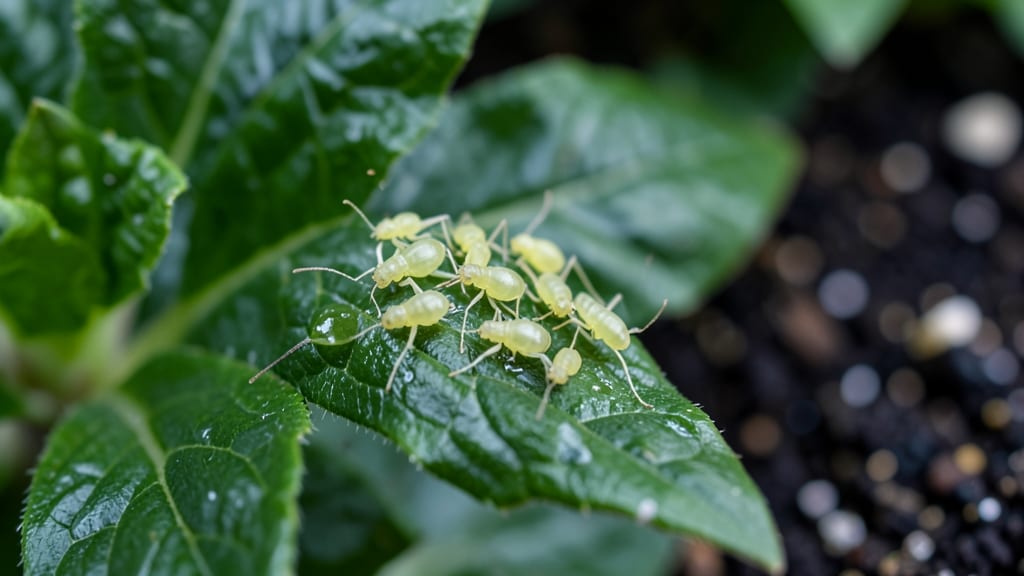
Neem oil spray saved my Lenten roses from aphids last spring—instant relief without harming the delicate blooms. 🌱 These tiny pests cluster on new growth, leaving behind sticky residue that stunts flowers and weakens stems. The key is acting fast with gentle solutions that won’t scorch tender leaves.
Most gardeners panic when they spot curled leaves or ants trailing up stems (they farm aphids!). But neem oil’s natural compounds disrupt aphid life cycles while being safe for perennials.
I mix 1 teaspoon per quart of water with a drop of dish soap as a spreader—spray undersides where they hide. Within 24 hours, you’ll see fewer pests, and new growth emerges cleaner. The real secret? Weekly preventive sprays in early spring before aphids arrive.
Prune infested stems immediately to stop the spread. Works for all Helleborus varieties, even in shade gardens. Let’s tackle this before your blooms get sticky!"
Root Causes Of Lenten Rose Infestations
Aphids aren’t just random pests—they’re drawn to your Lenten rose for specific reasons tied to its health, environment, and even its natural biology. Understanding these triggers helps you tackle the problem at its source, not just with sprays like neem oil. Here’s why these tiny sap-suckers invade your plants:
Aphids thrive where plants are weak. Lenten roses (Helleborus spp.) are no exception—they become prime targets when:
- Root-bound stress: If your plant is pot-bound (roots circling the container), it struggles to absorb water and nutrients, making it easier for aphids to latch on. Why? Stressed plants produce more sugary sap, a buffet for aphids.
- Poor drainage: Soggy soil (from overwatering or compacted soil) weakens roots, reducing the plant’s ability to fend off pests. Aphids detect these chemical distress signals.
- Nutrient deficiencies: Lack of phosphorus or potassium weakens cell walls, making them easier for aphids to pierce. Actionable fix: Test soil pH (ideal: 6.0–7.5) and amend with compost or slow-release fertilizer.
Aphids love tender, new growth because it’s packed with easily accessible sugars and nutrients. On Lenten roses, this means:
- Spring flush: When your plant pushes out fresh leaves or flowers, aphids swarm to feed. Science note: New shoots have thinner cell walls and higher sugar content—like a fast-food drive-thru for pests.
- Soft stems: Young stems are less lignified (woody), making them ideal for aphid stylets (their mouthparts) to penetrate without resistance.
Pro tip: 💡 Prune back heavily infested new growth immediately—aphids won’t linger on woody, mature stems.
Aphids are opportunists, and certain weather patterns create the perfect storm for infestations:
| Condition | Why It Attracts Aphids | Actionable Solution |
|---|---|---|
| 🌞 Warm, dry spells | Drought stress forces plants to produce more sugars to survive, making sap sweeter (aphids’ favorite). | Mulch with organic matter to retain moisture and reduce stress. |
| 🌧️ Humid, mild winters | Aphids survive winter in egg form; warm temps trigger hatching earlier. Lenten roses stay lush year-round, offering constant food. | Inspect plants in early spring for egg clusters on stems. |
| 🍃 Overhead watering | Moisture on leaves creates a sticky honeydew trail, signaling aphids to “follow the scent” to your plant. | Water at the base and avoid wetting foliage. |
Where you grow your Lenten rose matters. Aphids are drawn to:
- Shady, sheltered spots: Aphids avoid direct sun (they dry out) but love dappled shade under trees or near fences. Why? Less wind and more humidity keep them hydrated and hidden.
- Polycultures (mixed plantings): If your garden has aphid-loving neighbors like roses, peonies, or fruit trees, they’ll spread to your Helleborus via winged adults or ants (who farm aphids for honeydew).
- Urban gardens: Aphids hitchhike on wind, insects, or even your tools. Actionable fix: Isolate new plants for 2 weeks before introducing them to your garden.
Key takeaway: Aphids on your Lenten rose aren’t random—they’re responding to your plant’s stress signals, weather, and garden layout. The first step to control? Remove the invitation.
Quick Fixes for Rose Pests
Aphids on your lenten rose (or Helleborus) can feel like a tiny, sticky nightmare—but don’t let them ruin your garden! The good news? With the right approach, you can reverse the damage fast and keep your plants thriving.
Below, we’ll tackle the most common causes of aphid infestations and match them with practical, garden-proof solutions—no fancy tools required. Plus, we’ll share prevention tips to keep those sap-sucking pests away for good.
Aphids love weak, crowded roses—they’re like the fast-food joints of the garden world. If your lenten rose is struggling with poor air circulation or nutrient deficiency, aphids will move in like renters with no lease.
🔥 Fix It: Give Your Rose Room to Breathe
- 🌿 Prune Wisely - Trim back dense foliage to improve airflow.
Focus on removing yellowed or damaged leaves—aphids hide in these spots like cockroaches in a kitchen. - Pro Tip: 💡 Use sterilized pruners (wipe with rubbing alcohol) to avoid spreading pests to healthy plants.
- 💧 Hydrate & Feed
- Water deeply at the base (not the leaves) to reduce stress. Aphids target thirsty plants.
- Add a balanced fertilizer (like 10-10-10) in early spring to boost resilience. Avoid over-fertilizing—aphids adore soft, nutrient-rich new growth!
- 🌱 Replant if Necessary
- If your lenten rose is severely infested and struggling, consider transplanting it to a sunnier, less crowded spot. Aphids hate full sun and strong roots.
Aphids produce sticky honeydew, which attracts ants—and ants protect aphids like bodyguards. This vicious cycle turns your rose into an all-you-can-eat buffet.
👨🍳 Kick the Ants (and Aphids) Out
- 🐜 Disrupt the Ant-Aphid Relationship - Diatomaceous earth (DE): Sprinkle food-grade DE around the base of the plant.
It’s non-toxic but deadly to ants—they’ll avoid it like a buffet line with a "closed" sign. - 🍯 Borax or Soap Spray: Mix 1 tsp borax + 1 tbsp dish soap in 1 gallon of water. Spray ant trails (they’ll carry the solution back to their colony).
- 🚫 Block Ant Highways
- Ants follow scent trails. Wipe them down with vinegar or create physical barriers (like a ring of cinnamon or coffee grounds) around the plant stem.
- 🌿 Encourage Natural Predators
- Ladybugs, lacewings, and parasitic wasps love aphids. Buy them online or attract them with native plants like dill, fennel, or yarrow.
If your lenten rose looks like it’s covered in a black, sooty mold (from honeydew) or aphids are multiplying daily, it’s time for neem oil—the O.G. aphid eraser.
⏰ Step-by-Step Neem Oil Spray (Works in 24 Hours!)
- 🛒 Gather Supplies
- 1 tbsp neem oil (cold-pressed, organic)
- 1 tsp mild liquid soap (helps it stick)
- 1 quart water
- Spray bottle (or a pump sprayer for big plants)
- 🍳 Mix It Up
- Combine oil, soap, and water in a bottle. Shake well—neem oil separates!
- Pro Tip: 🌡️ Warm the water slightly (not boiling) to help the oil blend better.
- 🌿 Spray Like a Pro
- Cover the plant completely (top and bottom of leaves).
- Spray early morning or late evening (avoid direct sunlight—it can burn leaves).
- Reapply every 5–7 days until aphids vanish.
- 🧹 Clean Up the Mess
- Wipe off sooty mold with a damp cloth (it’s unsightly but harmless).
- Remove heavily infested leaves and dispose of them in a sealed bag (don’t compost!).
Once you’ve won the battle, don’t let aphids throw a victory party on your lenten rose. Here’s how to lock the door behind them:
- 🌞 Plant Smart: Lenten roses thrive in partial shade—aphids hate dappled sunlight.
If possible, give them morning sun + afternoon shade. - 🌱 Companion Planting: Surround your rose with garlic, chives, or marigolds—aphids avoid these like a horror movie. - 🕵️♂️ Weekly Scouting: Check leaves underneath (aphids love the shade!).
A magnifying glass helps spot tiny eggs. - 🍃 Homemade Spray Barrier: Mix 1 cup water + 1 tbsp rubbing alcohol + 1 tsp dish soap.
Spray preventatively every 2 weeks—aphids won’t land on slippery leaves! - 🐝 Support Beneficial Insects: Install a bee house or butterfly garden nearby. More predators = fewer aphids.
Final Thought: Aphids on lenten roses might feel like a never-ending battle, but with neem oil, smart pruning, and a little prevention, you’ll have your roses aphid-free in no time. 🚀 Now go forth and save your Helleborus—your garden will thank you!
Frequently asked questions
Why do aphids specifically target my Lenten rose?
Lenten roses (Helleborus) are aphid magnets because they produce tender, sugary new growth that pests love. The plant’s shade tolerance also creates ideal hiding spots for aphids, while their slow growth makes them vulnerable to repeated attacks. Stress from poor drainage or overcrowding makes them even more appealing.
How do I know if aphids are harming my Lenten rose?
Watch for curled or sticky leaves (aphid honeydew), ants trailing up stems (they farm aphids), or distorted new growth. Severe infestations cause yellowing leaves and weakened stems. Check leaf undersides with a magnifying glass—aphids cluster there to avoid predators and sunlight.
Can I use neem oil if my Lenten rose is flowering?
Yes, but apply neem oil early morning or late evening to prevent leaf burn from sunlight. The oil won’t harm blooms, but avoid spraying directly on open flowers. For extra safety, mix 1 teaspoon neem oil per quart of water with a drop of mild soap as a spreader.
What’s the fastest way to stop ants from protecting aphids?
Create a barrier with diatomaceous earth around the plant base or wipe ant trails with vinegar. For stubborn colonies, mix 1 teaspoon borax + 1 tablespoon dish soap in 1 gallon of water and spray directly on ant paths—they’ll carry the solution back to their nest.
Will aphids kill my Lenten rose?
Not directly, but severe infestations weaken the plant over time, reducing blooms and making it susceptible to disease. Act fast by removing heavily infested leaves, applying neem oil, and improving airflow. Healthy Lenten roses can recover fully with proper care and pest control.