
Propagation
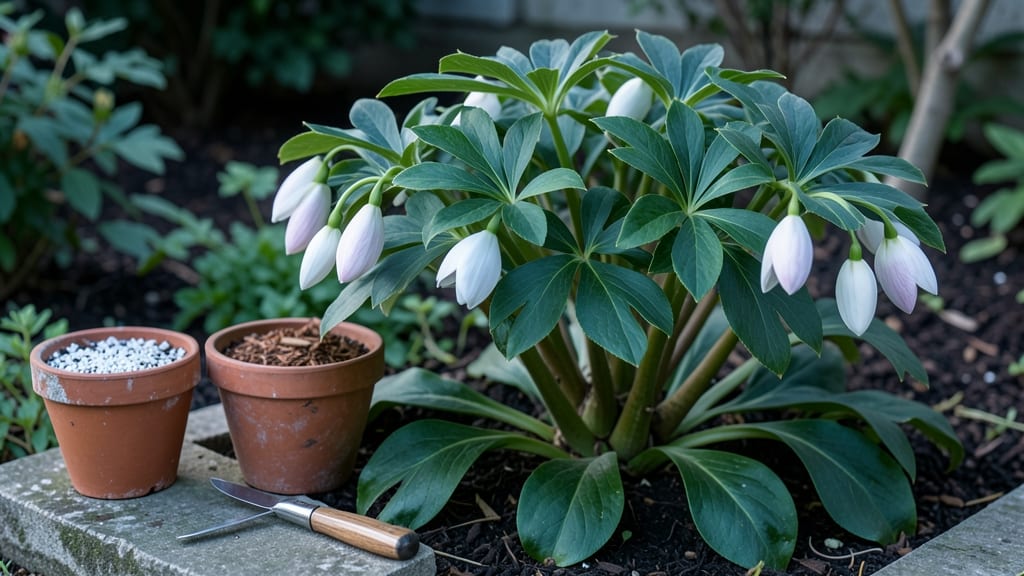
Propagating lenten roses in water is the fastest way to multiply these tough, evergreen perennials—no soil mess, just roots in 3-4 weeks. 🌱 I’ve doubled my hellebore collection this way, and the secret is patience and the right timing.
These cuttings root surprisingly easily, even from older stems, but you’ll need to catch them at the perfect moment for maximum success.
The magic happens in early spring or right after blooming, when new growth is firm but still flexible. Grab sharp pruners, a clean jar, and filtered water—no fancy equipment needed. Most people overthink the water type, but plain tap water (left out overnight) works fine.
The real trick is keeping the jar in bright, indirect light while avoiding direct sun, which can turn the water into a green algae soup.
By week four, you’ll see fine white roots snaking down the stem—proof you’re on the right track. These baby plants are ready to graduate to soil within a week of rooting, and with proper care, they’ll bloom in just two seasons.
The best part? You can propagate from your existing plants, creating free, identical clones of your favorites.
Works for all hellebore varieties, from classic dark green foliage to the stunning new hybrids with chartreuse or purple leaves. Just remember: the sooner you plant them out, the faster they’ll establish. Let’s get those cuttings growing!
📚 In This Guide
- What you need
- Instructions
- Tips and common mistakes
- Wrapping up and next steps
What you need
- ● Mature Lenten rose plant: Choose a healthy, established plant with at least 3–4 leaves per stem.
- ● Clean, sharp pruning shears or scissors: Sterilize with rubbing alcohol to prevent disease.
- ● Stem cuttings (4–6 inches long): Select non-flowering stems with 2–3 sets of leaves.
- ● Room-temperature water: Use filtered or distilled water (chlorine-free) in a clean glass jar.
- ○ Rooting hormone (optional but helpful): A gel or powder to boost root growth (e.g., Rootone).
- ● Small pebbles or marbles: Place in the jar to keep stems submerged without touching the bottom.
- ● Clear glass jar: Lets you monitor root progress (fun for kids!).
- ○ Heating mat (optional): Speeds up rooting in cooler climates (70–75°F ideal).
- ● Humidity dome or plastic bag: Creates a cozy environment for cuttings.
- ● Label markers: Track cutting dates and varieties.
Step-by-Step instructions for propagating lenten roses
Here’s my foolproof method for growing new lenten roses from stem cuttings—fast root growth in just weeks.
🌱 Step 1: Select Healthy Stems for Cuttings
Choose 4- to 6-inch-long stems from new growth—they should be pencil-thick and free of flowers or buds. The best stems are semi-hardwood, meaning they’re slightly woody but still flexible. Avoid stems with yellow leaves or signs of disease. I like to take cuttings in late spring or early summer when the plant is actively growing.
Use clean, sharp pruners to make a 45-degree angle cut just below a leaf node (that little bump where leaves attach). This angled cut gives you more surface area for roots to form. If you’re unsure where the node is, look for the small bump or the spot where a leaf was recently removed.
💧 Step 2: Prepare the Cuttings for Water Propagation
Remove the lower leaves—about 2 inches from the bottom of the stem—so only 2-3 leaves remain at the top. This reduces moisture loss and prevents rot. If there are any large leaves, you can trim them in half to further minimize stress on the cutting. Dip the cut end in room-temperature water for about 10 seconds to help it absorb moisture.
Fill a clean glass or jar with room-temperature water—not tap water, which can contain chlorine or chemicals that may harm the cutting. Add 1-2 drops of rooting hormone (optional but helpful) to the water to speed up root development. Place the cutting in the jar so the lower 2 inches are submerged, but avoid submerging the leaves.
☀️ Step 3: Provide Ideal Conditions for Root Growth
Place the jar in a bright, indirect light spot—think east-facing window or under grow lights. Direct sunlight can overheat the water and stress the cutting. Keep the water clean and fresh by changing it every 3-5 days. You’ll see tiny white root hairs appear in about 2-3 weeks, followed by visible roots in 4-6 weeks.
To speed things up, I keep the jar in a humid environment—like a plastic bag with small holes or a clear plastic dome—to mimic the moist conditions lenten roses love. Just check the cutting daily to make sure it’s not getting too hot or damp inside the enclosure.
🪴 Step 4: Transplant When Roots Are Strong Enough
Once roots reach about 2 inches long, it’s time to transplant. Gently remove the cutting from the water and rinse off any rooting hormone residue with clean water. Fill a small pot with well-draining potting mix (I use a mix of 50% peat moss and 50% perlite) and make a hole deep enough to accommodate the roots.
Plant the cutting at the same depth it was in water, firming the soil gently around the stem. Water lightly to settle the soil, but don’t drown it. Place the pot in bright, indirect light for the first week to help it adjust. After 2-3 weeks, you can gradually introduce it to more sunlight as it establishes itself.
⏰ Step 5: Care for New Plants Until Established
Keep the soil evenly moist but not soggy—lenten roses hate wet feet. Water when the top inch of soil feels dry to the touch. After 4-6 weeks, you’ll see new growth at the top, which means the cutting has successfully rooted. Once it’s fully hardened off (about 8-10 weeks), you can transplant it to the garden or a larger pot.
Here’s the thing—patience is key. If you rush the process, the cutting may struggle. But if you follow these steps, you’ll have healthy, thriving lenten roses ready to bloom in no time. Just remember: consistency in water and light is what makes the difference!
Tips & tricks for propagating lenten roses
Fast root growth isn't just luck—it's about timing, technique, and the little details that make all the difference.
Timing is Everything: The key to fast root growth is taking cuttings during the plant's active growing season—late spring to early summer. This is when lenten roses are producing new growth with the energy and vitality needed for successful propagation. If you miss this window, don't worry: you can still try in early fall, though roots may take slightly longer to develop.
Cutting Technique Matters: When making your 45-degree cut in Step 1, aim to expose just a little of the inner stem tissue—this is where new roots will emerge. The cut should be clean and sharp, not jagged, to prevent damage. I've found that using a razor blade for the final cut gives me the cleanest results, especially for thicker stems.
Water Quality Makes a Difference: While the instructions mention using room-temperature water, I've noticed that filtered or distilled water works even better for root development. Tap water often contains chlorine or fluoride that can inhibit root growth, so if you're using tap water, let it sit uncovered in a container for 24 hours before using it to allow chlorine to evaporate.
Light and Humidity Combo: The bright, indirect light in Step 3 is crucial, but adding humidity creates the perfect environment. I've had great success using a simple plastic bag with small holes as a humidity dome—it creates a mini greenhouse effect that speeds up root development. Just remember to check daily for condensation buildup that could lead to mold.
Pro Tips for Propagate Lenten Roses
- Fast root growth isn't just luck—it's about timing, technique, and the little details that make all the difference.
- Timing is Everything: The key to fast root growth is taking cuttings during the plant's active growing season—late spring to early summer.
- Cutting Technique Matters: When making your 45-degree cut in Step 1, aim to expose just a little of the inner stem tissue—this is where new roots will emerge.
Frequently asked questions
Got questions about propagating Helleborus (aka lenten roses)? You’re not alone! Here are answers to the most common concerns—so you can grow these stunning perennials with confidence.
When is the best time to take lenten rose cuttings?
The ideal window is late summer to early fall (August–September), when the plant has finished flowering but before winter dormancy. Avoid extreme heat or frost—aim for 60–75°F (15–24°C) for best rooting success. If you miss this, spring (March–April) is a secondary option, though rooting may take longer.
How long does it take for lenten rose cuttings to root in water?
Patience is key! Most cuttings show early root signs (tiny white nubs) in 4–6 weeks, with full roots forming in 8–12 weeks. Keep the water fresh weekly and avoid direct sunlight—low, indirect light speeds up the process. If no roots appear after 3 months, try adjusting your water (use filtered or rainwater) or check for rot.
Can I propagate lenten roses from seed instead of cuttings?
Yes, but it’s far slower and less reliable than cuttings. Seeds may take 1–2 years to mature into flowering plants, and hybrids often don’t “true” from seed. Cuttings preserve the parent plant’s traits perfectly—save seeds for experimenting with rare varieties or if you’re really patient!
Why are my lenten rose cuttings turning yellow or mushy?
Yellowing or mushy stems = overwatering or rot. Lenten roses hate soggy conditions! Ensure your cutting has 1–2 healthy nodes submerged (no leaves in water) and change the water every 5–7 days. If rot sets in, trim the affected area above healthy tissue and replant in fresh water. Preventative tip: Use a fungicide like hydrogen peroxide (1 tsp per cup of water) to deter bacteria.
Should I transplant rooted cuttings directly into the garden or pot first?
For hardiness, pot them up in well-draining soil mix (50% potting soil, 50% perlite) and let them grow for 2–3 months before outdoor planting. This builds root strength. If you must plant outside, choose a shady, sheltered spot (they’re woodland natives!) and water deeply once a week until established. Avoid transplant shock by keeping them consistently moist but never waterlogged.
Wrapping up and next steps
Propagating lenten roses through stem cuttings in water is a rewarding and simple way to expand your garden with these stunning, fragrant blooms! 🌱 By following the right steps—like selecting healthy stems, using clean water, and providing the ideal environment—you’ll encourage fast root growth and set your new plants up for success.
With patience and care, you’ll soon enjoy vibrant lenten roses thriving in pots or your landscape.
Ready to turn your green thumb into a lenten rose expert? Grab your supplies and start propagating today—your future garden (and future blooms!) will thank you. 🌸