
Plants
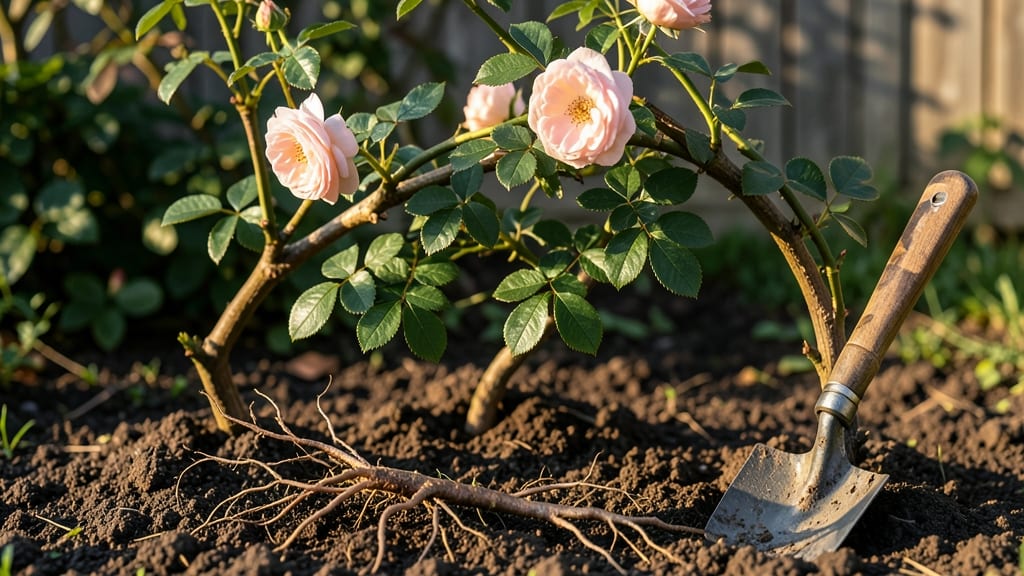
Planting your climbing roses at the right time ensures they thrive and reward you with vibrant blooms for years to come 🌹.
Timing isn’t just important—it’s everything. Plant too early, and cold soil can stunt root growth. Too late, and your roses may struggle to establish before winter.
In Zone 6a, like many gardeners, the ideal windows are just after the last frost in April-May or September-October, when soil temps are cool but not freezing.
Why does this matter? Because roses planted at the wrong time often fail to take hold, leading to weak vines and fewer flowers. The key is balancing soil warmth, frost risk, and seasonal growth cycles—something I’ll break down by zone so you can pick the perfect moment for your garden.
In this guide, you’ll learn how to read your climate, prepare soil for success, and avoid the three biggest mistakes that turn promising plantings into disappointments. Let’s get those climbing roses off to the best start possible!


Climbing rose planting calendar by USDA hardiness zones
Timing your climbing rose planting is critical—whether you're in Zone 3 or Zone 10, the right window ensures strong root growth and vibrant blooms. Cold soil or late planting can stunt your rose's development, while ideal conditions give it a head start.
Let's break down the perfect planting months for each zone, including soil temperature targets and seasonal tips to maximize success.
Most gardeners focus on spring planting (after last frost), but fall planting can also work—especially in warmer zones. The key is planting when soil temps are above 40°F but not yet scorching.
In colder zones, aim for 6-8 weeks before first frost to allow roots to establish before winter dormancy. Let’s dive into zone-specific details to help you choose the best time.
🌹 Pro Tip: Always check your local last frost date and first frost date—these are your planting bookends. Use a soil thermometer to confirm temps before planting bare-root roses.
In Zones 3-4, where winters are harsh, spring planting is safest—wait until after the last frost date and soil warms to 45°F. Fall planting is risky unless you’re in Zone 4b or warmer, as roots need time to harden off before winter.
Always mulch 3–4 inches deep to insulate roots during cold snaps.
Gardeners in Zones 5-6 have more flexibility, with both spring and fall planting options. For fall planting, aim for 6–8 weeks before first frost—this gives roots time to establish before dormancy.
In Zone 6b, you can even plant as late as early October if soil temps stay above 50°F. Just avoid planting when daytime temps exceed 85°F, as this stresses young roots.
Warmer climates like Zones 7-8 allow for year-round planting, but spring and fall still win for best results. Plant in February–March to beat summer heat, or in September–October to avoid drought stress.
If you’re in Zone 8b or warmer, winter planting (November–January) can work—just keep soil moist and protect from frost.
For Zones 9-10, where winters are mild, fall planting (November–December) is ideal—it mimics natural rainfall patterns and reduces transplant shock. If you plant in winter, choose a cool, overcast day to minimize stress. Avoid summer planting unless you’re using drip irrigation to keep roots hydrated during heatwaves.
⚠️ Common Mistake: Planting climbing roses when soil is too cold (<40°F) or too hot (>85°F) stunts root growth. Always check soil temps with a thermometer—50–65°F is the sweet spot for most zones.
No matter your zone, bare-root roses should be planted as soon as possible after purchase—delaying by even a week can reduce survival rates. Soak roots in water for 1–2 hours before planting to rehydrate them, then plant at the same depth they were growing in the nursery.
Water deeply after planting to settle soil and remove air pockets around roots.
Finally, remember that climbing roses need full sun (6+ hours daily) and well-draining soil. Amend heavy clay with
Fall vs. spring planting: which offers better success?
Deciding between fall and spring planting for your climbing roses can feel like choosing between two great options—but each season brings unique advantages and challenges. I’ve planted roses in both seasons and found that the best time depends on your USDA hardiness zone and local climate.
Let’s break down the pros and cons to help you decide.
Fall planting often gives roses a head start on root growth before winter dormancy. Cooler temperatures reduce stress, and the plant can establish roots without competing with summer heat. In USDA Zones 5-9, fall planting is ideal if you plant 6-8 weeks before the first frost.
Meanwhile, spring planting offers warmer soil and longer growing seasons, but you risk transplant shock if you plant too late.
Fall Planting
- Cooler soil reduces transplant shock
- Roots establish before winter dormancy
- Less competition for water
- Risk of frost damage if planted too late
- Limited time for root growth in colder zones
- Harder to assess plant health in dormant state
Spring Planting
- Warmer soil speeds up root establishment
- Longer growing season for blooms
- Easier to monitor plant progress
- Transplant shock from summer heat
- Competition for water in dry climates
- Late planting may delay first-year blooms
For USDA Zones 3-5, I recommend spring planting after the last frost date. The soil warms up faster, giving your roses the energy they need to establish roots quickly.
In Zones 6-10, fall planting is often better because the mild winters allow roots to grow without the stress of summer heat. My climbing roses in Zone 6a thrive when planted in early October, giving them time to root before winter.
Avoid planting in late spring or early fall—these are high-risk periods. Late spring planting can lead to heat stress, while early fall planting may expose roots to early frosts.
Always check your local frost dates and aim for 6-8 weeks before the first frost in fall or 2-4 weeks after the last frost in spring.
One common mistake I see is planting bare-root roses too early in spring when the ground is still cold. The roots won’t absorb water or nutrients effectively until the soil reaches 50°F (10°C).
To test, stick your finger in the soil—if it’s too cold to keep your hand there for 10 seconds, wait a few more weeks. Mulching heavily after planting helps regulate soil temperature and retain moisture.
Whether you choose fall or spring, the key is to give your climbing roses the best possible start. With the right timing, your roses will reward you with vibrant blooms and lush growth for years to come. 🌹