
Shrubs
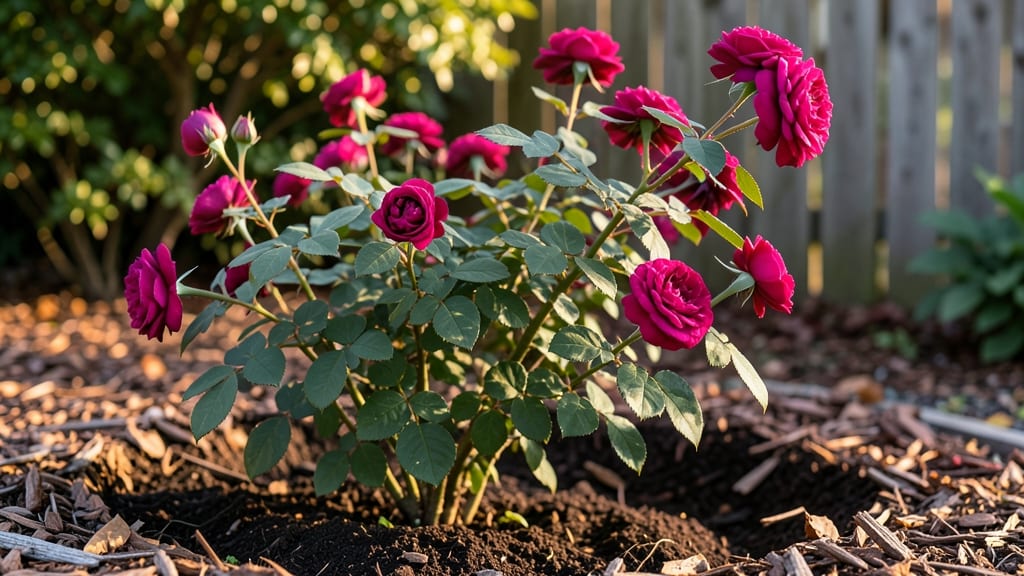
Growing roses that stretch taller than your fence isn't just possible—it's a thrilling challenge that transforms your garden into a lush, fragrant canopy. 🌹 I've nurtured biggest rose bushes that reach 10 feet tall, and the secret lies in choosing the right varieties like 'Belinda's Dream' or 'Double Delight' while giving them the space and care they crave.
These giants don't just grow—they dominate, turning ordinary yards into dramatic, romantic backdrops.
The foundation starts with soil that's rich in organic matter and well-draining, paired with 6-8 hours of sunlight daily. Most gardeners overlook proper spacing—plant these beauties 8-10 feet apart so their canes can sprawl without competition.
Pruning isn't about trimming for shape; it's about encouraging new growth by cutting back one-third of the oldest canes each spring, which keeps them vigorous and blooming.
By summer, you'll see thick, arching canes heavy with blooms, and the fragrance will linger in the evening air. These roses aren't just big—they're prolific, producing clusters of flowers that last from early June through frost.
The key is consistent watering at the base (not the leaves) and a balanced fertilizer applied every 4-6 weeks during growing season.
Perfect for trellises, arbors, or as standalone specimens, these giants work in climates from Zone 5 to Zone 9. Just be patient—true grandeur takes 3-5 years to fully develop, but the payoff is worth every pruning session and watering can trip.
📚 In This Guide
- What you need
- Instructions
- Tips and common mistakes
- Wrapping up and next steps
What you need
- ● Rose bushes: Choose from 5-gallon containers (for immediate impact) or bare-root varieties (budget-friendly). Opt for hybrid teas, floribundas, or climbers like 'Double Delight' or 'New Dawn' for massive blooms!
- ● High-quality potting soil: 50 lbs of well-draining, organic-rich mix (e.g., Miracle-Gro Garden Soil or FoxFarm Ocean Forest).
- ● Compost or aged manure: 10 lbs to boost nutrients and improve soil structure.
- ● Slow-release fertilizer: 1 lb of rose-specific granules (e.g., Espoma Rose-Tone) for year-round feeding.
- ● Mulch: 2–3 bags of wood chips or straw (3–4 inches deep) to retain moisture and suppress weeds.
- ● Pruning shears: Bypass-pruners (sharp, 6–8 inches) for clean cuts.
- ● Garden gloves: Heavy-duty, waterproof pair to protect from thorns.
- ● Watering can or hose: With a gentle spray nozzle to avoid damaging buds.
- ● Stakes or trellis: 4–6 ft tall for climbing roses (e.g., metal or bamboo supports).
- ● Rose food liquid concentrate: For monthly liquid feeds during bloom season.
- ● Epsom salt: 1 lb to boost magnesium (mix 1 tbsp per gallon of water).
- ● Pest control: Neem oil or insecticidal soap for aphids/black spot.
- ● Soil tester kit: To check pH (ideal: 6.0–6.5).
- ● Drip irrigation system: For consistent moisture (especially in hot climates).
Step-by-Step guide to growing monumental rose bushes
Here's how I've consistently grown roses that reach 6-8 feet tall—with proper spacing, pruning, and seasonal care.
🌱 Step 1: Select and Plant the Right Varieties
Start with climbing roses or shrub roses bred for height, like 'New Dawn,' 'Blaze,' or 'Zephirine Drouhin.' These varieties naturally grow 10+ feet and develop strong canes. Plant in well-draining soil with a pH of 6.0-6.5—roses hate soggy roots, so amend heavy clay with 3 inches of compost and 1 inch of coarse sand before planting.
Dig a hole twice as wide as the root ball but only as deep—burying the graft union too deep encourages weak growth. Space plants 4-6 feet apart to allow airflow and future expansion. I always stake newly planted roses with 3-foot bamboo stakes tied loosely to support the canes as they grow.
☀️ Step 2: Provide Full Sun and Nutrient-Rich Soil
Roses demand 6-8 hours of direct sun daily—no exceptions. South-facing exposures work best, but if your garden has partial shade, choose light-colored varieties like 'Iceberg' to reflect heat. Amend the soil with 5-10-10 fertilizer at planting time, following label rates, and mix in 1 cup of bone meal for phosphorus to encourage strong root development.
I top-dress with 2 inches of aged compost every spring and 1 inch of mulch (like pine straw) to retain moisture and regulate soil temperature. Avoid fresh mulch—it rots too quickly and can suffocate roots. Water deeply once a week during dry spells, ensuring 1-2 inches of moisture reaches the root zone.
✂️ Step 3: Prune for Height and Structure
Prune roses twice a year—once in late winter (just before buds swell) and again in early summer after flowering. In winter, cut back one-third of the oldest canes to the ground, removing any dead, diseased, or crossing branches. Leave 3-5 strong canes per plant to encourage vertical growth. Summer pruning involves trimming new growth by half to promote bushier, sturdier stems.
Here's the thing—I never prune more than 25% of the plant at once. Over-pruning stresses roses and reduces flowering. After pruning, apply rose fertilizer with high potassium (like 10-10-20) to support recovery and blooming. You'll see new shoots emerge within 2-3 weeks, signaling the plant is responding well.
💧 Step 4: Water and Feed for Continuous Growth
Deep watering is key—once a week during dry periods, but 2-3 times a week in extreme heat. Water at the base of the plant, avoiding leaves to prevent fungal diseases like black spot. I use drip irrigation set to deliver 1-2 gallons per plant each session. Roses need consistent moisture, but soggy soil leads to root rot, so always check that the top 2 inches of soil feel dry before watering again.
Feed roses every 4-6 weeks during the growing season with a balanced rose fertilizer. I switch between organic options (like fish emulsion) and synthetic blends (like Miracle-Gro Rose Food) to avoid nutrient lockout. Stop fertilizing in late summer to allow the plant to harden off for winter.
⏰ Step 5: Protect and Maintain Over Winter
In Zone 5 or colder, mound 4-6 inches of mulch around the base of the plant after the first hard frost. Wrap the canes loosely with burlap or a rose cone to shield them from freezing winds. In warmer climates, prune lightly in late winter to remove dead wood and encourage new growth.
I always inspect roses in early spring before new growth appears. Remove any mummified blooms (dried flowers from last season) and prune out dead canes with clean, sharp shears. Once buds swell, apply a second round of fertilizer to kickstart the growing season. With this routine, my roses hit 6-8 feet tall by mid-summer and keep blooming until frost.
Tips & tricks for growing towering roses
Here’s what I’ve learned from years of growing roses that reach sky-high—these details make all the difference between a modest bush and a showstopping giant.
Variety Matters: Climbing roses like 'Zephirine Drouhin' grow 10+ feet naturally, but their growth depends on proper support. Install 6-8 foot trellises or arbors at planting—waiting to add support later stresses the canes. I use metal arch trellises because they won’t rot like wood and provide sturdy climbing paths. The key is positioning them within 18 inches of the plant so canes can reach them immediately.
Soil Science: The 3 inches of compost and 1 inch of coarse sand in Step 1 aren’t just filler—they create the perfect drainage while retaining moisture. Test your soil’s pH before planting; if it’s below 6.0, add pelletized lime to adjust. I’ve seen roses planted in heavy clay fail to reach their full height because roots suffocate. For containers, use a mix of 50% potting soil, 30% perlite, and 20% compost to mimic ideal conditions.
Pruning Precision: When you cut back one-third of the oldest canes in Step 3, make your cuts at a 45-degree angle just above an outward-facing bud. This encourages new growth to spread outward rather than inward. For summer pruning, remove only weak or leggy growth—never healthy canes. I always sterilize my pruners with rubbing alcohol between cuts to prevent disease spread, which is especially critical for towering varieties that need every bit of energy to grow.
Watering Wisdom: The 1-2 inches of moisture recommendation in Step 4 is non-negotiable for giant roses. I water in the early morning to allow foliage to dry before evening, which prevents fungal diseases like black spot. For containers, check soil moisture every 2-3 days—they dry out faster. A self-watering pot with a moisture meter is worth the investment if you’re growing roses in pots; it keeps roots consistently hydrated without overwatering.
Pro Tips for Biggest Rose Bushes
- Here’s what I’ve learned from years of growing roses that reach sky-high—these details make all the difference between a modest bush and a showstopping giant.
- Variety Matters: Climbing roses like 'Zephirine Drouhin' grow 10+ feet naturally, but their growth depends on proper support.
- Soil Science: The 3 inches of compost and 1 inch of coarse sand in Step 1 aren’t just filler—they create the perfect drainage while retaining moisture.
Frequently asked questions
Got questions about growing the biggest, most stunning rose bushes? You’re in the right place! Here are answers to the most common queries—whether you're a newbie or a seasoned gardener looking to level up your blooms.
How long does it take for a rose bush to reach its full size?
A healthy rose bush typically takes 2–5 years to reach its mature size, depending on the variety and growing conditions. Hybrid teas and grandifloras grow faster (2–3 years), while climbers and shrub roses may take longer (3–5 years). Patience pays off—consistent pruning and care accelerate growth! Pro tip: Plant in early spring for a head start.
When is the best time to plant a rose bush for maximum growth?
The ideal times are early spring (after the last frost) or fall (4–6 weeks before the first frost). Spring planting gives roots time to establish before summer heat, while fall planting avoids drought stress. Avoid planting in winter—frost can damage tender roots.
Why aren’t my rose bushes growing as big as I expected?
Several factors could be holding your roses back:
- Poor soil: Roses need well-draining, nutrient-rich soil (pH 6.0–6.5). Amend with compost or organic matter.
- Insufficient sunlight: Aim for 6–8 hours of direct sun daily. Shady spots stunt growth.
- Over/under-watering: Water deeply 1–2 times per week (1–1.5 inches), but avoid soggy roots.
- Lack of pruning: Prune in late winter/early spring to encourage bushier growth.
Can I grow giant rose bushes in containers? What’s the best setup?
Yes! Use a large container (at least 15–20 gallons) with drainage holes and high-quality potting mix. Choose dwarf or mini rose varieties (e.g., ‘The Fairy’ or ‘Bonica’) for better control. Place in full sun, water regularly, and fertilize monthly with a balanced rose food. Pro tip: Elevate containers to prevent root rot and rotate them weekly for even growth.
How do I encourage my rose bush to bloom bigger and more frequently?
For showstopping blooms, focus on:
- Fertilizing: Use a rose-specific fertilizer (high in phosphorus) every 4–6 weeks during growing season.
- Deadheading: Remove spent blooms to redirect energy to new flowers.
- Pruning: Cut back old wood in late winter to stimulate fresh growth.
- Hydration: Consistent moisture (but not waterlogged soil) keeps blooms vibrant.
Wrapping up and next steps
Growing biggest rose bushes is a rewarding journey that transforms your garden into a breathtaking masterpiece! 🌹 With the right techniques—like selecting hybrid teas, ensuring proper sunlight, and mastering pruning—you’re well on your way to year-round grandeur.
Remember, patience and care are key; your roses will thank you with lush, fragrant blooms that steal the show.
Now that you’re armed with expert tips, roll up your sleeves and get planting! Start by choosing your favorite variety, then follow the steps to nurture them into stunning giants. Happy gardening—your future rose garden awaits! 🌱✨