
Pruning
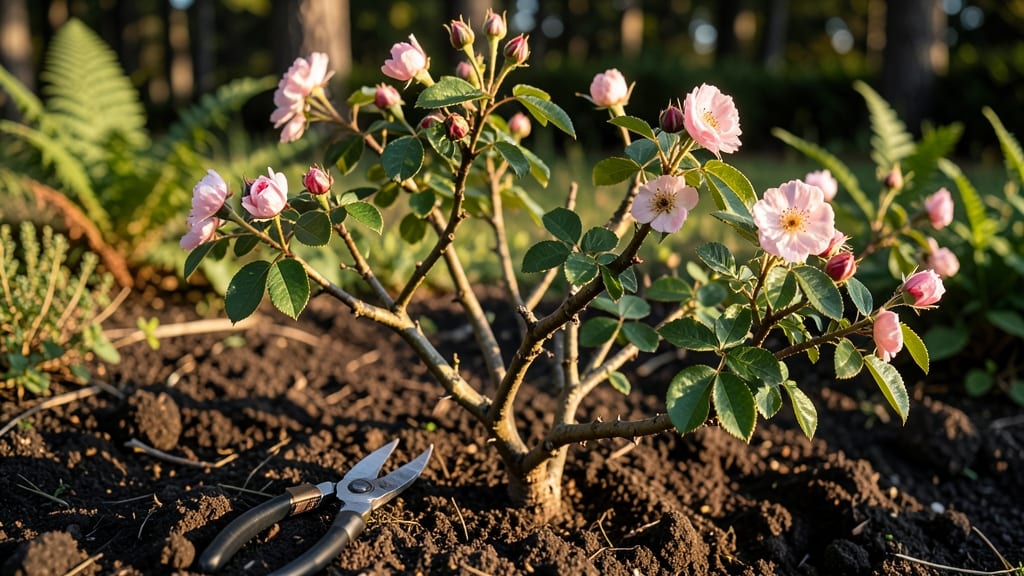
Cutting back drift roses in late winter transforms leggy bushes into lush, flower-covered shrubs by summer. ✂️ I’ve pruned these roses for five years, and the key is timing—too early and you risk frost damage; too late and you miss the spring growth surge.
The right cuts create a stronger plant that blooms harder and longer than anything from the nursery.
You’ll need sharp bypass pruners, a clean pair of gloves, and a bucket for trimmings. Grab a small ladder if your roses are over 6 feet tall—safety first! The goal is to remove about one-third of the oldest stems while opening up the center for airflow.
This isn’t about making them look perfect; it’s about encouraging new growth where the light can reach.
After pruning, you’ll notice fresh green shoots within 2-3 weeks, with the first wave of blooms arriving by early June. The secret? Cut just above an outward-facing bud at a 45-degree angle—this prevents water from pooling and keeps the plant healthy.
Avoid cutting into old wood (gray or dead-looking stems) unless it’s completely dead.
This method works for both new and established drift roses, and the results—nonstop blooms from spring to frost—make the effort worth it. The only rule? Don’t rush it. Patience here means more flowers later, and that’s a trade-off worth making.
📚 In This Guide
- What you need
- Instructions
- Tips and common mistakes
- Wrapping up and next steps
What you need
- ● Pruning shears: Bypass pruners (sharp, clean, and 5- to 8-inch blades for precision cuts). Dull blades crush stems—yikes!
- ● Loppers: 18- to 24-inch for thicker branches (up to 1.5-inch diameter).
- ● Pruning saw: Curved-tooth for branches too thick for loppers (1.5+ inches).
- ● Disinfectant (70% isopropyl alcohol or bleach solution): 1 part bleach to 9 parts water to sterilize tools between cuts.
- ● Garden gloves: Heavy-duty, cut-resistant (e.g., 12-14 inches long with reinforced palms).
- ● Rake or broom: For clearing debris after pruning.
- ● Garden twine or zip ties: To secure large branches if needed.
- ● Hand pruners with a bypass blade for detailed work.
- ● Ladder or step stool: For reaching tall drift roses (6+ feet).
- ● Sharpie or permanent marker: To label branches if you’re doing structured pruning.
- ● Compost bin or bags: For collecting pruned branches (great for mulch!).
- ● Safety glasses: If dealing with thorny varieties like ‘Drift’ series roses.
Step-by-Step guide for cutting back drift roses
Here's the seasonal trimming method I've used for years to keep drift roses blooming nonstop.
✂️ Step 1: Late Winter Pruning (Before Bud Break)
Wait until late winter when the ground is thawed but before buds begin swelling. This is typically February or early March in most climates. Look for the first signs of leaf buds—tiny green swellings along the stems. These indicate the plant is waking up and ready for pruning.
Remove all dead, diseased, or crossing branches first. Cut back to a strong outward-facing bud, making the cut at a 45-degree angle just above the bud. This angle helps water run off the cut and prevents rot. I like to start with the oldest canes—they're easier to identify by their thicker, more woody appearance.
Next, shorten each remaining stem by about one-third. This encourages bushier growth and more blooms. If your rose has multiple stems, aim to leave 3-5 strong canes per plant. The goal is to open up the center of the plant so sunlight and air can reach all parts.
🌿 Step 2: Summer Pruning (After First Bloom)
Once your drift roses finish their first flush of blooms, it's time for the second pruning. This usually happens in June or early July, depending on your climate. Wait until you see the first spent blooms begin to fade—this signals it's time to act.
Cut back each stem just above a set of 5 leaflets. This ensures you're leaving enough foliage to support new growth. I always make my cuts just above an outward-facing bud to encourage the plant to grow outward rather than inward. Remove any weak or spindly growth immediately—these stems rarely produce strong blooms.
This mid-season trim stimulates a second wave of blooms. You'll notice new buds forming within 4-6 weeks after pruning. Keep an eye out for any suckers (shoots growing from the base of the plant) and remove them promptly—they divert energy from your main stems.
✂️ Step 3: Fall Cleanup (After Final Bloom)
Once your drift roses finish their final bloom cycle, usually in late August or September, it's time for final cleanup. Wait until after the first frost has passed but before the ground freezes. This timing prevents new growth that could be damaged by winter cold.
Remove all dead or dying foliage and stems. Cut back remaining stems to about 12-18 inches tall, leaving 3-5 strong buds on each stem. This height provides enough protection for the plant during winter while allowing for new growth in spring. I always leave the stems slightly taller than the surrounding soil level to prevent rot.
Rake up all fallen leaves and debris from around the base of the plant. This prevents fungal diseases from overwintering in the garden. Apply a 2-3 inch layer of mulch around the base, but keep it several inches away from the plant's center to prevent moisture buildup that can cause rot.
☀️ Step 4: Spring Maintenance (Before New Growth)
In early spring, before new growth begins, do a final check of your drift roses. This is typically March or April, depending on your climate. Look for any dead or damaged wood that might have been missed during winter. Remove these immediately to prevent disease spread.
Shape the plant lightly by trimming any overly long or crossing branches. The goal here is to maintain the plant's natural form rather than doing heavy pruning. You'll see new growth beginning within 2-3 weeks after this light trim. This is your signal that the plant is ready for the growing season.
Apply a balanced rose fertilizer at this time to support the new growth. I like to use a slow-release formula that provides nutrients throughout the growing season. Water deeply after fertilizing to help the nutrients reach the roots.
Tips & tricks for perfect drift rose pruning
These are the hard-won lessons that'll help you avoid common mistakes and get the most blooms from your drift roses.
Timing is Everything: The exact timing for each pruning step matters more than you might think. In Step 1, wait until those tiny green leaf buds appear—this is your signal that the plant has broken dormancy. If you prune too early, you risk encouraging new growth that won't survive winter cold. I've learned the hard way that pruning too late can leave your roses looking ragged before the first flush of blooms. For Step 2, the "first spent blooms begin to fade" is the perfect cue—waiting too long means you'll miss the opportunity for that crucial second bloom cycle.
Cutting Technique Matters: That 45-degree angle isn't just aesthetic—it's functional. The sloped cut directs water away from the stem, preventing rot that can kill your plant. When making cuts in Step 1 and Step 2, always aim just above an outward-facing bud. This simple technique encourages the plant to grow outward rather than inward, creating a fuller, more open plant structure. I've seen roses become so dense from improper cutting that they develop fungal issues from poor air circulation in the center.
Seasonal Adjustments: The timing windows I've given work for most climates, but your local weather patterns might require slight adjustments. In colder regions, you might need to delay late winter pruning until late March. In warmer southern climates, you could start as early as February. For Step 3, if you're in a region with early frosts, you might need to prune by mid-August. Always check for the first frost date in your area and work backward from that date when planning your fall cleanup.
Tool Maintenance: Your pruning tools are just as important as your technique. Before you start Step 1, sharpen your pruners or loppers—dull blades can crush stems instead of making clean cuts. I like to use a dedicated pair of pruners for roses to avoid cross-contamination with other plants. After each pruning session, clean your tools with rubbing alcohol to prevent spreading diseases between plants. A well-maintained tool makes all the difference in achieving clean, professional-looking cuts every time.
Pro Tips for Cutting Back Drift Roses
- These are the hard-won lessons that'll help you avoid common mistakes and get the most blooms from your drift roses.
- Timing is Everything: The exact timing for each pruning step matters more than you might think.
- Cutting Technique Matters: That 45-degree angle isn't just aesthetic—it's functional.
Frequently asked questions
When is the best time to cut back drift roses?
Prune drift roses late winter or early spring (just before new growth starts) for early blooms. A light summer trim after flowering keeps them tidy. Avoid heavy cuts in fall—this can stimulate tender growth vulnerable to frost. For a second flush of blooms, prune again after the first wave of flowers fades.
How much should I cut back drift roses?
Reduce canes by one-third to one-half to encourage bushiness. Remove dead, diseased, or crossing branches first. For older drift roses, you can cut back to healthy buds or outward-facing canes. Avoid "topping" (cutting all canes to the same height)—this stresses the plant. Thin out crowded centers for airflow.
What if I prune at the wrong time?
Pruning too early (winter) risks frost damage to fresh cuts, while late spring/early summer cuts may remove next year’s blooms. If you prune in fall, avoid heavy cuts—focus on cleanup only. Over-pruning anytime can weaken the plant. When in doubt, wait until late winter!
Will cutting back drift roses reduce flowering?
No—proper pruning boosts blooms! Cutting back stimulates new growth, leading to more flowers and stronger stems. However, over-pruning (e.g., cutting into old wood) can delay or reduce flowering. Follow the seasonal calendar for best results. Drift roses are forgiving, but consistency is key!
Can I replace drift roses instead of pruning?
Yes! If your drift roses are overgrown, diseased, or unruly, replacing them may be easier. Choose disease-resistant varieties (like ‘Knock Out’ or ‘Drift’ series) for low-maintenance blooms. Dig up old roots to prevent spread, and amend soil before planting new roses. Pruning is simpler, but replacement works for long-term garden refreshes.
Wrapping up and next steps
Cutting back your drift roses doesn’t have to be a daunting task—just a strategic, seasonal ritual to keep your garden bursting with color. By following this seasonal trimming calendar, you’ll encourage healthier growth, more vibrant blooms, and a neat, thriving landscape all year round. 🌸
Ready to transform your garden? Grab your pruners and start with the next season’s first step—whether it’s cleaning up winter damage or shaping for spring’s big bloom! Check your local frost dates and dive in—your roses will thank you. 🌿