
Pests
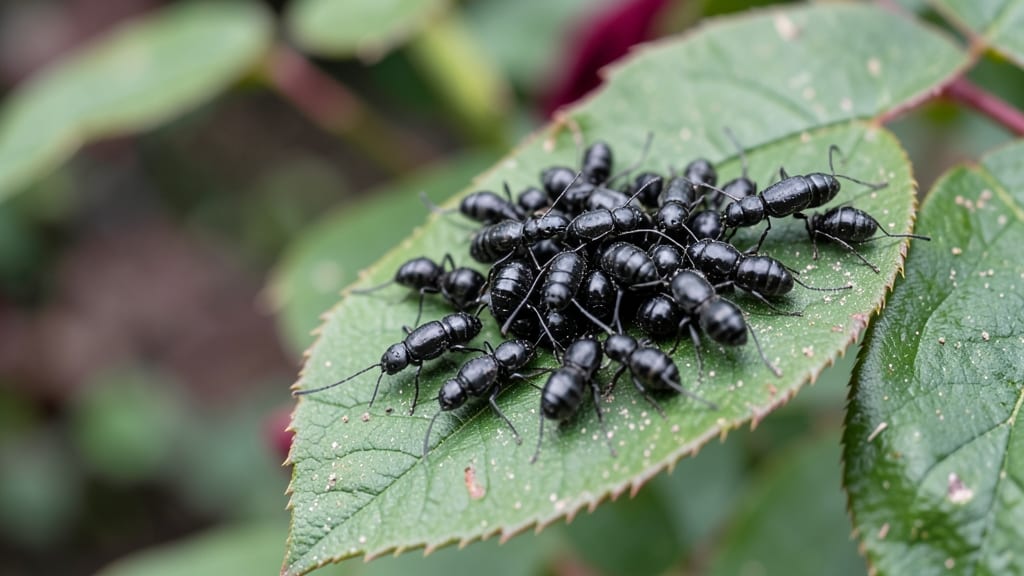
Black aphids on roses are the sticky, sooty mess that turns your prized blooms into a blackened disaster—but I’ve got the organic spray that clears them in hours. ✨ These tiny invaders suck sap, weaken plants, and leave behind that telltale black residue, but the right mix of ingredients (neem oil, insecticidal soap, and a little dish soap) stops them dead in their tracks without harming your garden’s ecosystem.
The secret isn’t brute force—it’s timing and precision. Spray in the early morning or evening when bees aren’t active, and focus on the undersides of leaves where aphids hide. Most store-bought solutions take days to work; this homemade blend tackles the problem within 24 hours if applied correctly.
No more waiting weeks for results—just a quick spray and visible improvement by sunset.
You’ll see the difference immediately: leaves stop wilting, new growth appears within days, and those stubborn black spots fade away. The best part? This solution works for roses, hydrangeas, and even your veggie patch, and it’s safe for pollinators once fully dried.
No harsh chemicals, no guesswork—just a foolproof fix that keeps your garden thriving.
For long-term success, pair this spray with companion planting (marigolds repel aphids) and regular pruning to improve airflow. A little prevention now means fewer battles later—and your roses will thank you with bold, healthy blooms all season. Let’s get rid of those aphids for good!
Root Causes Behind Rose Aphids
Black aphids—often called sooty mold aphids—are a common nuisance on roses, and their appearance isn’t just unsightly; it signals deeper issues in your garden’s ecosystem. Understanding why they strike is the first step to stopping them before they wreck your prized roses.
Below, we break down the key triggers behind these tiny pests, backed by science and actionable insights.
Aphids, including the black variety, are opportunistic feeders that target plants under stress. When roses are crowded, malnourished, or overwatered, their weakened defenses make them prime targets.
- Poor air circulation 🌬️: Dense foliage traps humidity, creating a damp, aphid-friendly microclimate.
- Nutrient deficiencies 🍃: Roses lacking nitrogen or phosphorus produce softer, more sugary leaves—aphids’ favorite snack.
- Overwatering 💦: Soggy roots stress plants, making them release honeydew (a sticky aphid magnet).
Actionable fix: Prune roses for open airflow, test soil for deficiencies, and water deeply but infrequently (1–2 inches per week).
Black aphids aren’t the only culprits—sooty mold (a black fungal growth) often appears after aphids feed. Their excreted honeydew (a sugary waste) coats leaves, attracting:
- More aphids (they thrive in sticky environments).
- Sooty mold spores (blocking sunlight and weakening roses).
Why it spirals:
Honeydew = Aphid buffet → More aphids → More honeydew → Sooty mold takeover.
Actionable fix: Remove honeydew with a soft cloth dipped in soapy water and apply copper fungicide to prevent sooty mold.
Here’s a shocking truth: Ants farm aphids like cattle. They:
- Herald aphids to new plants (aphids secrete honeydew, ants’ food).
- Block predators (like ladybugs) from reaching them.
- Build highways to aphid colonies for easy honeydew harvest.
If you see ants crawling on roses, aphids are likely nearby—or already infesting.
Actionable fix:
- Disrupt ant trails with diatomaceous earth or vinegar barriers.
- Encourage natural predators (ladybugs, lacewings) by planting dill, fennel, or marigolds nearby.
Aphids explode in populations when:
- Temperatures rise (60–80°F is ideal for them).
- Humidity drops (they dry out easily, so they cluster on roses for moisture).
Why roses suffer:
Drought-stressed roses can’t fight back, and aphids multiply unchecked in dry heat.
Actionable fix:
- Mulch roses to retain moisture.
- Water in the morning to reduce evaporation and deter aphids.
Roses have built-in pest resistance, but chemical fertilizers, pesticides, or poor soil strip away their defenses. Aphids exploit:
- Disrupted beneficial microbes (healthy soil = stronger plants).
- Lack of nectar-rich flowers (aphids avoid well-defended roses).
Actionable fix:
- Avoid synthetic chemicals—use compost tea or fish emulsion for gentle nutrition.
- Plant companion flowers (e.g., nasturtiums) to distract aphids.
Aphids remember good feeding spots. If your roses had an infestation last year:
- Eggs may overwinter in buds or soil.
- New aphids hitchhike on wind or nearby plants.
Actionable fix:
- Inspect roses early spring for eggs (look for tiny black specks in buds).
- Quarantine new plants for 2 weeks before adding to your garden.
Aphids don’t act alone—they’re part of a pest ecosystem. Break the chain by:
- Reducing stress in roses (water, nutrients, airflow).
- Removing honeydew/sooty mold before it attracts more pests.
- Encouraging predators (birds, lacewings, parasitic wasps).
Next step: Once you’ve addressed why aphids are there, use this organic spray to eliminate them in hours.
Quick Fixes for Rose Pests
Black aphids on roses aren’t just unsightly—they can weaken your plants and even attract other pests if left unchecked. The good news? You don’t need harsh chemicals to tackle them.
Below, we’ve broken down the most effective cause-specific solutions, from immediate fixes to long-term prevention, so you can restore your roses to their full glory.
Before diving into treatments, confirm you’re dealing with black aphids (not spider mites, scale, or other pests). Black aphids are tiny, slow-moving insects clustered on new growth, buds, or undersides of leaves. If you spot them, act fast—these pests reproduce quickly!
For a fast knockdown, try these sprays. Test a small area first to avoid damaging delicate rose petals.
👨🍳 Homemade Soap Spray (Best for Light Infestations)
Why it works: Soap disrupts aphid wax layers, causing dehydration. Ingredients:
- 1 tbsp mild liquid castile soap (or dish soap)
- 1 quart lukewarm water
- 1 tsp horticultural oil (optional, for extra stickiness)
Steps:
- Mix ingredients in a spray bottle.
- Spray thoroughly on all sides of leaves, stems, and buds—especially where aphids cluster.
- Reapply every 3–5 days until aphids disappear (usually 1–2 weeks).
- Pro tip: 💡 Spray early morning or late evening to avoid burning leaves in direct sunlight.
🥘 Neem Oil Spray (Kills Eggs & Adults)
Why it works: Neem oil smothers aphids and disrupts their life cycle. Ingredients:
- 1 tbsp 100% cold-pressed neem oil
- 1 tsp honey or sugar (helps it stick)
- 1 quart water
- 1 tsp soapy water (as an emulsifier)
Steps:
- Mix all ingredients in a spray bottle.
- Shake well before each use (neem oil separates).
- Spray directly on aphids and surrounding foliage.
- Reapply every 7–10 days for 3–4 weeks to break their cycle.
- Pro tip: 🌡️ Apply when temps are above 50°F (10°C)—cold weather reduces effectiveness.
🔪 Beneficial Insects (Nature’s Pest Control)
Why it works: Ladybugs, lacewings, and parasitic wasps eat aphids—no chemicals needed! How to attract them:
- Plant companion flowers like marigolds, dill, or fennel near roses.
- Avoid pesticides that kill beneficial bugs.
- Buy ladybugs online (release them at dusk when they’re sluggish).
- Pro tip: ✨ Add a shallow water dish with pebbles for ladybugs to drink from.
Once you’ve eliminated the aphids, prevent a comeback with these habits:
| Prevention Tip | How to Do It |
|---|---|
| 🌱 Healthy Soil | Amend soil with compost to boost plant vigor—strong roses resist pests better. |
| 💦 Water Wisely | Water at the base (not leaves) to avoid creating damp conditions aphids love. |
| 🪒 Prune Regularly | Remove dead or crowded branches to improve airflow and reduce hiding spots. |
| 🍃 Companion Planting | Grow garlic, chives, or rosemary near roses—their scents repel aphids. |
| 🕰️ Monitor Early | Check roses weekly (especially undersides of leaves) for early signs. |
- ❌ Avoid overusing chemical sprays—they can harm bees and beneficial insects.
- ❌ Don’t ignore ant trails—ants "farm" aphids for honeydew. Use diatomaceous earth around the base to deter them.
- ❌ Skip the follow-up—aphids often return if you stop treatment mid-cycle.
By combining quick sprays, beneficial insects, and smart gardening habits, you’ll not only eliminate black aphids fast but also keep your roses thriving season after season. Happy gardening! 🌹🚀
Frequently asked questions
Are black aphids the same as regular green aphids?
No, they're different species but both cause similar damage. Black aphids (often called sooty mold aphids) produce more honeydew, leading to that sticky black residue you see on leaves. While green aphids are more common, black aphids are harder to spot until they've caused significant damage. Both species feed on plant sap and weaken roses.
How do I know if the black stuff on my roses is aphids or sooty mold?
Look closely: if you see tiny black insects clustered on leaves or stems, those are aphids. The black residue is their honeydew waste, which later attracts sooty mold. To confirm, gently wipe a leaf with a damp cloth - if you find aphids, you've got the pests. If only black film remains, it's likely sooty mold from previous aphid infestations.
Will my roses recover after an aphid infestation?
Yes, but it depends on how severe the damage was. Healthy roses can bounce back within 2-4 weeks after removing aphids, especially if you improve growing conditions. Prune damaged leaves, apply organic treatments, and ensure proper watering/nutrition. Severe cases may need extra care, but roses are generally resilient once the pests are gone.
Can I use vinegar to kill black aphids on roses?
While vinegar can help in small doses (1 tbsp per gallon of water), it's not the most effective solution. The acidity can burn plant leaves, especially delicate roses. For better results, use neem oil or insecticidal soap instead. If you choose vinegar, always test on a small leaf area first and dilute properly to avoid damaging your plants.
How often should I check my roses for aphids?
Inspect your roses at least once a week during growing season, paying special attention to new growth and leaf undersides. Early detection is key - catch aphids before they multiply. In hot, dry weather when aphids thrive, check every 3-4 days. Regular monitoring helps prevent full-blown infestations and keeps your roses healthy.