
Blooming
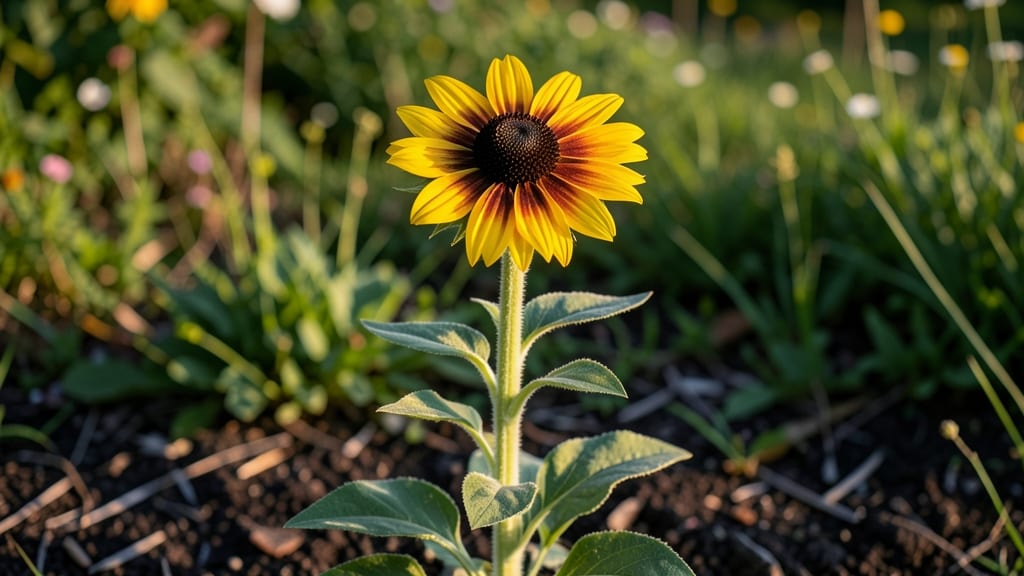
The black-eyed Susan bloom time in late summer to early fall transforms gardens into vibrant golden displays 🌼 that last for weeks—if you know how to extend their season.
If you love the bold, cheerful blooms of Black-Eyed Susans but wish they lasted longer, understanding their bloom time—and how heat zones impact it—could turn your garden into a year-round floral spectacle.
These hardy perennials thrive in USDA Zone 6a and beyond, but their flowering window shifts dramatically depending on where you live. Too much heat? Too little sunlight? The right care can push those golden blooms from a few weeks into months.
In this guide, I’ll break down the ideal bloom periods by region, share 5 proven tips to extend their season, and reveal the best planting times for maximum impact—so you can enjoy their cheerful faces from summer straight into fall.
Black Eyed Susan bloom time by USDA heat zones
Black Eyed Susans (Rudbeckia hirta and Rudbeckia fulgida) are my go-to perennials for adding bold color to gardens, but their bloom timing varies dramatically depending on your USDA heat zone.
In cooler zones like 3-5, these plants often bloom later in the season, while warmer zones 7-11 can enjoy two blooming cycles—spring and fall. Understanding these patterns helps me plan for year-round color and maximize my garden's potential.
For gardeners in USDA zones 3-6, Black Eyed Susans typically bloom from mid-summer to early fall, with Rudbeckia hirta (the classic annual-like variety) providing the most reliable displays.
In warmer zones 7-11, however, these plants often produce a second flush of blooms in spring, thanks to their ability to tolerate hotter temperatures. This dual-blooming habit makes them even more valuable for extending my seasonal interest.
The key to unlocking these extended bloom times lies in selecting the right variety for your climate. Rudbeckia fulgida (like 'Goldsturm') tends to be more heat-tolerant and often reblooms, while Rudbeckia hirta (the wildflower type) may produce just one late-summer show.
My experience shows that deadheading spent blooms can encourage reblooming in both types, but the effect is far more dramatic in warmer zones.
Here's how your USDA zone affects Black Eyed Susan bloom time, including which varieties thrive best in each region:
| USDA Zone | Primary Bloom Time | Reblooming Potential | Best Variety | Heat Tolerance |
|---|---|---|---|---|
| 3-5 | Late July - September | Low (one cycle) | Rudbeckia hirta | Moderate |
| 6-7 | June - October | Moderate (with care) | Rudbeckia fulgida 'Goldsturm' | High |
| 8-9 | April - May & August - October | High (two cycles) | Rudbeckia fulgida 'Little Goldstar' | Very High |
| 10-11 | February - March & July - November | Very High (near-continuous) | Rudbeckia fulgida 'Indian Summer' | Extreme |
In USDA zones 3-5, where summers are short and cool, Black Eyed Susans focus their energy on a single late-summer to early fall display. I've found that Rudbeckia hirta performs best here, producing cheerful yellow blooms that brighten up the garden when many other perennials have finished.
The challenge in these zones is extending the bloom time, which I achieve through regular deadheading and providing well-draining soil.
Moving to zones 6-7, the bloom season naturally extends into early autumn, and some varieties like 'Goldsturm' may even produce a second flush if given the right conditions.
My trick for encouraging reblooming in these zones is to water deeply during dry spells and avoid cutting back the plants until late fall. This gives them time to recover and set new buds for next season.
Gardeners in USDA zones 8-9 get the best of both worlds with spring and fall blooming cycles. The Rudbeckia fulgida varieties excel here, often producing continuous color from early summer through frost.
In my zone 8 garden, I've seen 'Little Goldstar' rebloom so vigorously that it looks like a never-ending yellow fountain. The secret here is consistent moisture and light pruning to encourage bushier growth.
For those in zones 10-11, Black Eyed Susans become almost tropical
5 Proven tips to extend Black Eyed Susan bloom time
Black Eyed Susans (Rudbeckia hirta) are famous for their cheerful yellow blooms that light up late summer gardens. But with the right care, you can extend their bloom time from a few weeks to nearly three months.
The key lies in understanding their natural growth cycle and giving them the perfect growing conditions.
Most gardeners focus only on planting and watering, but deadheading, soil health, and strategic pruning can dramatically increase flowering. Even in USDA Zone 5, where frost cuts blooms short, these techniques help prolong the season by encouraging new buds to form continuously.
- 1 Deadhead Regularly - Snip off spent blooms at the base to prevent seed formation, redirecting energy to new flowers. Do this every 3-5 days during peak bloom.
- 2 Amend Soil with Compost - Add 2-3 inches of compost in spring to improve drainage and nutrient availability. Black Eyed Susans thrive in well-draining, slightly acidic soil (pH 6.0-7.0).
- 3 Water Deeply Weekly - Provide 1 inch of water per week during dry spells. Water at soil level (not leaves) to prevent fungal diseases like powdery mildew.
- 4 Plant Near Marigolds - Companion planting with marigolds or basil deters pests like aphids and spider mites, which can stress plants and shorten bloom time.
- 5 Prune After First Frost - Cut back 1/3 of plant height in early spring or after frost to remove dead foliage and encourage fresh growth for a second bloom cycle.
One of my favorite tricks is mulching with straw after planting. This keeps roots cool in summer and retains moisture, which is critical for continuous blooming. I’ve seen Black Eyed Susans in my Zone 7 garden flower from July through October using these methods.
For reblooming varieties like Rudbeckia fulgida, add a balanced fertilizer (10-10-10) in early summer to boost flower production. Just avoid over-fertilizing in fall, as this can lead to weak stems before winter.
Even in cooler climates (Zones 3-4), these techniques work. Start with well-prepared soil and protect young plants from early frosts with row covers. With patience, your Black Eyed Susans will reward you with months of vibrant color instead of just a few weeks.