
Succulent
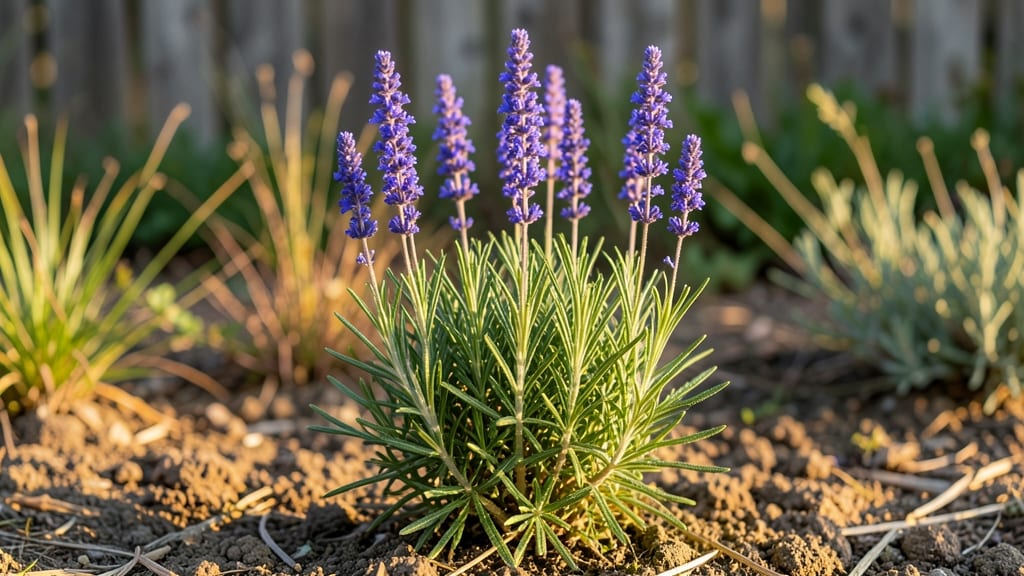
Growing Blue Tuscan rosemary transforms your garden into a fragrant, drought-resistant showstopper. 🌿 This striking variety thrives in sunny spots with minimal fuss—once established, it practically grows itself while filling the air with piney freshness. I’ve watched mine climb trellises and spill over walls, turning ordinary spaces into Mediterranean retreats.
The secret to its vibrant blue foliage? Well-drained soil and sparse watering—this plant despises soggy roots. Plant it in full sun, give it room to sprawl (or guide it with a trellis), and prune lightly after flowering to encourage bushier growth.
Even in winter, it stays evergreen, making it a year-round star. You’ll love how versatile it is: snip fresh sprigs for herbaceous dishes, use it as a living border, or let it cascade dramatically in containers.
The blue-gray leaves contrast beautifully with silver foliage plants and bright flowers, creating a cool-toned garden palette that’s hard to beat. For best results, propagate from softwood cuttings in spring—they root easily in water or soil.
Avoid overwatering, and you’ll have a thriving, fragrant climber that’s nearly indestructible once settled in.
📚 In This Guide
- What you need
- Instructions
- Tips and common mistakes
- Wrapping up and next steps
What you need
- ● Blue Tuscan Rosemary Plant: 1 nursery-grown cutting or young plant (ensure it’s labeled Rosmarinus officinalis ‘Blue Spires’ or similar).
- ● Well-Draining Soil: 5–10 gallons of a mix like: 60% cactus/succulent soil
- ● 30% perlite or coarse sand (for aeration)
- ○ 10% compost or worm castings (optional, for nutrients)
- ● Container (if potted): 1–2 gallon pot with drainage holes (terracotta or fabric pots ideal).
- ● Sunlight Access: Full sun (6+ hours daily) or bright indirect light (for indoors).
- ● Watering Can or Hose: With a narrow spout to avoid overwatering.
- ● Pruning Shears: Sharp, sterilized shears (for shaping and propagation).
- ● Slow-Release Fertilizer: 1–2 tbsp of balanced organic fertilizer (10-10-10) in spring.
- ● Mulch: 1–2 inches of gravel or pebbles to retain moisture and deter weeds.
- ● Support Stake or Trellis: For upright growth (especially in windy areas).
- ● pH Test Kit: To check soil pH (ideal: 6.0–7.0).
- ● Spray Bottle: For misting in low-humidity indoor environments.
Step-by-step instructions for cultivating blue Tuscan rosemary
This hardy, fragrant variety thrives with minimal fuss once you nail these key steps.
🌱 Step 1: Select the Perfect Location and Soil
Blue Tuscan rosemary demands full sun exposure (6+ hours daily)—no compromises. A south-facing wall or raised bed gets it the intensity it needs. The soil should be well-draining, slightly alkaline (pH 6.0-7.0), and amended with coarse sand or gravel if your native soil compacts easily. I always test mine with a simple pH kit before planting.
This variety tolerates poor soil better than most, but it despises soggy roots. If your garden holds moisture, create a mound or use containers with drainage holes. The secret to its striking blue foliage lies in these conditions—skimp on sun or drainage, and you’ll get weak, yellowing growth instead of that vibrant hue.
🪴 Step 2: Plant at the Right Depth and Spacing
For container-grown plants, maintain the same root ball depth as the nursery pot. In-ground plantings should sit with the top of the root ball 1-2 inches below soil level—this prevents stem rot while keeping the plant stable. Space plants 3-4 feet apart; they’ll spread slowly but steadily over time.
I like to dig a hole twice as wide as the root ball to encourage outward root growth. Gently loosen the roots if they’re circling in the pot, then backfill with native soil mixed with a handful of perlite. Water deeply immediately after planting to settle the soil and eliminate air pockets. You’ll know it’s right when the soil surface looks slightly compacted but not muddy.
☀️ Step 3: Establish a Watering Routine Without Overdoing It
Blue Tuscan rosemary is drought-tolerant once established, but young plants need consistent moisture. Water every 7-10 days until the top 2-3 inches of soil feel dry. The key is deep, infrequent watering—never let the soil stay soggy. I use a moisture meter to check; if it reads dry at 2 inches, it’s time to water.
Once established (after 6-8 weeks), reduce watering to every 2-3 weeks unless your area experiences extreme heat. Overwatering is the fastest way to kill this plant—roots rot quickly in poorly drained soil. You’ll see healthy growth when leaves remain a vibrant blue-green and stems feel firm to the touch.
✂️ Step 4: Prune Strategically for Bushier Growth
Prune in early spring or after flowering to encourage dense, bushy growth. Cut back one-third of the oldest stems to the base, and trim any leggy growth to just above a leaf node. This variety responds well to pruning, so don’t be shy—it rewards you with more vibrant foliage and flowers.
I always use clean, sharp pruners to avoid tearing stems. After pruning, give the plant a light fertilizer with low nitrogen and high phosphorus to support new growth. Avoid heavy pruning in fall or winter, as the plant needs its foliage to protect it from cold snaps. You’ll know you’ve pruned correctly when new shoots emerge within 2-3 weeks.
⏰ Step 5: Overwinter with Protection for Year-Round Growth
Blue Tuscan rosemary is hardy to USDA Zone 7, but in colder climates, it needs winter protection. Mulch heavily around the base with 3-4 inches of straw or pine needles to insulate roots. For container plants, move them to a sheltered spot or wrap the pot in burlap to protect from freezing temperatures.
I’ve found that a light frost won’t harm established plants, but repeated freezes below 20°F will damage foliage. If your winters dip lower, cover the plant with a frost cloth or bring container plants indoors to a sunny windowsill. With proper care, you’ll have fragrant, blue foliage ready for harvest year-round.
Tips & tricks for perfect blue Tuscan rosemary cultivation
Here's what nobody tells you about growing this stunning variety—lessons I learned after watching several batches struggle before finally cracking the code.
Soil Test First: That pH 6.0-7.0 range isn't just a suggestion—it's critical. I've seen plants with perfect sun but wrong soil pH turn yellow and flop. Grab a cheap pH test kit ($5 at garden centers) before planting. If your soil tests too acidic, mix in crushed limestone at planting time (about 5 pounds per 100 square feet). The blue color won't develop properly without this balance.
Container Hack for Small Spaces: Blue Tuscan thrives in containers but needs proper drainage. I use terracotta pots with drainage holes and add a 2-inch layer of gravel at the bottom. For extra insurance, create a "soil mound" by filling the pot halfway with your amended soil mix, planting, then adding more soil around the base to keep roots elevated. This prevents waterlogging in heavy clay pots.
Winter Protection Upgrade: The 3-4 inches of mulch is a good start, but for Zone 6 and colder, I go further. After the first hard frost, I wrap the entire plant (including mulch) with burlap and secure it with twine. For container plants, I move them to an unheated garage or covered porch where temps stay above 15°F. The key is protecting the foliage from freeze-thaw cycles that cause more damage than steady cold.
Pruning Timing Secret: The instructions mention pruning in early spring, but I've found the absolute best time is right after flowering when the stems start turning woody. Look for stems that feel firm when you squeeze them—these are ready for the pruning shears. This timing gives you the most vibrant regrowth before winter sets in, and you'll see new shoots emerge within 10-14 days instead of the full 2-3 weeks.
Pro Tips for Blue Tuscan Rosemary
- Here's what nobody tells you about growing this stunning variety—lessons I learned after watching several batches struggle before finally cracking the code.
- Soil Test First: That pH 6.0-7.0 range isn't just a suggestion—it's critical.
- Container Hack for Small Spaces: Blue Tuscan thrives in containers but needs proper drainage.
Frequently asked questions
What’s the best time to plant Blue Tuscan Rosemary?
Plant in early spring (after the last frost) or late summer (before fall’s first chill). This gives roots time to establish before extreme heat or cold. If starting from cuttings, spring is ideal—just avoid planting when temps dip below 50°F (10°C).
How often should I water Blue Tuscan Rosemary?
Water deeply but infrequently—about once a week in summer (more in extreme heat) and every 2–3 weeks in winter. Let the soil dry out 2–3 inches deep between waterings. Overwatering is the #1 killer—this drought-tolerant beauty hates soggy roots!
Can Blue Tuscan Rosemary survive winter?
Yes! It’s hardy to USDA Zone 7, but in colder climates (<30°F/-1°C), protect it with mulch or a frost cloth. Prune back 1/3 of the plant in early spring to encourage bushier growth. If potted, move it to a sheltered spot or indoors near a sunny window.
What if my Blue Tuscan Rosemary turns yellow or leggy?
Yellow leaves often mean overwatering or poor drainage. Leggy growth? It’s craving sunlight—move it to a sunnier spot (6+ hours daily) or prune back to encourage denser foliage. Brown tips? Low humidity or fluoride in tap water—try distilled water or mist occasionally.
Are there alternatives if I can’t grow Blue Tuscan Rosemary?
Try these low-maintenance, fragrant climbers:
- Creeping Thyme – Drought-tolerant ground cover with a rosemary-like scent.
- Lavender – Thrives in poor soil and loves full sun.
- Russian Sage – Hardy perennial with silvery foliage and purple blooms.
- Dwarf Mondo Grass – Evergreen, shade-tolerant, and pest-resistant.
Wrapping up and next steps
Growing blue Tuscan rosemary is a rewarding journey that brings fragrant beauty to your garden year-round! With its striking blue-green foliage and hardy nature, this fragrant climber thrives with minimal fuss—just remember to prioritize well-draining soil, ample sunlight, and occasional pruning.
Whether you’re using it for culinary delights, aromatic landscapes, or simply admiring its resilience, your efforts will pay off in lush, aromatic abundance.
Ready to elevate your gardening game? Start small—plant a single cutting or seed today! Watch as this versatile herb becomes the star of your outdoor (or indoor) space. Happy growing! 🌿✨