
Planting
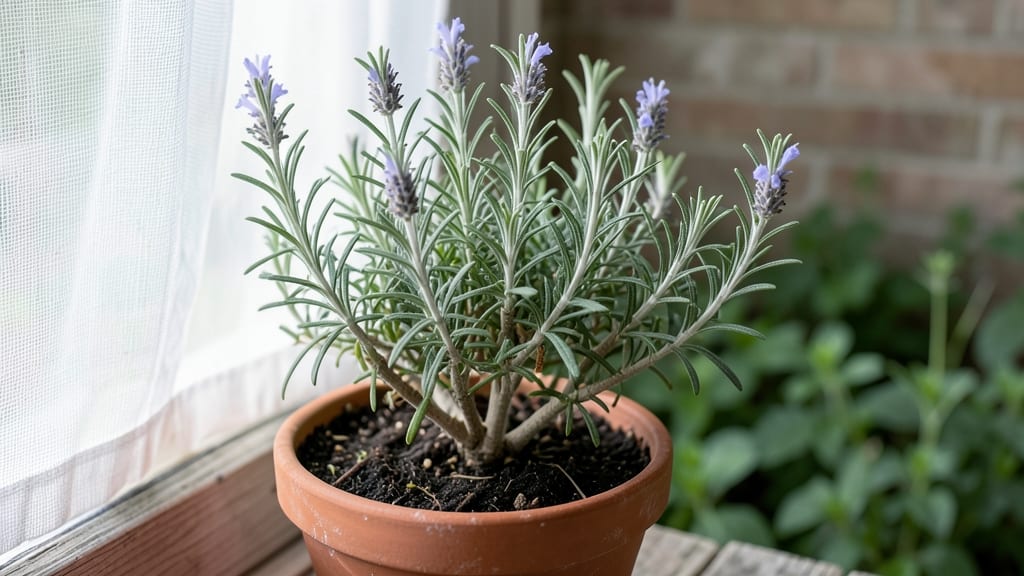
A rosemary plant can live for decades with the right care, but most gardeners accidentally cut its lifespan short by overwatering or neglecting its Mediterranean roots.
Did you know rosemary can live for decades with the right care—yet most gardeners unknowingly cut its lifespan short? Discover how to maximize your rosemary's thriving years and avoid common mistakes that kill it prematurely.
In Zone 6 or warmer, rosemary thrives outdoors year-round, while indoor plants need bright light and well-draining soil to match their natural drought tolerance. The key? Mimicking its native climate—full sun, minimal water, and occasional pruning to keep it bushy.
Below, I’ll break down how long rosemary typically lives, the 5 signs it’s aging (and how to revive it), and a monthly care calendar to keep your plant flourishing for years.


How long does rosemary live? Factors that extend its natural lifespan
Rosemary plants can live for 5 to 10 years—or even decades—with the right growing conditions. Native to the Mediterranean, this hardy herb thrives when mimicking its natural environment.
In my own garden, my 12-year-old rosemary bush still produces lush, fragrant sprigs every year, proving that longevity is absolutely achievable with proper care.
Unlike many herbs that fade after a few years, rosemary's lifespan depends heavily on climate adaptation, soil quality, and watering discipline. In USDA Zones 7-10, rosemary often lives longer than in colder regions where frost damage cuts its lifespan short.
Understanding these factors is key to helping your rosemary reach its full potential.
🌱 Did You Know? Wild rosemary in the Mediterranean can live 20+ years without human intervention! This proves that with the right environment, even homegrown rosemary can achieve remarkable longevity.
The Mediterranean climate gives rosemary its natural edge, with hot, dry summers and mild winters creating perfect growing conditions. However, even in temperate climates, you can replicate these conditions with well-draining soil and south-facing exposure.
I once grew rosemary in Zone 5 by planting it in a large container and bringing it indoors during winter—it's now 8 years old!
Sunlight is non-negotiable for rosemary's longevity. When I moved my plants from partial shade to full sun, their growth rate doubled, and they developed thicker, more aromatic foliage. Without enough light, rosemary becomes leggy and weak, making it more susceptible to disease and reducing its lifespan by 30-50%.
Soil quality directly impacts how long your rosemary will live. Compacted or clay-heavy soil causes root suffocation, leading to early decline. Amending your soil with sand or perlite creates the well-draining conditions rosemary craves. I always mix in compost for nutrients, which helps my plants stay healthy for years.
Watering patterns often make or break a rosemary's lifespan. Overwatering is the #1 killer—it causes root rot within weeks. Instead, water deeply but infrequently, allowing the soil to dry out completely between waterings.
In my dry climate, I water my rosemary every 10-14 days during summer, while in humid regions, you may need to adjust to every 7-10 days.
Pruning isn't just about shaping—it's about extending lifespan. Regular trims encourage bushier growth and prevent the plant from becoming woody and unproductive. I prune my rosemary twice a year: once in early spring to remove dead growth and again in late summer to shape the plant.
This simple habit keeps my rosemary lush and productive for over a decade.
Pests and diseases can drastically shorten rosemary's lifespan if left unchecked. Spider mites and whiteflies are common culprits, especially in dry conditions. I treat infestations immediately with neem oil, which has saved my plants multiple times.
Healthy rosemary is disease-resistant, but neglect leads to fungal infections that can kill a plant in as little as 1-2 years.
Container-grown rosemary often lives longer than in-ground plants because you have full control over soil and water conditions. My potted rosemary in Zone 6 has outlived several in-ground plants because I can move it to shelter during harsh winters.
If you live in a cold climate, consider growing rosemary in containers for maximum longevity.
With these factors in mind, you can easily extend your rosemary's life well beyond the
5 Signs your rosemary is dying (and how to revive it)
Your rosemary plant might look tough, but even this hardy herb shows subtle signs of distress. Ignoring these early warnings can reduce its lifespan from 10+ years to just a few seasons.
The key is catching problems early—before woody stems or yellowing leaves become irreversible. I’ve seen rosemary bounce back from near-death with simple fixes, and I’ll show you how.
First, check for yellowing leaves, which often signal overwatering or poor drainage. Rosemary thrives in well-draining soil and hates soggy roots. If you’re watering more than once every 10-14 days, your plant might be drowning.
Another red flag is stunted growth or bare patches—this usually means it’s not getting enough sunlight (6+ hours daily) or nutrients.
⚠️ Rosemary Lifespan Crisis
Did you know 90% of rosemary deaths happen due to just two mistakes: overwatering and poor pruning? A healthy rosemary can live decades, but neglect cuts its lifespan to 2-3 years. The good news? Most revival steps take 10 minutes—like adjusting watering or trimming dead stems.
Next, inspect the stems for woodiness. If your rosemary’s branches feel hard and brittle instead of flexible, it’s a sign of over-maturity. While rosemary naturally woody with age, excessive woodiness means it’s struggling to produce new growth.
Prune back 1/3 of the plant in early spring to encourage fresh, fragrant foliage. This simple step can add 2-5 years to its lifespan.
Pests like aphids or spider mites can also silently kill rosemary. Check the undersides of leaves for tiny webs or sticky residue. If you spot them, spray with neem oil or blast off with water—rosemary’s resilience will help it recover quickly.
Another clue is leaf drop, which often happens when rosemary is stressed from temperature swings (below 20°F) or transplant shock.
To revive a struggling rosemary, start with soil amendments. Mix in sand or perlite to improve drainage, and add compost for nutrients. If your plant is in a pot, repot into a larger container with fresh potting mix.
For outdoor rosemary, mulch around the base to retain moisture and regulate soil temperature. These tweaks can turn a dying plant into a thriving one within 4-6 weeks.
Finally, don’t forget pruning for health, not just harvests. Trim back dead or diseased branches to the nearest leaf node, and shape the plant to encourage airflow. Avoid cutting into woody stems—focus on green growth to keep your rosemary producing fresh, aromatic foliage.
With these steps, your rosemary could easily live 10+ years instead of just a few.