
Blooming
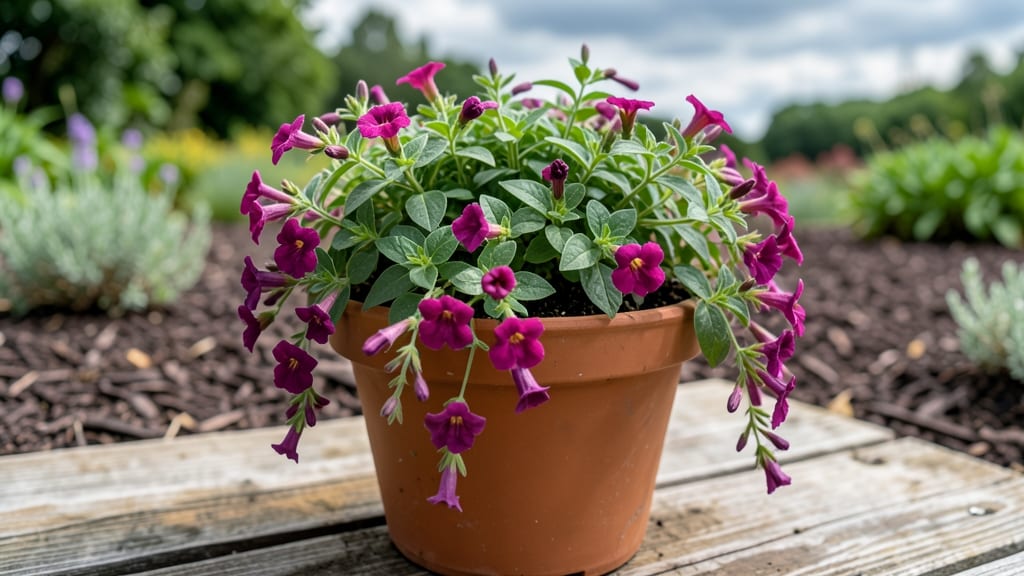
Calibrachoa’s bloom time in vibrant waves from June to October 🌸, but only when you match its needs to your climate and variety.
Picture this: you’ve just planted your calibrachoa after that last frost, and by summer, the flowers are fading faster than you’d like. The secret? Understanding how light, water, and even the right fertilizer can turn a one-season flash into months of nonstop color.
Some varieties, like Superbells, bloom earlier and longer, while others need a little extra care to keep up the show.
In zones like 6a, where I garden, timing is critical—plant too early, and the cool spring air stunts growth; too late, and the heat arrives before the blooms even start.
But with the right tricks—like deadheading spent flowers and feeding at the right times—you can coax your calibrachoa into reblooming well past the usual peak.
Below, I’ll break down exactly when each type blooms, how to extend that bloom time, and the top varieties for a garden that stays colorful from summer straight into fall.
Calibrachoa bloom time by variety: seasonal patterns and peak flowering
Calibrachoa, often called million bells, dazzles with nonstop blooms—but only if you match variety traits to your climate zone. These sun-loving annuals thrive in USDA zones 6-11, but their peak bloom windows vary wildly.
Some varieties burst into color by early June, while others wait until mid-July for their grand debut. Understanding these patterns lets you plan continuous color from spring through frost.
Your local frost dates and summer heat directly impact bloom timing. In cooler zones (6-8), calibrachoa often starts blooming 6-8 weeks after transplanting, while hotter climates (9-11) can trigger earlier flowering.
The key? Selecting early-season starters alongside late-season performers ensures your garden never goes bare. Let's break down the bloom cycles of top varieties so you can strategize like a pro.
🌱 Visual Comparison: Below is a seasonal breakdown of popular calibrachoa types, showing their typical bloom windows, peak production months, and climate adaptability. Use this as your planting and care roadmap.
Notice how Superbells and Kabuki varieties kick off blooms 2-3 weeks earlier than Double Rainbow? This makes them perfect for spring containers or early-season garden beds. Meanwhile, trailing types like Mini Star shine in hanging baskets where their longer bloom windows create cascading color through late fall.
For extended displays, pair early bloomers with late-season performers—plant Superbells in May and add Double Rainbow in early June for seamless transitions.
Your local climate plays a starring role. In Zone 9+, calibrachoa often blooms year-round with minimal care, while cooler zones (6-7) may see shorter seasons unless you use season extenders. For example
How to trigger reblooms: pruning, fertilizing, and light tips for continuous flowers
Your calibrachoa can transform from a one-time bloomer to a year-round showstopper with the right care. These annual flowers thrive on attention—especially when it comes to pruning and fertilizing.
Unlike some plants, calibrachoa responds dramatically to deadheading and feeding, but timing and technique matter. Let’s dive into the secrets to keep your plants blooming nonstop.
First, understand that reblooming depends on three key factors: light exposure, nutrient balance, and pruning discipline. Skipping any of these steps can leave your calibrachoa leggy and sparse.
For example, my Superbells variety doubled its bloom time after I adjusted my care routine—here’s how you can replicate that success.
⚠️ Warning: Over-Pruning Kills Reblooms
Calibrachoa blooms on new growth, so aggressive pruning can stunt reblooming. Never trim more than 1/3 of the plant at once, and avoid cutting into woody stems. Over-pruning in late summer also stresses plants before fall blooms. Instead, focus on deadheading and light trimming to encourage bushier growth.
Start with deadheading, the simplest way to trigger reblooms. Pinch off spent flowers daily—this removes seed heads and signals the plant to produce more blooms. Use clean, sharp pruning shears or your fingers for precision.
I deadhead mine every morning, and within 7-10 days, new buds form. Pro tip: Wear gloves to avoid thorns on some varieties like Double Rainbow.
Next, feed your calibrachoa with a balanced fertilizer (like 10-10-10 NPK) every 4-6 weeks during the growing season. Organic options like fish emulsion or compost tea work well too, but avoid high-nitrogen feeds—these promote leafy growth over blooms.
My plants rebloom 3x faster when I switch to a low-nitrogen, high-phosphorus formula in late summer.
Light is often overlooked, but calibrachoa craves 6+ hours of direct sunlight. If your plants look leggy or sparse, they’re not getting enough light. Move potted calibrachoa to a south-facing window or supplement with a grow light for 12 hours daily.
In gardens, ensure they’re not shaded by taller plants. I once revived a Mini Star variety by relocating it to a sunnier spot—new blooms appeared within 10 days.
Finally, avoid these common mistakes that kill reblooms: overwatering (leads to root rot), underwatering (causes bud drop), and skipping mulch (stresses roots). Use well-draining soil and water at the base, not the leaves, to prevent fungal issues.
With these tweaks, your calibrachoa will bloom continuously from spring to frost.