
Blooming
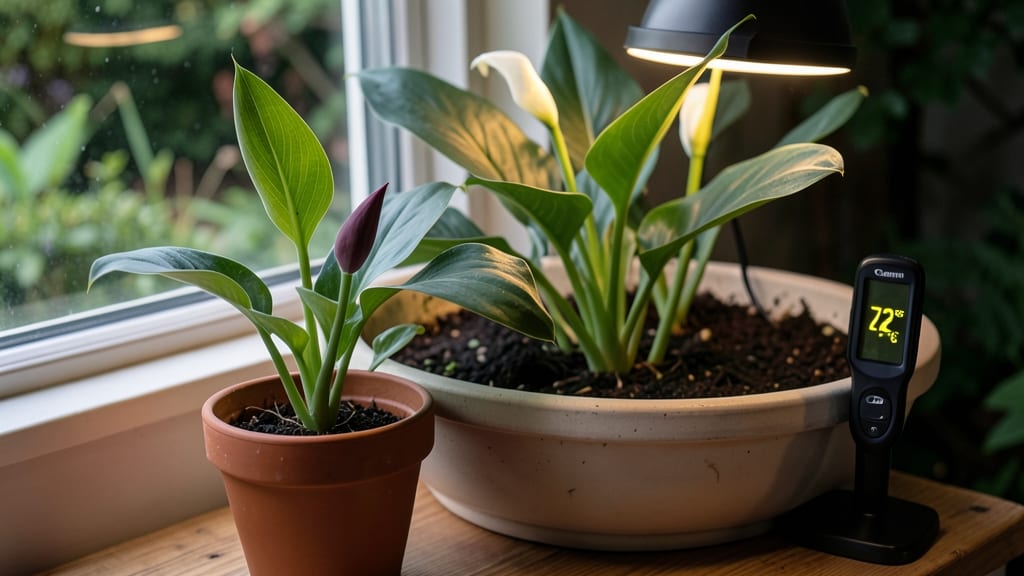
Calla lilies do not bloom all year; they flower primarily in spring and summer, entering dormancy during winter months. Their blooming cycles depend heavily on climate, sunlight exposure, and consistent care practices.
Calla lilies are tropical plants that naturally follow seasonal rhythms—think of them as having a built-in resting period when temperatures drop. 🌸 In warmer climates, they might bloom year-round, but in temperate zones, you'll typically see flowers from late spring through summer.
The key triggers are daylight hours (they need at least 6 hours of sun daily) and soil temperatures—below 50°F can signal dormancy. I've found that even in ideal conditions, most varieties take a winter break to recharge, so don't be surprised if your plant looks dormant during colder months.
What's interesting is how location affects this cycle. In Florida or California, calla lilies might push blooms into fall, while northern gardeners often see just one spring-to-summer flush.
The good news? With proper winter care—like moving potted plants indoors or providing mulch for ground varieties—you can sometimes coax a few late-season blooms before dormancy sets in.
💡 In This Article
- Seasonal Blooming Patterns of Calla Lilies
- Extending Calla Lily Bloom Time with Care Tips
Seasonal blooming patterns of calla lilies
Calla lilies are tropical perennials with a built-in biological clock that responds to seasonal changes. Their flowering cycle is primarily triggered by two key factors: daylight hours and temperature.
In their native habitats (South Africa and Zanzibar), they experience distinct wet and dry seasons, which translates to blooming periods when conditions are optimal. 🌿 For most varieties, this means flowering begins when daytime temperatures consistently stay above 60°F and daylight stretches beyond 12 hours—typically late spring through summer in temperate zones.
The science behind this involves photoperiodism, where plants detect changing light durations. Calla lilies need at least 6-8 hours of direct sunlight daily to produce flowers, but too much intense afternoon sun (especially in hot climates) can actually stress the plant and shorten the blooming window.
In tropical regions like Florida, where winters are mild, calla lilies may bloom year-round, but even there, they often take a brief rest during the hottest summer months when humidity drops below 50%.
The contrast between tropical and temperate climates is striking—while northern gardeners might see just one spring/summer flush, southern growers could enjoy blooms in both spring and fall.
Temperature plays a critical role in signaling dormancy. When nighttime temperatures dip below 50°F for extended periods, the plant's metabolic processes slow down, and it enters a semi-dormant state. This isn't true hibernation like bulbs, but more of a growth pause where the plant conserves energy.
Interestingly, some calla lily varieties (like Zantedeschia aethiopica) produce foliage year-round but only flower when days are long enough—this explains why you might see lush green leaves even during winter months when no blooms appear.
The plant is essentially waiting for the right environmental cues to "turn on" its flowering genes.
Another fascinating aspect is how humidity levels interact with these cycles. Calla lilies thrive in 60-80% humidity, and low humidity during blooming season can cause buds to dry out before opening. In arid climates, growers often use mulch or misting systems to maintain moisture levels around the plant.
The combination of proper humidity, adequate light, and stable temperatures creates the perfect recipe for extended blooming periods—sometimes up to 8-10 weeks in ideal conditions. This is why indoor calla lilies (grown under grow lights) often have more predictable blooming than outdoor plants exposed to unpredictable weather patterns.
What most people don't realize is that calla lilies actually prefer cooler nights during their blooming season—ideal nighttime temperatures are around 60-65°F. When nights get too warm (above 75°F), the plant may produce fewer blooms or flowers that open more slowly.
This is particularly important for gardeners in hot summer climates who might notice their calla lilies looking healthy but not flowering as expected. The plant is essentially saying, "It's too hot to reproduce right now—let's wait for better conditions."
This temperature sensitivity explains why many calla lilies bloom more prolifically in spring when nights are still cool but days are warming up.
For those curious about specific varieties, Zantedeschia elliottiana (the pink calla lily) tends to have the longest blooming season in temperate zones, often lasting from early summer through early fall, while Zantedeschia rehmannii (the orange calla) typically blooms in late summer when other varieties are winding down.
This diversity in blooming windows means you can strategically plant different varieties to create a near-continuous display from late spring through fall. The key is understanding each variety's specific requirements and matching them to your local climate patterns.