
Blooming
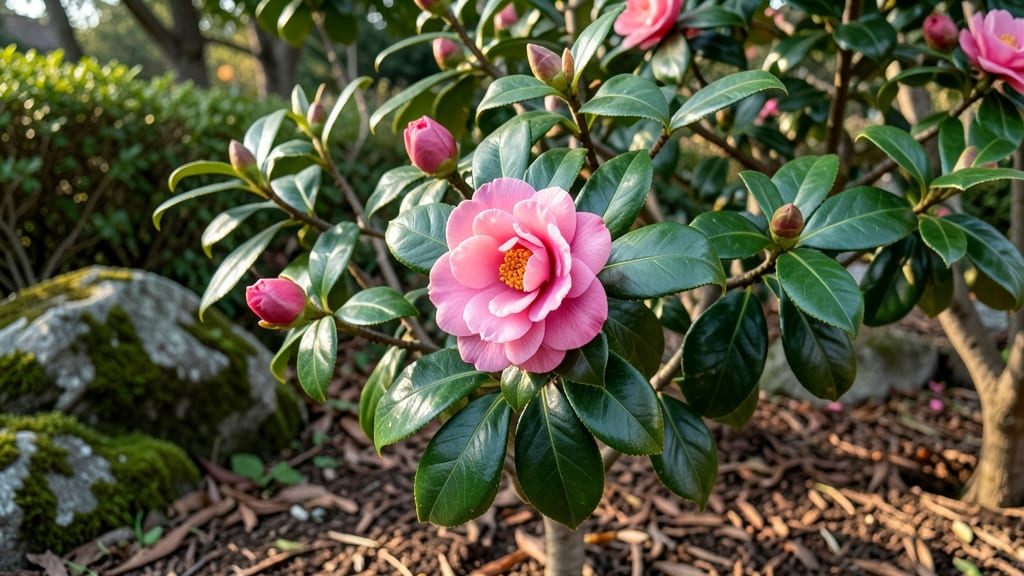
Camellia bloom time varies dramatically by variety and zone, but knowing the exact months can transform your garden from a quiet corner to a winter wonderland 🌸.
Picture this: your Camellia japonica bursts into bloom in February, while nearby Camellia sasanqua varieties put on their show as early as November. That’s the magic of timing—and the reason so many gardeners miss out on those stunning flowers.
In this guide, I’ll break down the precise bloom windows for your zone, from winter’s first blooms to late-spring surprises, plus the simple tricks to coax even more flowers from your shrubs.
Whether you’re in Zone 7 or Zone 10, you’ll learn how to align your care routine with nature’s schedule for longer, more abundant blooms every season.
Camellia bloom time by variety: month-by-month guide for winter, spring, and fall bloomers
Camellias are famous for their lush, long-lasting blooms, but their timing varies dramatically by variety. Some burst into color in late winter, while others shine in fall. Understanding these differences helps you plan for a year-round display of beauty in your garden.
Most camellias fall into three main categories: Camellia japonica (spring bloomers), Camellia sasanqua (fall/winter bloomers), and Camellia oleifera (less common but with unique timing). Your USDA hardiness zone also shifts bloom windows—warmer climates may see earlier flowers, while colder zones delay blooms until spring.
The comparison-table below breaks down exact bloom months for each variety, plus zone-specific adjustments to help you predict when your camellias will put on their best show.
Camellia japonica is the classic spring bloomer, with varieties like 'Nobulet' and 'Desire' opening their large, showy flowers from February to April. In warmer zones (9-10), you might spot early blooms as soon as January, while cooler zones (7-8) often delay flowers until late March or April.
If you love winter color, Camellia sasanqua is your plant. Varieties like 'Yuletide' and 'Bonanza' bloom from October through January, offering fragrant flowers that brighten holiday landscapes. In Zone 7, expect blooms to start later, around December, while Zone 10 gardeners enjoy October flowers.
Camellia oleifera, though primarily grown for its edible seeds, also produces small white flowers in late winter. Its bloom time is less predictable but typically aligns with Camellia japonica's early season. This variety thrives in Zones 7-10 and adds a subtle contrast to spring gardens.
For extended bloom seasons, mix varieties! Plant Camellia sasanqua for fall color and Camellia japonica for spring, creating a year-round floral display. Just remember: late frosts can damage buds, so protect tender varieties with burlap wraps or mulch in Zone 7.
Pro tip: Prune after blooming to encourage next year’s flowers. For spring bloomers, prune in late spring or summer, while fall bloomers should be pruned right after their winter display. This timing ensures you don’t cut off next season’s buds.
Now that you know the exact bloom windows for your camellias, you can plan your garden for seasonal highlights. Whether you’re chasing holiday cheer with Camellia sasanqua or dreaming of spring splashes with Camellia japonica, timing is everything! 🌸
How to extend Camellia bloom time: pruning, fertilizing, and winter care tips
Camellias are famous for their lush, long-lasting blooms—but did you know their bloom time can be extended with the right care? The key lies in pruning at the right time, using acid-loving fertilizers, and protecting them from winter stress.
With these camellia care strategies, you can enjoy vibrant flowers from late fall through early spring.
First, timing is everything. Prune camellias immediately after blooming (typically March–May for spring bloomers or November–January for fall bloomers). This encourages new growth that will develop into next year’s buds. Avoid heavy pruning in late summer—it can stunt bud formation for winter blooms.
🌸 5 Pro Tips to Extend Camellia Bloom Time
- Prune after blooming to promote new growth and bud formation.
- Use acid-based fertilizer (like Azalea/Camellia blend) in early spring and fall.
- Mulch heavily in winter to protect roots from frost and retain moisture.
- Avoid overwatering—camellias prefer consistent moisture, not soggy soil.
- Provide partial shade in hot climates to prevent leaf scorch and stress.
For longer bloom periods, feed your camellias with a balanced acid fertilizer (like 10-10-10 or 8-3-9) in early spring and again in early fall. This timing mirrors their natural growth cycle, ensuring they have the nutrients needed for bud development and vibrant blooms.
Skip summer fertilizing—it can stress the plant during dormancy.
Winter care is critical for frost-sensitive varieties like Camellia japonica. Apply a 3–4 inch layer of mulch around the base in late fall to insulate roots. For potted camellias, move them to a sheltered spot or wrap the pot in burlap or frost cloth.
Never let the soil freeze—this can kill the plant’s root system.
If your camellia is struggling to bloom, check for sunlight exposure. Most varieties thrive in morning sun and afternoon shade, especially in hot climates.
Too much direct sun can cause leaf burn, while too little light may reduce flowering. Adjust placement if you notice yellowing leaves or sparse blooms.
With these camellia care tips, your shrubs will reward you with longer, more abundant blooms year after year. Start with pruning after this season’s flowers fade, then feed and mulch—your winter garden will thank you! 🌿