
Flowers
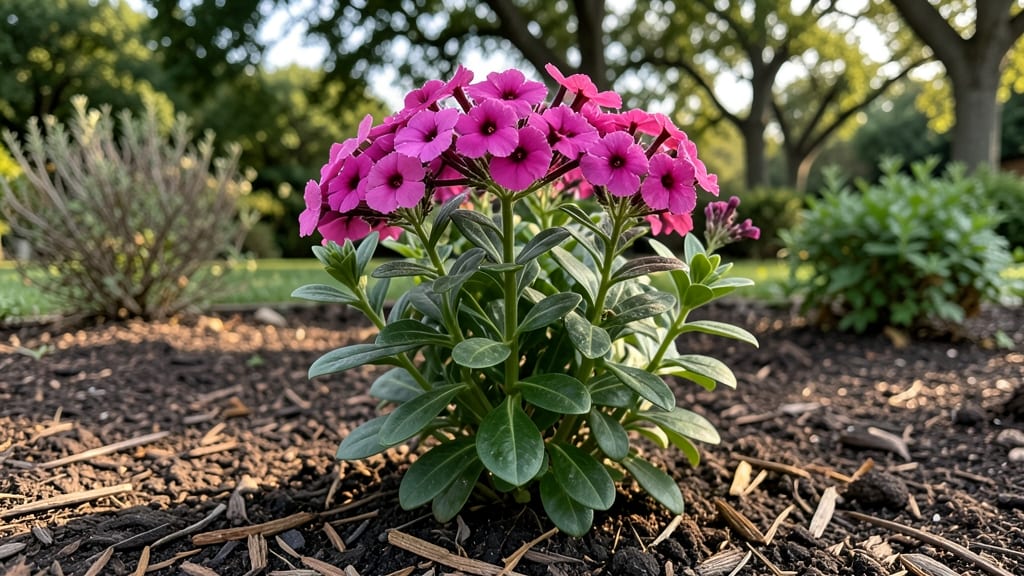
The common names for Catharanthus roseus are periwinkle or madagascar periwinkle, with periwinkle being the most widely used in gardening due to its distinctive purple blooms and compact growth.
This plant's name reflects both its appearance and origins. 🌸 The term "periwinkle" comes from its small, winking flower buds that resemble the shellfish, while "madagascar periwinkle" highlights its native habitat in Madagascar.
Gardeners often use "periwinkle" because it's simpler and more universally recognized, though both names appear in botanical literature. The plant's bright flowers and ability to thrive in various climates have made it a garden staple worldwide.
What makes this naming interesting is how regional preferences play a role. In the U.S., you'll hear "periwinkle" most often, while European gardeners might reference it as "madagascar periwinkle" to emphasize its exotic origins.
The plant's scientific name, Catharanthus roseus, actually translates to "busy flower" in Greek, reflecting its continuous blooming nature rather than its common names.
💡 In This Article
- Why Periwinkle Earned Its Common Names
- How to Identify Periwinkle in Gardens
Why periwinkle earned its common names
The name "periwinkle" comes from the plant's distinctive flower buds that resemble the shell of the periwinkle snail, with their tight, spiral shape. 🌸 These buds gradually unfurl into star-shaped flowers that range from pale pink to deep purple, creating a visual effect that gardeners often describe as "winking" or nodding in the breeze.
The scientific name, Catharanthus roseus, actually translates from Greek as "busy flower" (catharos = pure, anthos = flower), reflecting its continuous blooming habit rather than its appearance.
The term "madagascar periwinkle" directly references its native habitat in Madagascar, where it thrives in warm, tropical climates. This name became particularly important in the 1950s when scientists discovered its medicinal properties, specifically the alkaloids vincristine and vinblastine used in cancer treatment.
The plant's ability to produce these compounds earned it the nickname "cancer plant" in medical circles, though gardeners rarely use this term due to its clinical associations.
What's fascinating about these names is how they reflect both botanical and cultural influences.
The word "periwinkle" has been used since at least the 16th century in European herbals, while "madagascar periwinkle" gained prominence only after the plant was introduced to Western medicine in the 20th century. 🌍 In gardening circles, "periwinkle" became the preferred name because it's simpler and more visually descriptive, focusing on the plant's most striking feature - its flowers - rather than its geographic origin.
The naming conventions also reveal how plants acquire multiple common names based on different perspectives. For example, in some Asian countries where the plant is cultivated for its medicinal value, it's often called "rosy periwinkle" to emphasize its pinkish-purple flowers.
Meanwhile, in North America, gardeners typically use just "periwinkle" because it's immediately recognizable to anyone seeing the plant's characteristic growth habit - a low, spreading mound covered in flowers.
Interestingly, the plant's scientific name contains another clue about its naming history. The genus name "Catharanthus" was originally used for a different plant (Catharanthus ovalis) before being corrected to Catharanthus roseus.
This taxonomic correction in 1972 didn't affect the common names, which had already become firmly established in both gardening and medicinal literature. 📜 The persistence of these names demonstrates how practical characteristics (flower appearance) often trump scientific nomenclature in everyday language.
What most people don't realize is that the naming conventions extend to the plant's cultivars as well. For instance, the popular 'Little Bright Eye' cultivar maintains the "periwinkle" name despite its smaller size and different growth pattern.
This consistency in naming helps gardeners quickly identify the species, even when they're seeing it in different forms or locations. The dual naming system actually serves as a helpful reminder of the plant's dual nature - both a beautiful garden ornamental and a valuable medicinal resource.