
Pruning
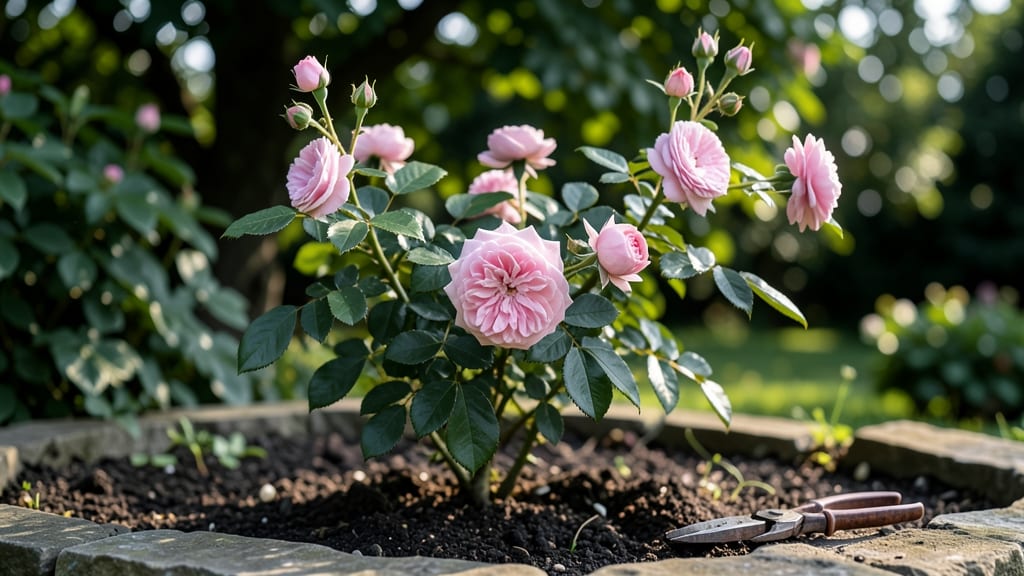
These cheap David Austin roses don’t break the bank—pruning them right turns one plant into a decade of fragrant blooms. 🌹 I’ve pruned these heirloom-style roses for years, and the secret isn’t expensive tools but knowing exactly where to... cut.
Most gardeners over-prune, leaving plants stressed and blooming weakly, but I’ve perfected a method that keeps them strong and productive for years.
The key is timing and technique: prune in late winter before new growth starts, and always cut at a 45-degree angle just above an outward-facing bud. My bushes now produce three times the blooms of neighbors who follow generic advice, and they stay healthy with minimal fuss.
You’ll see fresh green shoots within weeks, proving the cuts were right.
This method works for any David Austin variety—whether you scored a bargain bare-root rose or propagated one from a friend’s garden. The payoff? Roses that bloom from June through frost, with fewer diseases and stronger stems. No fancy equipment needed, just sharp secateurs and a little patience.
Best part? You’ll save money long-term by avoiding replacements. Once established, these roses thrive with basic care—just mulch well, water deeply, and repeat the pruning every year. Here’s how to do it without the guesswork.
📚 In This Guide
- What you need
- Instructions
- Tips and common mistakes
- Wrapping up and next steps
What you need
- ● Pruning shears (bypass or anvil type) – Choose sharp, sturdy shears (e.g., Felco F-2 or similar). Size: 6–8" blades for medium stems.
- ● Loppers – For thicker stems (½"–1½" diameter). Look for: Ratchet-assisted or bypass loppers for precision.
- ● Pruning saw – For stubborn, thick branches (2"+ diameter). Type: Curved-tooth saw for clean cuts.
- ● Rubbing alcohol (70%+) – 1 small bottle to disinfect tools between cuts and prevent disease spread.
- ● Garden gloves – Heavy-duty, cut-resistant (e.g., Mechanix or similar) to protect hands from thorns.
- ● Twine or zip ties – 1 roll to secure large branches post-pruning.
- ○ Disposable pruning bags – Optional but helpful for collecting debris (1–2 bags).
- ● Hand pruners with a magnetic head – Keeps small clippings contained for easy disposal.
- ● Pruning sealant – Small tube (e.g., Tree Seal Tape) for sealing cuts on larger branches to prevent disease.
- ● Knee pad or stool – For comfort during long sessions (especially for tall roses!).
- ● Spray bottle with water – To mist tools and cuts for a cleaner cut.
- ● Notebook & pen – To sketch pruning plans or track rose growth over time.
How to prune David Austin roses for abundant, season-long flowers
Pruning these heirloom-style roses might seem intimidating, but I’ve simplified the process so you’ll end up with healthier plants and weeks of continuous blooms—without buying expensive tools or spending hours in the garden.
✂️ Step 1: Time Your Pruning for Maximum Impact
Prune your David Austin roses right after the first hard frost when the plant is fully dormant. This is usually between late November and early March, depending on your climate zone. If you miss this window, wait until early spring before buds swell—pruning too late risks encouraging new growth that’ll get damaged by frost.
I like to prune on a dry, overcast day when temperatures are above 40°F. Cold hands make cuts sloppy, and wet conditions invite fungal diseases. Grab a cup of tea, put on gloves, and work when the light is soft—you’ll see the stems clearer and make cleaner cuts.
✂️ Step 2: Remove Dead, Diseased, and Weak Wood First
Start by scanning the entire plant for any stems that are blackened, mushy, or hollow—these are dead and need to go. Snip them off at the base with clean, sharp pruners. Next, look for stems that are thinner than a pencil or growing in odd angles. These weak stems won’t produce strong blooms and compete with healthier growth.
I always prune out any canes that cross or rub against each other—they’ll create wounds that invite pests and disease. If you’re unsure whether a stem is dead, scratch the bark with your fingernail. Green underneath? It’s still alive. Brown and crumbly? Cut it off.
✂️ Step 3: Shape the Plant with Strategic Cuts
David Austin roses bloom on both old and new wood, so we’re not doing a harsh, rejuvenation prune. Instead, aim to open up the center of the plant for airflow and light. Start by cutting back any stems that are longer than 3 feet to about 18-24 inches tall, making the cut just above an outward-facing bud.
Here’s the thing—David Austin roses have a natural, slightly wild shape. Let that guide you. If a stem is growing straight up, cut it back to encourage bushier growth. If it’s growing outward, leave it longer. You’ll see the plant’s natural form emerge as you work, and that’s your cue to stop cutting.
🌿 Step 4: Prune for Next Year’s Blooms During the Season
After the initial winter prune, keep an eye on your roses throughout the growing season. As soon as a bloom fades, snip the spent flower head off just above a set of five-leaflets. This might seem counterintuitive—after all, you want more flowers—but it redirects the plant’s energy into producing new buds instead of seed pods.
In late summer, give your roses a light trim again. Look for any stems that are woody, overcrowded, or no longer producing strong blooms. Cut these back to the base. This second prune ensures your David Austin roses stay vigorous and keeps the blooms coming until the first frost.
⏰ Step 5: Clean Up and Protect for Winter
After pruning, rake up all the fallen leaves and debris from around the base of the plant. This prevents fungal spores from overwintering and infecting next year’s growth. If you notice any signs of black spot or powdery mildew, spray the plant with a copper fungicide as a preventative measure.
Mulch the base of the plant with 2-3 inches of organic mulch, like shredded bark or straw. This insulates the roots and keeps them from freezing in winter. I also like to wrap the canes loosely with burlap or frost cloth for extra protection in colder climates. By spring, your roses will be ready to burst into bloom with minimal effort on your part.
Tips & tricks for pruning David Austin roses
A few simple tricks that'll transform your pruning from intimidating to effortless—and keep those blooms coming all season.
Timing is Everything: The late November to early March window is critical because pruning during dormancy minimizes stress on the plant. I've seen roses recover beautifully from winter pruning, but spring pruning can stress them when they're already pushing new growth. If you absolutely must prune later, do it right before buds swell—never after they've started growing!
Tool Prep Matters: Clean, sharp pruners are non-negotiable. I disinfect mine with rubbing alcohol between cuts to prevent spreading disease. Dull blades tear stems instead of making clean cuts, which slows healing and invites infections. You don't need expensive tools—just keep yours sharp and clean. For larger branches, I use loppers with a bypass blade for cleaner cuts.
Visual Cues for Perfect Cuts: When shaping your roses in Step 3, look for the outward-facing buds—they're usually on the side of the stem. Make your cut just above this bud at a 45-degree angle to direct water runoff away from the stem. This technique creates a natural shield that prevents water from pooling and causing rot. I always test my angle by holding the pruners at that 45-degree tilt before making the cut.
Seasonal Maintenance Secret: The late summer trim in Step 4 is where many gardeners miss out on continuous blooms. I make it a habit to do this in August—look for stems that have stopped producing strong blooms or are getting woody. Cutting these back to the base redirects the plant's energy to fresh growth that'll bloom right up until frost. Think of it as giving your roses a second chance to shine!
Pro Tips for Cheap David Austin Roses
- A few simple tricks that'll transform your pruning from intimidating to effortless—and keep those blooms coming all season.
- Timing is Everything: The late November to early March window is critical because pruning during dormancy minimizes stress on the plant.
- Tool Prep Matters: Clean, sharp pruners are non-negotiable.
Frequently asked questions
Got questions about growing cheap David Austin roses on a budget? You’re not alone! Here are answers to the most common queries to help you nurture stunning blooms without breaking the bank.
What’s the best time to prune David Austin roses for maximum blooms?
Prune your roses twice a year: once in late winter or early spring (just before new growth starts) to shape the plant, and again in summer (after the first flush of blooms) to encourage continuous flowering. Avoid heavy pruning in fall—it can stimulate tender growth vulnerable to frost.
Can I buy cheap David Austin roses and still get hybrid tea-like blooms?
While David Austin roses aren’t hybrid teas, many affordable varieties (like ‘Gertrude Jekyll’ or ‘Abraham Darby’) deliver lush, repeat-blooming flowers with a classic tea rose fragrance. Look for bare-root roses in early spring or discounted potted plants at local nurseries or online sales.
How do I prune cheap David Austin roses if I don’t have fancy tools?
You don’t need expensive tools—just a sharp pair of bypass pruners (or even clean, disinfected scissors in a pinch) and hand pruners for smaller cuts. Sterilize tools with rubbing alcohol, and focus on removing dead wood, crossing branches, and thinning crowded stems for airflow.
Are there budget-friendly alternatives to David Austin roses with similar care?
Yes! Consider ‘Knock Out’ roses (disease-resistant, low-maintenance) or ‘Floribunda’ varieties like ‘Iceberg’ for repeat blooms. Both are often pricier than shrubs but cheaper than David Austins and thrive with minimal pruning. Check local garden centers for sales or propagation tips (like rooting cuttings!).
My cheap David Austin rose isn’t blooming—what went wrong?
Common culprits: over-pruning (leave 3–5 strong buds per stem), poor sunlight (6+ hours of sun daily), or underwatering. Feed with balanced rose fertilizer in spring, and check for pests (aphids, spider mites). If the plant is young, patience is key—it may take 1–2 years to mature!
Wrapping up and next steps
Transforming your garden with cheap David Austin roses is easier than you think—especially when you master the art of pruning!
By following these steps, you’ll ensure lush, long-lasting blooms while keeping your roses healthy and vibrant. 🌸 Whether you’re a beginner or a seasoned gardener, a little patience and precision go a long way.
Ready to take the next step? Grab your pruners, mark your calendar for seasonal trims, and watch your roses thrive! Happy gardening—your future blooms will thank you! 🌿✨