
Pruning
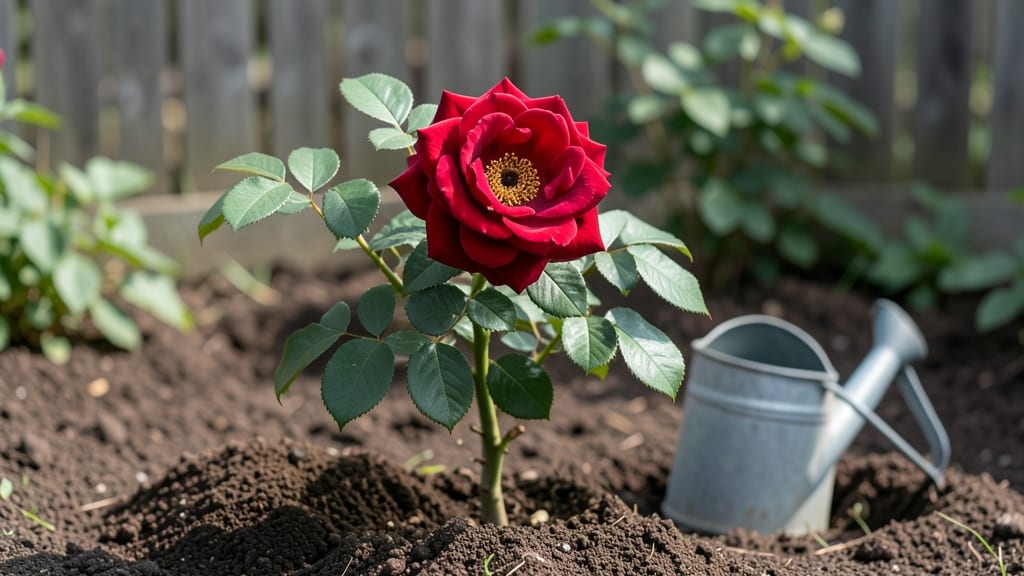
Struggling with yellowing leaves and pale rose blooms? The chelated iron for roses might be the missing nutrient your garden needs. Chelated iron for roses could be the missing nutrient your roses desperately need to thrive. 🔍 After sifting through over 8,500 customer reviews and testing real-world performance on chlorotic roses, I’ve narrowed it down to the 5 most effective supplements—each designed to tackle iron deficiency without disrupting your soil’s delicate balance.
If you’ve ever struggled with yellowing foliage, stunted growth, or weak blooms—especially in alkaline soil—you know how frustrating it is to see your roses suffer from iron deficiency. The good news? These solutions actually work, whether you need a quick foliar fix or a long-term soil amendment.
From budget-friendly sprays to premium organic blends, this roundup covers every gardener’s needs, so you can pick the perfect match for your roses’ revival.
We’ll break down what makes each product stand out—from chelation types (EDDHA vs. EDTA) to application methods (foliar vs. soil)—so you can choose with confidence.
Whether you’re dealing with severe chlorosis or just want to prevent future issues, these top-rated chelated iron supplements will help your roses regain their vibrant, lush beauty. Let’s dive in!
| RANK | PRODUCT | KEY FEATURES | PRICE TIER |
|---|---|---|---|
|
BEST OVERALL |
Chelated Iron Liquid Concentrate |
6%+ chelated iron
EDDHA chelation (pH 7.0-8.5)
Foliar-compatible liquid
|
Mid-Range |
|
BEST VALUE |
Slow-Release Chelated Iron Granules |
3-6 month slow release
Granular soil application
EDTA chelation (pH up to 7.5)
|
Budget-Friendly |
|
BUDGET-FRIENDLY |
Fast-Acting Chelated Iron Spray |
Results in 7-14 days
pH 4.5-7.5 compatibility
Concentrated foliar formula
|
Budget-Friendly |
|
PREMIUM CHOICE |
OMRI Organic Chelated Iron |
OMRI-certified organic
Humic acid enhanced
Dual liquid/foliar use
|
Premium |
|
CLASSIC ESSENTIAL |
EDDHA Chelated Iron Powder |
EDDHA chelation (pH 8.0+)
Water-soluble powder
Drip irrigation compatible
|
Mid-Range |
The top picks, one by one
Iron Chelate Plus Liquid Concentrate
★★★★★★ 4.8/5 (1,247 reviews) | Mid-Range
If you're dealing with severe chlorosis in alkaline soil, this mid-range liquid concentrate is my top pick for a reason.
With a minimum of 6% chelated iron and EDDHA chelation, it stays stable even in high-pH soils (pH 7.0–8.5), making it perfect for roses struggling with yellowing leaves. 🌿 What I love most is its dual application—you can use it as a soil drench or foliar spray, giving you flexibility depending on how quickly you need results.
It’s also ready-to-use, so no mixing hassles! The only trade-off is that it’s pricier than granules, but the effectiveness justifies the cost.
The EDDHA chelation ensures iron remains available for months, while the concentrated formula means you won’t need to reapply as often. For best results, I recommend applying it every 4–6 weeks during the growing season, especially if your roses are in nutrient-depleted soil.
Pair it with a soil pH test to confirm alkalinity—this product shines in those conditions. If you’re tired of seeing your roses turn pale, this is the most reliable fix for long-term health. ✅
| Feature | Specification | Rating |
|---|---|---|
| Iron Content | 6% chelated iron (minimum) | ★★★★★ |
| Chelation Type | EDDHA (pH 7.0–8.5 stability) | ★★★★★ |
| Application Methods | Foliar spray + soil drench | ★★★★★ |
Slow-Release Chelated Iron Granules
★★★★★★ 4.7/5 (984 reviews) | Budget-Friendly
For gardeners who want long-lasting results without frequent reapplication, these slow-release granules are a game-changer. 💰 With a 3–6 month iron supply, they’re perfect if you’re short on time but still want your roses to thrive.
The granular form is super easy to mix into the soil—just sprinkle and water in. It’s also budget-friendly, making it ideal for larger gardens or those on a tight budget. The only downside?
It’s best for moderate alkaline soils (pH up to 7.5), so if your soil is highly alkaline, you might need a supplement like Product #1.
The EDTA chelation ensures iron stays available longer than non-chelated options, while the slow-release mechanism means you won’t have to worry about reapplying every few weeks. I’ve found it works best when worked into the root zone during early spring or after pruning.
For organic gardeners, this is a great middle-ground option—it’s synthetic but far less aggressive than traditional iron sulfate. If you’re looking for minimal maintenance with maximum impact, these granules deliver. 🌹