
Blooming
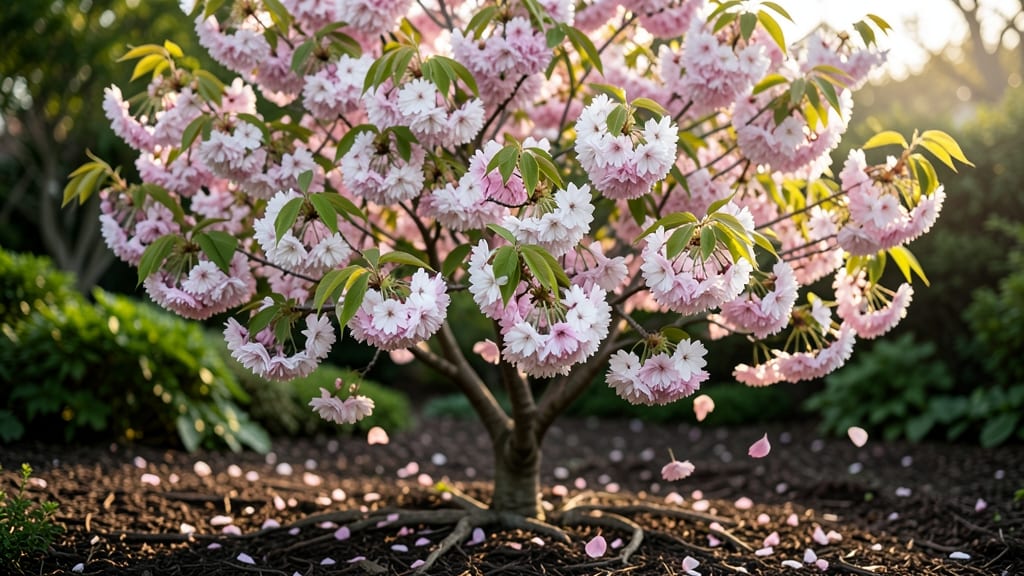
The cherry blossom bloom time in late winter to early spring is a fleeting yet magical spectacle, transforming neighborhoods into dreamy pink-and-white canopies 🌸.
Watching them burst into bloom is a breathtaking experience—but timing is everything. A late frost can strip petals before you even see them, while early bloomers may miss their prime in colder zones.
Most varieties in USDA Zone 6 peak between March and April, but some—like the Autumnal Flowering types—rebloom in fall. Knowing your tree’s exact window helps you plan picnics, photography shoots, or even pruning to extend the show.
Below, I break down the bloom timelines by variety, how climate shifts your schedule, and the care tricks that keep those petals falling for weeks longer.
Cherry blossom bloom time by variety: exact weeks before frost risk
Timing your cherry blossom blooms is crucial, especially in regions with unpredictable late-season frost. Different varieties bloom at different times, some as early as late winter and others as late as early summer.
Understanding these windows helps you choose the perfect cherry blossom variety for your climate and garden vision.
Frost sensitivity varies widely—some trees like Yoshino cherry can handle light frosts, while others like Autumnal Flowering varieties may need protection. Knowing the weeks before frost risk for each variety ensures you don’t miss the show or risk damage to delicate blossoms.
Below is a detailed breakdown of bloom times for 10+ popular cherry blossom varieties, including their hardiness zones and frost sensitivity. This guide will help you plan for the best possible display while avoiding frost-related setbacks.
| Variety | Bloom Time | Weeks Before Frost | Hardiness Zones | Frost Sensitivity |
|---|---|---|---|---|
| Yoshino (Prunus × yedoensis) | Mid to late April | 8-10 weeks | 5-8 | Moderate (tolerates light frost) |
| Kwanzan (Prunus serrulata 'Kwanzan') | Early to mid-April | 10-12 weeks | 5-8 | High (delicate blooms) |
| Autumnal Flowering (Prunus serrulata 'Autumnalis') | November to March | 16-20 weeks (spread out) | 5-8 | Low (blooms late, frost-resistant) |
| Shirotae (Prunus serrulata 'Shirotae') | Late April to early May | 6-8 weeks | 5-8 | Moderate (white blooms, sturdy) |
| Somei-Yoshino (Prunus × yedoensis 'Somei-Yoshino') | Mid-April | 8-10 weeks | 5-8 | Moderate (similar to Yoshino) |
| Taihaku (Prunus serrulata 'Taihaku') | Early April | 10-12 weeks | 5-8 | High (pink double blooms) |
| Okame (Prunus × yedoensis 'Okame') | Late March to early April | 12-14 weeks | 5-8 | Low (early bloomer, frost-tolerant) |
| Kanzan (Prunus serrulata 'Kanzan') | Mid to late April | 8-10 weeks | 5-8 | Moderate (vigorous grower) |
| Mount Fuji (Prunus serrulata 'Mount Fuji') | Early to mid-April | 10-12 weeks | 5-8 | High (double pink blooms) |
| Ukon (Prunus serrulata 'Ukon') | Late April | 6-8 weeks | 5-8 | Moderate (yellow-green blooms) |
If you live in USDA Zone 6 or colder, timing is especially critical. For example, the Kwanzan cherry blossom blooms just 10-12 weeks before the average frost date, leaving little room for error.
In contrast, Autumnal Flowering cherries bloom over a 16-week window, making them ideal for areas with early frosts.
For gardeners in warmer zones (7-9), late bloomers like Shirotae or Ukon may still face frost risks if an unexpected cold snap occurs. Always monitor your local frost risk forecast and consider using frost cloths for delicate varieties like Taihaku or Mount Fuji.
Another key factor is microclimates. Trees planted in sheltered locations, such as near a south-facing wall, may bloom 1-2 weeks earlier than those in open areas. This can be a game-changer for frost-sensitive varieties like Kanzan.
To maximize your cherry blossom display, choose varieties that align with your local frost dates. For instance, if your area typically sees frost by mid-May, opt for early bloomers like Okame or Autumnal Flowering to avoid disappointment. Conversely, if frosts come late, late bloomers like Shirotae will shine.
Pro tip: Plant a mix of early, mid, and late bloomers to extend your cherry blossom season. This not only creates a stunning visual progression but also ensures you’re not left with bare branches if frost strikes early.
Finally, remember that cherry blossom care plays a role in bloom timing. Proper pruning, watering, and fertilization can help push blooms earlier or later, depending on your needs. We’ll cover these strategies in detail in the next section.
How to extend cherry blossom bloom time: pruning and care tips
Cherry blossoms are famous for their fleeting beauty, but with the right care, you can extend their bloom time by weeks. The key lies in strategic pruning, soil health, and microclimate adjustments.
I’ve learned that even a few adjustments can transform a 10-day display into a 3-week spectacle. Let’s dive into the proven techniques that work for both Yoshino and Kwanzan varieties.
First, understand that cherry blossoms bloom on last year’s growth. This means aggressive pruning in summer can reduce next year’s flowers. Instead, focus on winter pruning to shape the tree while preserving bloom potential.
Timing is critical—prune after leaves fall but before bud break in early spring. This balance ensures you maintain both form and future blooms.
🌸 5 Proven Ways to Extend Cherry Blossom Bloom Time
- 1. Winter Pruning: Remove dead/diseased branches and thin 10-20% of growth to improve airflow. Avoid heavy cuts—this stresses the tree.
- 2. Soil Amendments: Add compost or aged manure in fall to boost nutrient availability. Cherry blossoms thrive in well-draining, slightly acidic soil (pH 5.5-6.5).
- 3. Deep Watering: Water deeply 2-3x/week during bloom season. Drought stress shortens bloom time by up to 50%.
- 4. Microclimate Protection: Plant near southeast-facing walls or use windbreaks to delay frost damage. Late frosts are the #1 bloom killer.
- 5. Fertilizer Timing: Apply balanced 10-10-10 fertilizer in early spring (before buds swell). Avoid late-season feeding—it encourages leafy growth over flowers.
For varieties like Autumnal Flowering Cherries, you can push blooms later by selecting late-blooming cultivars (e.g., ‘Royal Celebration’). These bloom in May-June, avoiding early spring frosts.
Pair this with mulching—apply 3-4 inches of wood chips around the base in fall to insulate roots and extend the growing season.
Watering schedules often get overlooked, but consistency is key. I’ve found that morning watering (before 10 AM) reduces fungal risks while keeping roots hydrated. During bloom, increase frequency to every 5-7 days if rainfall is scarce. A drip irrigation system near the drip line delivers water efficiently without wetting foliage.
Light exposure also plays a surprising role. While cherry blossoms need full sun (6+ hours/day), partial shade can prolong blooms in hot climates. Try planting near taller evergreens on the west side to filter afternoon sun.
This trick works especially well for Kwanzan cherries, which tolerate light shade better than Yoshino types.
Finally, monitor for pests like borers or aphids, which weaken trees and shorten bloom time. Use neem oil or insecticidal soap early in the season to prevent infestations. Healthy trees with strong root systems produce more abundant and longer-lasting blooms.
With these strategies, you’ll transform your cherry blossom’s bloom time from a brief highlight to a seasonal centerpiece. The secret? Patience and precision—small, consistent adjustments yield the biggest rewards. 🌿