
Blooming
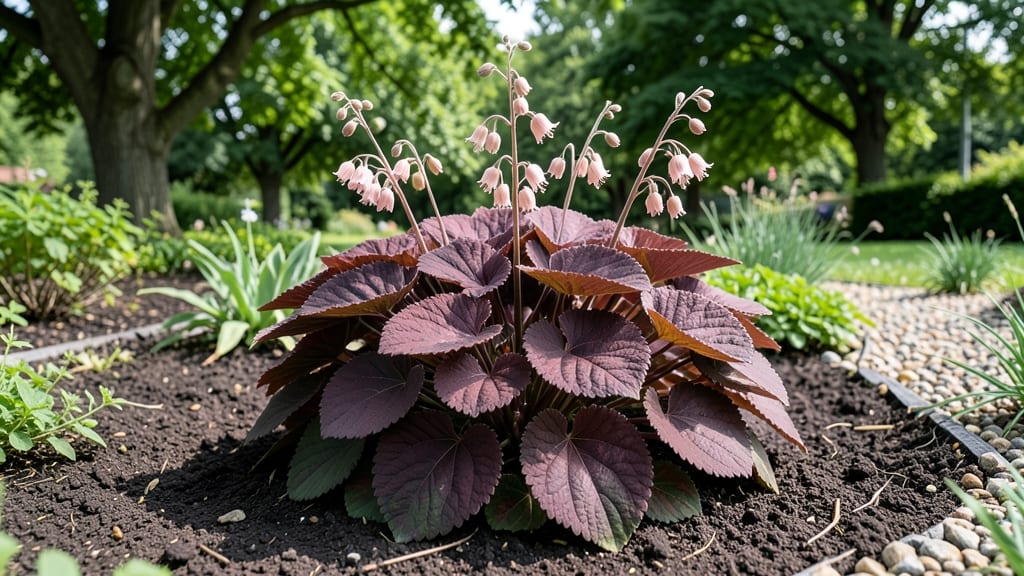
Coral bells bloom time surprises most gardeners—those delicate purple spikes arrive late, often in May or June, after the foliage has already stolen the show. 🌿 I’ve watched mine push through frost-kissed soil, proving they’re tougher than they look, especially in cooler climates where they bloom even later.
The wait pays off with clusters of tiny flowers that hum with pollinators, but timing depends on your zone and how well you’ve prepped the soil.
In zones 5-7, coral bells typically bloom 4-6 weeks after last frost, but in warmer zones 8-10, they might stretch blooms into early fall. The key is matching their needs: part shade to prevent leaf scorch, well-draining soil, and consistent moisture—especially in drought-prone areas.
Overwatering, though, can drown those delicate roots and delay blooms. I’ve found mine reward patience with reblooming in fall if deadheaded early.
What makes coral bells special is how they rebound after frost, often producing a second flush of blooms in late summer. The foliage stays vibrant year-round in mild climates, while in colder zones, it turns into a stunning winter interest plant.
To encourage blooms, feed lightly in early spring with a balanced fertilizer—too much nitrogen means lush leaves but few flowers. My purple ‘Palace Purple’ variety blooms reliably if I prune spent spikes in early summer.
For gardeners planning around their cycle, coral bells are the perfect late-season filler—they bridge the gap between spring bulbs and summer perennials. Pair them with ferns or hostas for a shade garden that stays dynamic all season.
The trade-off? Their blooms are fleeting but dramatic, worth the wait for anyone who loves a garden that surprises year after year.
📚 In This Guide
- What you need
- Instructions
- Tips and common mistakes
- Wrapping up and next steps
What you need
- ● Coral Bells Plants: 1–3 nursery-grown plants (perennial varieties like Heuchera 'Plum Pudding' or 'Berry Smoothie' for reliable blooms).
- ● OR seeds (if starting from scratch—germination can be finicky; opt for organic, cold-hardy varieties).
- ● Soil: 1–2 bags (50 lbs each) of well-draining potting mix or garden soil amended with compost (aim for a pH of 6.0–7.0 for optimal growth).
- ● Fertilizer: 1 bag of balanced, slow-release fertilizer (e.g., 10-10-10 or 20-20-20, 5–10 lbs per 100 sq ft).
- ○ Optional: A handful of bone meal (for phosphorus boost during bloom time).
- ● Mulch: 1–2 bags of organic mulch (e.g., shredded bark or straw, 2–3 inches thick) to retain moisture and protect roots.
- ● Garden Tools: 1 trowel or hand shovel (for transplanting).
- ● 1 pair of pruning shears (for deadheading or shaping).
- ● 1 watering can or hose with a gentle spray nozzle (to avoid disturbing soil).
- ● Location: Partial shade to full sun (3–6 hours of sunlight daily; morning sun + afternoon shade is ideal for most varieties).
- ● Protected spot from strong winds (to prevent stem damage).
- ○ Optional Extras: 1 garden fork (to loosen compacted soil).
- ● 1 pH testing kit (to monitor soil acidity).
- ● 1 plant support stake (for tall varieties like Heuchera 'Palace Purple').
- ● 🌡️ Timing matters: Plant in early spring or fall (6–8 weeks before the last frost) for best root establishment.
- ● ✨ Bloom trigger: Coral bells often rebloom after a light frost—embrace the chill for that second flush of purple!
- ● 🔥 Container gardening? Use pots with drainage holes and a minimum 12-inch depth for healthy roots.
How to time coral bells blooms for stunning purple spikes
Here’s how to coax those dramatic purple flower spikes year after year—even after frost.
🌱 Step 1: Choose the Right Coral Bells Variety
Coral bells (Heuchera) produce their best blooms on mature plants, so pick varieties known for prolific flowers like ‘Berry Smoothie’ or ‘Plum Pudding.’ These types thrive in USDA Zones 3-9, meaning they’ll bounce back after winter freezes. I always check the plant tag for height—taller varieties (18-24 inches) tend to have more dramatic flower spikes than shorter ones.
If you’re planting from seed, expect blooms in 2-3 years—patience pays off. For instant color, opt for nursery-grown plants with established roots. The key is selecting a variety that matches your climate’s frost patterns—some southern varieties may need winter protection in colder zones.
☀️ Step 2: Plant in Full Sun to Partial Shade
Coral bells need at least 4-6 hours of sunlight daily for strong stems and abundant blooms, but they’ll tolerate morning sun with afternoon shade in hotter climates. I plant mine where they get dappled light—this prevents leaf scorch while still encouraging flower production. The soil should drain well; coral bells hate soggy roots, which can rot stems before blooms even appear.
Dig a hole twice as wide as the root ball but only as deep. This encourages roots to spread outward, stabilizing the plant for those tall flower spikes. Amend heavy clay soil with compost to improve drainage—this is non-negotiable if you want repeat blooms after frost.
💧 Step 3: Water Deeply but Sparingly
Water once a week during the first growing season, letting the soil dry out 2-3 inches deep between waterings. Overwatering leads to weak stems that flop under flower spikes. I use a soaker hose to deliver moisture slowly at the base—this prevents fungal diseases that can kill blooms before they open.
Once established, coral bells are drought-tolerant, but consistent moisture during spring and early summer ensures robust growth. Reduce watering in fall to harden off the plants for winter. The goal is to keep leaves healthy so they can store energy for next year’s blooms.
✂️ Step 4: Prune After Blooming and Before Frost
After the purple flower spikes fade, trim them back to 2-3 inches above the ground—this encourages a fresh flush of foliage and prevents seed production, which drains the plant’s energy. I use clean, sharp pruners to avoid tearing leaves. Wear gloves if your variety has fuzzy stems (like ‘Palace Purple’), as they can irritate skin.
In fall, cut back any dead or damaged foliage but leave some leaves intact if your climate gets below 20°F. The remaining foliage acts as insulation, protecting the crown from frost damage. Mulch with 2-3 inches of shredded bark to regulate soil temperature—this is what keeps coral bells blooming reliably for decades.
⏰ Step 5: Time Fertilizer for Peak Blooms
Feed coral bells in early spring with a balanced 10-10-10 fertilizer (use half the recommended dose). This jumpstarts growth without encouraging too much leafy foliage at the expense of flowers. I skip summer fertilizing—too much nitrogen now means fewer flower spikes later. In fall, add a low-nitrogen, high-phosphorus fertilizer (like 5-10-10) to support root development over winter.
Watch for signs of over-fertilizing: dark green leaves with sparse flowers or leggy growth. If this happens, flush the soil with water to leach out excess salts. Coral bells are low-maintenance, but this one step makes all the difference for those showstopping purple spikes year after year.
Tips & tricks for perfect coral bells blooms
Here's what I learned after years of growing these showstoppers—tricks that'll keep your coral bells producing those stunning purple spikes season after season.
Variety Matters: The 2-3 year wait for blooms from seed is worth it—those mature plants develop stronger root systems that support taller, more dramatic flower spikes. I always choose varieties labeled for my USDA zone, especially if winters dip below 20°F. For instant color, nursery-grown plants with established roots are your best bet, as they'll bloom within the first season.
Light Balance: That 4-6 hours of sunlight is non-negotiable for strong stems, but too much direct afternoon sun in hot climates can scorch leaves. I've found the sweet spot is morning sun with afternoon shade—this gives you vibrant foliage AND those showstopping purple spikes. If your garden gets intense afternoon sun, consider planting near taller shrubs that provide natural shade.
Watering Wisdom: The once-a-week watering rule applies to the first growing season, but I've learned to adjust based on your soil type. Sandy soils dry out faster—check that 2-3 inch deep soil moisture with your finger. Overwatering is the #1 reason for weak stems that can't support those tall flower spikes. A soaker hose delivers moisture right at the roots where it's needed most, preventing fungal issues that can kill blooms before they even open.
Frost Protection: When temperatures drop below 20°F, that remaining foliage becomes your plant's winter blanket. I've seen coral bells survive winters with just their leaves intact—those leaves insulate the crown from frost damage. For extra protection in colder zones, add a 2-3 inch layer of shredded bark mulch. This simple step is what keeps my coral bells blooming reliably for decades.
Pro Tips for Coral Bells Bloom Time
- Here's what I learned after years of growing these showstoppers—tricks that'll keep your coral bells producing those ...
- Variety Matters: The 2-3 year wait for blooms from seed is worth it—those mature plants develop stronger root systems...
- Light Balance: That 4-6 hours of sunlight is non-negotiable for strong stems, but too much direct afternoon sun in ho...
Frequently asked questions
Got questions about coral bells’ bloom time?
You’re not alone! Here are answers to the most common queries—from timing tips to troubleshooting tricks—so you can keep your Heuchera thriving and blooming like a pro.
When do coral bells actually bloom?
Coral bells typically bloom in late spring to early summer (May–June in most U.S. zones), though timing varies by variety. Look for delicate, spike-like flowers on tall stems—often white, pink, or red. Pro tip: Deadhead spent blooms to encourage a second flush in fall!
Will coral bells bloom after frost?
Most coral bells are perennial hardy to zones 4–9 and rebound after frost. While they may drop leaves in winter, new growth (and sometimes blooms!) emerges in spring. Key trick: Mulch heavily in winter to protect roots and ensure a stronger comeback.
Why aren’t my coral bells blooming?
No blooms? Check these fixes:
- Too much shade: Coral bells need partial sun (4–6 hours/day) for best flowering.
- Over-fertilizing: Too much nitrogen = lush leaves, fewer blooms. Use a balanced 10-10-10 fertilizer instead.
- Age: Older plants may bloom less. Divide clumps every 3–4 years to rejuvenate growth.
Can I force coral bells to bloom earlier?
While you can’t guarantee earlier blooms, try these tweaks:
- Move pots to a sunnier spot in early spring.
- Apply a low-phosphorus fertilizer (like 5-10-10) in late winter to stimulate flowering.
- Avoid pruning until after blooming—cutting too early removes next year’s buds!
What’s a good alternative if I want more reliable blooms?
If coral bells’ sporadic blooming frustrates you, try these showy, easy-care perennials with consistent flowers:
- Heuchera ‘Palace Purple’ (same genus, but focus on foliage + occasional blooms).
- Astilbe (feathery plumes, thrives in shade, blooms June–August).
- Lungwort (Pulmonaria) (early spring blooms, deer-resistant).
Wrapping up and next steps
Coral bells (Heuchera) are a gardener’s dream—hardy, vibrant, and full of surprises! Their stunning purple spikes bloom in late spring to early summer, but their real magic lies in their resilience, often rebounding after frost.
Whether you’re a seasoned gardener or just starting, these plants offer low-maintenance beauty that thrives with minimal fuss.
Ready to add a splash of color to your garden? Start by choosing your favorite variety, prepping the soil, and giving them the right care. With a little patience, you’ll be rewarded with stunning blooms year after year! 🌸✨