
Flowers
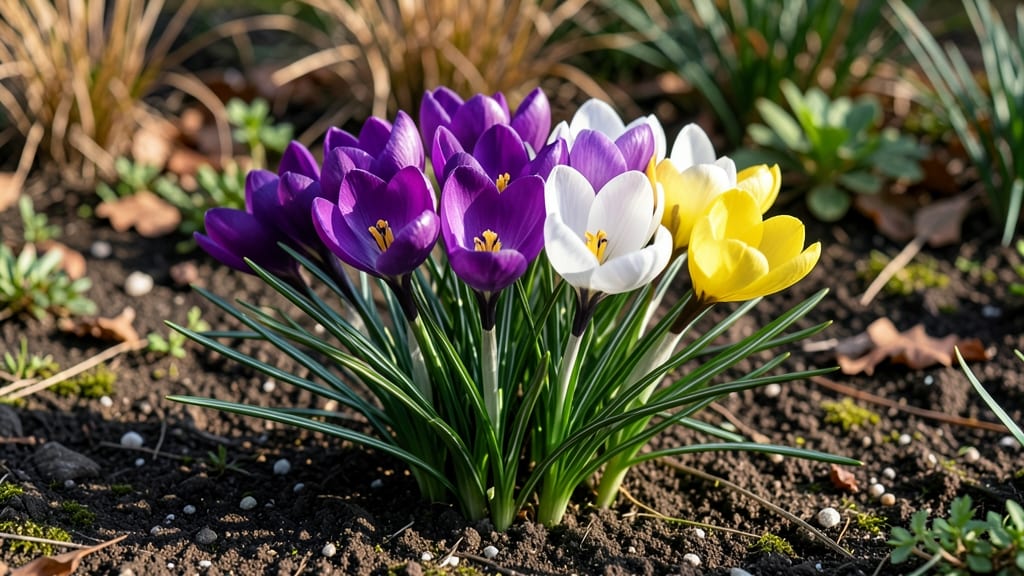
The crocus flower bloom time in late winter to early spring is nothing short of magical—these vibrant blooms often defy frost with their bright colors, sometimes even pushing through snow.
If you’ve ever wondered why they burst through frozen ground before snow melts, you’re not alone. These hardy perennials follow precise bloom triggers tied to daylight, temperature, and soil conditions. But the exact timing depends on your USDA hardiness zone, variety, and a few hidden secrets about their dark-blooming nature.
In Zone 6a, where many gardeners plant crocuses in fall, blooms typically arrive between March and April, though early varieties like Crocus vernus may appear as soon as February. Late bloomers like Crocus tommasinianus stretch into April, giving you a staggered show.
Discover how to maximize their bloom time with pro tips—from soil prep to companion planting—so your garden stays colorful longer.
When do Crocus flowers bloom? Exact months by USDA hardiness zone
Crocuses are nature’s earliest harbingers of spring, often popping up through snow or frozen ground to deliver vibrant color when little else is blooming. Their bloom times vary dramatically based on USDA hardiness zone, specific varieties, and even local microclimates.
In colder zones like 3-5, you might see February blooms, while warmer zones 7-9 often enjoy January or December flowers. The key lies in understanding how these bulbs respond to vernalization (cold requirements) and daylight length.
The earliest crocuses, like Crocus vernus (Dutch crocus), typically bloom in late February to early March in zones 4-6, while late varieties such as Crocus tommasinianus (tommasini crocus) often wait until March or even April.
In the South (zones 7-9), some varieties like Crocus chrysanthus can even bloom in December or January if temperatures permit. These differences create opportunities for gardeners to stagger blooms and extend their spring display.
| USDA Zone | Early Bloomers (Feb-Mar) | Mid-Season (Mar-Apr) | Late Bloomers (Apr-May) | Notes |
|---|---|---|---|---|
| Zones 3-4 | Crocus vernus (Feb 20-Mar 10) | Crocus chrysanthus (Mar 5-20) | Crocus tommasinianus (Mar 25-Apr 10) | Coldest zones; blooms delayed by late snow |
| Zones 5-6 | Crocus vernus (Feb 15-Mar 5) | Crocus speciosus (Mar 10-25) | Crocus cancellatus (Mar 30-Apr 15) | Moderate winters; consistent blooms |
| Zones 7-8 | Crocus chrysanthus (Jan 20-Feb 15) | Crocus flavus (Feb 20-Mar 10) | Crocus susianus (Mar 15-30) | Mild winters; some bloom in Dec |
| Zones 9-10 | Crocus tommasinianus (Dec 15-Jan 10) | Crocus biflorus (Jan 20-Feb 5) | Crocus minimus (Feb 10-25) | Warmest zones; earliest and latest blooms |
In USDA zone 3, where winters are harsh, crocuses often wait until late February or March to bloom, especially if snow covers the ground for extended periods. Varieties like Crocus vernus are reliable early bloomers, while Crocus tommasinianus tends to wait until late March or early April.
Gardeners in these zones can plant deeper (4-5 inches) to protect bulbs from extreme cold and encourage earlier blooms.
Zones 4-6 offer the most dramatic crocus displays, with blooms stretching from February through April. Here, Crocus chrysanthus often emerges in early March, followed by Crocus speciosus with its showy, spider-like flowers in mid-March.
A south-facing slope or rock garden can warm the soil slightly, coaxing earlier blooms in these transitional zones.
Southern gardeners in zones 7-9 enjoy the luxury of December or January blooms, thanks to milder winters. Crocus chrysanthus and Crocus flavus often appear as early as late January, while Crocus tommasinianus can bloom until April.
In these regions, fall-planted bulbs may even re-bloom in winter if temperatures stay above freezing. However, avoid heavy mulch in winter, as it can delay blooming.
Microclimates play a surprising role in crocus bloom timing. A south-facing wall or paved surface nearby can warm the soil by 10-15°F, triggering earlier blooms. Conversely, shady spots or low-lying areas may delay flowering by 2-3 weeks.
To maximize bloom time, plant crocuses in well-draining soil with full sun exposure, and avoid overwatering, which can rot bul
Dark-blooming Crocus triggers: what forces them to push through snow?
Crocuses are nature’s early spring messengers, often blooming weeks before snow melts or lawns green up. Their ability to push through frozen ground and even darkness isn’t magic—it’s science. Three key factors control their bloom timing: vernalization (cold exposure), photoperiod (daylight hours), and soil temperature thresholds.
Let’s break down how these forces work together to trigger those vibrant purple, white, or yellow blooms.
Most crocus varieties need 8–12 weeks of cold temperatures (between 32–50°F) to break dormancy—a process called vernalization. This cold requirement explains why they bloom earlier in colder climates (like zone 4) than in milder areas (like zone 7).
For example, Crocus chrysanthus in zone 5 often blooms in late February, while Crocus vernus in zone 6 waits until March.
- 🌡️ Vernalization: 8–12 weeks of 32–50°F cold forces bulbs to bloom. No cold = no flowers!
- ⏰ Photoperiod: 12+ hours of daylight triggers bloom. Early varieties respond to shortening winter days.
- 🌍 Soil Temperature: Roots need 40–50°F soil to activate. Warmer soil = earlier blooms (even under snow!).
- 🌿 Snow Cover: Acts as an insulator, keeping soil temps stable. Thick snow = delayed blooms in some varieties.
- ✂️ Garden Hack: Plant bulbs shallow (3–4") in well-draining soil to speed up root activation.
Photoperiod plays a surprising role in dark-blooming crocuses. Unlike sun-loving flowers, crocuses respond to increasing daylight, not heat. Once daylight stretches past 12 hours (typically in late February), their internal clocks flip from "dormant" to "bloom mode."
This is why you’ll see Crocus tommasinianus popping up in March—they’re waiting for that daylight cue, regardless of air temperature.
Soil temperature is the final piece of the puzzle. Crocus roots need soil to warm to 40–50°F before they’ll push buds through the ground. Here’s the twist: snow actually helps by insulating the soil. A thick snow blanket keeps temperatures stable, while thin or patchy snow can cause uneven blooming.
In zone 3, where winters are harsh, crocuses often bloom earlier because the snowpack insulates the soil longer.
Gardeners can manipulate these triggers to force earlier or later blooms. For earlier flowers, plant bulbs in fall (September–October) and mulch lightly to protect from extreme cold. For later blooms, delay planting until November or use black landscape fabric to absorb heat in spring.
Just remember: no cold = no blooms, so avoid planting in areas where soil stays too warm in winter.
Next time you spot crocuses peeking through snow, remember: they’re following a precise biological schedule tied to cold, light, and soil. By understanding these triggers, you can time their blooms to brighten your garden exactly when you want—whether that’s a winter surprise or a spring highlight. 🌷