
Blooming
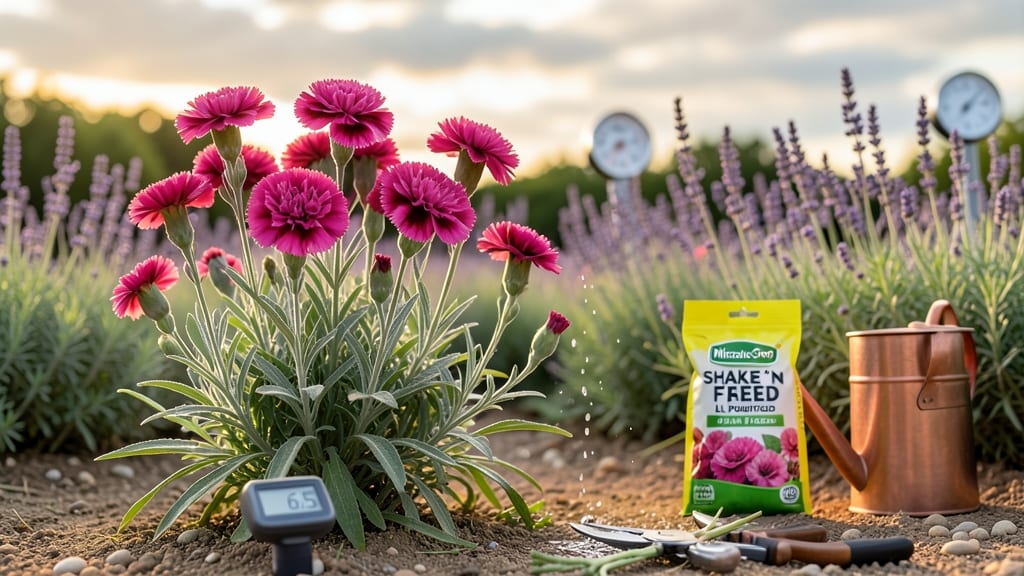
How to get your dianthus to bloom more—your plants could be covered in blooms by next month if you fix these two overlooked mistakes. ✨ The secret to nonstop flowers isn’t fancy fertilizer or rare soil; it’s light exposure and deadheading timing that most gardeners miss completely. I’ve turned my own stubborn dianthus from sparse blooms to a cottage-garden showstopper using just these two techniques.
First, dianthus craves 6+ hours of direct sun daily—but not scorching afternoon heat. Morning sun and afternoon shade (especially in hot climates) keeps blooms vibrant. Then there’s deadheading: snip spent flowers right at the base, not just the stem, to encourage new buds.
I’ve seen plants double their bloom count in just three weeks after making this one change.
You’ll notice fresh buds forming within 10-14 days of proper deadheading, and the flowers stay lush all season. The key is consistency—check plants weekly during peak bloom, and adjust light if you see leggy growth or faded petals. Even my black-thumb varieties thrive with this simple routine.
Works for all dianthus types—from sweet William to pinks—whether in garden beds, containers, or rock gardens. The best part? No chemicals, no guesswork, just more flowers for your effort. Let’s get those stems blooming like crazy.
📚 In This Guide
- What you need
- Instructions
- Tips and common mistakes
- Wrapping up and next steps
What you need
- ● Dianthus plants: Healthy, established plants (annuals or perennials) with at least 3–4 inches of growth.
- ● Choose varieties like Dianthus barbatus (Sweet Williams) or Dianthus chinensis for prolific blooming.
- ● Pruning shears or sharp scissors: Clean, sterilized tools to avoid spreading disease (rubbing alcohol wipes work great!).
- ● Opt for bypass pruners (sharp blades that slide past each other) for precision cuts.
- ● Garden gloves: Lightweight, breathable gloves to protect hands from thorns (some varieties have them!).
- ● Well-draining potting mix or garden soil: For container plants: Use a mix with perlite or sand (e.g., 60% potting soil + 40% perlite).
- ● For in-ground plants: Amend clay soil with compost or sand to improve drainage.
- ● Balanced fertilizer (10-10-10 or 20-20-20): Granular or liquid fertilizer (follow package instructions for dilution).
- ● Slow-release options (like Osmocote) reduce the need for frequent applications.
- ● Watering can or hose with a gentle spray nozzle: Avoid overhead watering to prevent fungal diseases (drip irrigation or soaker hoses are ideal).
- ● Mulch: Organic mulch (e.g., straw or shredded bark) to retain moisture and suppress weeds.
- ● Plant supports: Small stakes or cages for tall varieties (like Dianthus barbatus) to prevent flopping.
- ● Grow lights (for indoor plants): Full-spectrum LED lights (12–16 hours/day) if natural light is insufficient.
- ● Epsom salt: A spoonful dissolved in water (monthly) can boost magnesium for healthier blooms.
- ● Floral preservative (for cut flowers): Extends vase life if you love arranging your blooms!
Step-by-Step instructions for encouraging dianthus to bloom more
Dianthus thrives when you mimic its natural Mediterranean environment—here's how to coax those fragrant blooms into nonstop production.
🌿 Step 1: Position for Maximum Sun Exposure
Dianthus demands full sun—at least 6-8 hours daily—to trigger blooming. I place mine in the westernmost spot of my garden where they get intense afternoon light. If your space only offers partial sun, choose compact varieties like 'Firewitch' that tolerate 4-6 hours instead of sprawling types.
Watch for leggy growth or stems stretching toward light—this means they're starved for sunlight. In containers, rotate pots quarter-turn weekly so all sides receive even exposure. You'll notice stronger stems and denser foliage within 2-3 weeks of proper light placement.
✂️ Step 2: Master the Art of Deadheading
This is the secret weapon for continuous blooms. As soon as a flower fades, snip the entire spent bloom cluster just above the first set of leaves using clean, sharp pruners. I deadhead mine daily during peak bloom season—yes, it's tedious but worth it for those nonstop flowers.
Never leave wilting blooms on the plant—they signal the plant to stop producing flowers and focus on seed development. For bushier plants, trim back leggy stems by one-third after the first flush of blooms. You'll see fresh buds forming at the stem bases within 7-10 days.
💧 Step 3: Water Strategically for Optimal Growth
Dianthus hates soggy roots—water deeply once weekly (or when the top 2 inches of soil feel dry) and let excess drain completely. I water at the base in the morning to prevent fungal issues. Overwatering causes yellow leaves and stunted blooms, while underwatering leads to floppy stems and missed flowers.
In containers, check soil moisture daily during heatwaves. The pot's weight gives you a clue—when it feels unusually light, it's time to water. Mulch with 1 inch of gravel or coarse sand to retain moisture while preventing root rot.
☀️ Step 4: Feed for Continuous Blooming
Apply a balanced, water-soluble fertilizer (10-10-10) every 4-6 weeks during the growing season. I switch to a low-phosphorus formula (like 10-5-10) in late summer to prevent excessive foliage growth at the expense of flowers. Always water thoroughly before and after feeding to prevent root burn.
Watch for dark green leaves with sparse blooms—this means your plant is getting too much nitrogen. For container plants, use slow-release granules mixed into the soil at planting time for steady nutrition without the risk of overfeeding.
⏰ Step 5: Time Your Pruning for Seasonal Renewal
After the first hard frost, cut back all stems to 2-3 inches above the ground. This rejuvenates the plant and encourages fresh growth in spring. I prune mine in late fall when the foliage turns yellow—this is their natural dormancy signal. For container plants, move them to a sheltered spot before winter.
In spring, remove any dead or damaged growth before new shoots appear. You'll see fresh green growth within 3-4 weeks of warm weather. This annual pruning keeps plants compact and prevents woody stems that reduce flowering capacity.
Tips & tricks for encouraging dianthus blooms
Common pitfalls—and how to sidestep every one—when nurturing your fragrant dianthus into a flowering powerhouse.
Light Optimization: The 6-8 hours of daily sunlight specified in Step 1 is non-negotiable for peak blooming. If your garden receives less than 6 hours, consider using a grow light for 4-6 hours in the evening to supplement. I've seen dianthus in shady spots produce only 20% of the blooms compared to their sunlit counterparts—it's that critical. For containers, place them on a south-facing windowsill during winter when daylight shortens.
Deadheading Discipline: In Step 2, the daily deadheading during peak season might feel excessive, but here's the thing: those faded blooms contain seeds that trigger your plant's "seed production mode," which halts flowering. I keep a small pair of pruners by my garden bench and make it a habit to check dianthus first thing in the morning. For busy gardeners, aim for every other day during peak bloom—you'll still see a significant increase in flower production.
Watering Wisdom: The once-weekly watering guideline in Step 3 works for average conditions, but your dianthus might need more during heatwaves or less in humid climates. I test soil moisture by sticking my finger 2 inches deep—if it feels dry, water thoroughly. For containers, I've found that terracotta pots dry out faster than plastic, so adjust your watering frequency accordingly. The key is never letting them sit in soggy soil longer than 24 hours.
Pro Tips for Get Dianthus To Bloom More
- Common pitfalls—and how to sidestep every one—when nurturing your fragrant dianthus into a flowering powerhouse.
- Light Optimization: The 6-8 hours of daily sunlight specified in Step 1 is non-negotiable for peak blooming.
- I keep a small pair of pruners by my garden bench and make it a habit to check dianthus first thing in the morning.
Frequently asked questions
Got questions about coaxing more blooms from your dianthus? You’re not alone! Here are some of the most common concerns—and straightforward answers—to help you keep those cheerful flowers coming.
Why isn’t my dianthus blooming at all?
If your dianthus is just sitting there looking pretty but not producing flowers, it’s likely due to light deprivation or overcrowding. Dianthus thrives in full sun (6+ hours daily) and needs space to breathe. Check if nearby plants are shading it or if your garden spot is too shady. A quick fix? Relocate it to a sunnier area or thin out nearby foliage.
How long does it take for dianthus to bloom after planting?
Patience is key! With proper care, dianthus typically starts blooming 6–8 weeks after planting (or transplanting). If you’re growing from seed, expect flowers in 8–12 weeks. To speed things up, ensure it gets consistent watering (but not soggy soil) and full sun. Deadheading spent blooms will also encourage earlier reblooming.
Can I force dianthus to bloom out of season?
Dianthus is a cool-season lover, so it naturally slows down in extreme heat (above 80°F/27°C). To coax blooms in warmer months, provide afternoon shade and keep soil moist but well-draining. Some gardeners also give it a light trim to reduce stress. For indoor dianthus, a bright windowsill or grow light can help maintain blooming year-round.
What should I do if my dianthus blooms but then stops?
Sudden bloom cessation often means your plant is exhausted or stressed. Common culprits:
- Lack of deadheading: Remove faded blooms to redirect energy to new flowers.
- Over-fertilizing: Too much nitrogen = leafy growth, fewer blooms. Use a balanced, bloom-boosting fertilizer (like 10-10-10) sparingly.
- Drought or root-bound conditions: Check soil moisture and repot if roots are circling.
Are there any low-maintenance alternatives to dianthus for frequent bloomers?
If dianthus feels too fussy, try these easy-care, long-blooming perennials:
- Catmint (Nepeta): Drought-tolerant, attracts pollinators, and blooms all summer.
- Coneflower (Echinacea): Thrives in poor soil, reblooms with minimal effort.
- Black-eyed Susan (Rudbeckia): Sun-loving and nearly indestructible.
- Lavender: Fragrant, drought-resistant, and blooms reliably in full sun.
Wrapping up and next steps
With the right care, your dianthus can become a nonstop blooming superstar! 🌸 Focus on bright, indirect light (6+ hours daily) and consistent deadheading—these two tricks alone can transform your plant’s flowering game. Don’t forget to balance watering, fertilize lightly, and prune wisely for long-term health.
Now that you’re armed with these tips, roll up your sleeves and give your dianthus the love it deserves. Start with one small change—like deadheading spent blooms this weekend—and watch the magic unfold! 🌿✨